


Consumers today pay close attention to the quality and safety of the milk they buy. Many now choose organic or A2 milk, seeking products that match their health values and environmental concerns. Market research shows a steady rise in demand for organic milk and a surge in popularity for A2 milk, especially among those with digestive issues. The table below highlights how consumers rate the health benefits of different dairy products:
| Dairy Product Type | Perceived Health Benefits Level |
|---|---|
| Milk | Highest |
| Natural Fresh Cheeses | Highest |
| Natural Fermented Milk Beverages | Highest |
| Flavoured Fermented Milk Beverages | Recognized Health Benefits |
| Ripened Cheeses | Moderate |
| Butter and Butter-like Products | Moderate |
| Non-fermented Milk Beverages | Moderate |
| Sour Cream and Sweet Cream | Lowest |
| Milk Powder and Condensed Milk | Lowest |
Informed choices from consumers have already pushed the dairy industry to improve milk quality standards, especially in areas like infant formula safety and product transparency.
Key Takeaways
- Consumer awareness drives demand for high-quality milk, pushing producers to improve safety and transparency.
- Label literacy is crucial; understanding labels helps consumers make informed choices about milk products.
- Health and safety concerns influence purchasing decisions, with many consumers prioritizing organic and A2 milk for their perceived benefits.
- Producers are adapting to consumer preferences by focusing on animal welfare and sustainable practices, enhancing trust and quality.
- Ongoing education about milk quality and safety empowers consumers to support responsible dairy practices.
Consumer Awareness & Milk Quality Standards
Defining Consumer Awareness
Consumer awareness shapes the foundation of milk quality standards. People today show greater health consciousness, seeking products that align with their values and well-being. This awareness includes understanding the nutritional content, safety, and ethical aspects of milk. Key components of consumer awareness in this context include:
- Available protein, which supports nutrition, especially for those following vegetarian diets.
- Low somatic cell count, indicating healthy cows and high-quality milk.
- Zero antibiotics, which helps prevent allergic reactions and reduces the risk of antibiotic resistance.
- Low aflatoxins, ensuring protection from harmful fungal toxins.
Consumers now expect transparency and accountability from dairy producers. Their health consciousness drives demand for safer, more nutritious milk. As a result, milk quality standards continue to evolve, reflecting these expectations.
Label Literacy & Information
Label literacy plays a crucial role in how consumers select milk products. People with higher education levels tend to pay more attention to labels, using this information to guide their choices. Labels provide essential details about fat content, source, processing methods, and manufacturer information. These details help consumers assess the quality and safety of milk.
| Evidence Type | Description |
|---|---|
| Consumer Behavior | Higher education levels correlate with increased attention to dairy product labels, influencing purchasing behavior. |
| Label Importance | Mandatory food labels are crucial for consumers, directly linked to perceptions of food quality and safety. |
| Health Literacy | Consumers’ concern for dairy product labels increases with educational attainment, reflecting their health literacy levels. |
Government regulations require clear labeling to ensure that consumers can make informed decisions. Third-party certifications, such as HACCP, further assure people that milk products meet established safety and quality benchmarks. These certifications build trust and open access to new markets, reinforcing the importance of label literacy in upholding milk quality standards.
Health and Safety Concerns
Health and safety concerns remain at the forefront of consumer decision-making. People worry about saturated fat, which links to heart disease, type 2 diabetes, and Alzheimer’s disease. Lactose intolerance affects a significant portion of the global population, causing discomfort and digestive issues. Research also questions the benefits of dairy for bone health, with some studies suggesting that high milk consumption may lead to more fractures.
Other concerns include:
- The potential link between high-fat dairy and increased breast cancer risk.
- The association of dairy with acne and inflammatory skin conditions.
- The dangers of consuming raw milk, which can contain harmful germs.
The 2025 outbreak linked to Middlefield’s products prompted the FDA’s highest risk warning, despite no reported illnesses. Such events erode confidence, particularly in niche or artisanal products, where brand reputation is paramount.
A large majority of consumers perceive a medium to high level of food safety risk in liquid milk. Adulteration of milk not only poses health risks but also undermines trust in the dairy industry. Consumer advocacy groups play a vital role by promoting safe practices, implementing rigorous safety protocols, and advocating for transparency in labeling. These efforts help raise milk quality standards and restore consumer confidence.
Demand for Specialty Milk
Organic and A2 Milk Trends
Consumer preferences have shifted dramatically in recent years, with a2 milk and organic milk leading the way. Many consumers now seek a2 milk for its digestibility and potential health benefits, especially for infants and those with lactose intolerance. Organic milk also appeals to health-conscious buyers who want products free from synthetic chemicals. Recent trends show a marked increase in demand for both a2 milk and organic milk, driven by a desire for premium dairy options and sustainable production. The a2 milk market, in particular, has seen rapid growth due to its use in infant formula and its reputation as a nutrient-rich alternative.
- The A2 Organic Milk Market was valued at 2,180 million USD in 2024 and is projected to reach 5 billion USD by 2035.
- The compound annual growth rate for the A2 Organic Milk Market is expected to be around 7.8% from 2025 to 2035.
- Key factors include rising lactose intolerance, increased awareness of health benefits, and growing demand for organic food products.
These trends highlight how consumer preferences for a2 milk and organic milk continue to raise industry standards.
Environmental and Animal Welfare Factors
Environmental and animal welfare concerns now play a major role in shaping consumer preferences. Many buyers choose organic milk and a2 milk from farms that prioritize animal well-being and eco-friendly practices. Certifications for animal welfare influence purchasing decisions, especially among younger consumers. University students, for example, show a strong preference for milk products with animal welfare certifications.
| Consumer Segment | Percentage |
|---|---|
| Quality–Oriented | 20.55% |
| Emotionally Intuitive | 30.67% |
| Quality–Emotion Balanced | 48.77% |
- 75% of consumers value knowing that animals did not suffer.
- High importance is placed on pain management and reduced confinement.
These factors drive the popularity of organic milk and a2 milk, reflecting ethical consumer preferences.
Contaminant Awareness
Awareness of contaminants in milk has become a key factor in consumer preferences. Most consumers express concern for their health when milk recalls occur. Regular buyers of organic milk and a2 milk often cite safety as a top priority.
- 96% of participants worry about health risks from recalled milk.
- 68% purchase milk at least once a week.
- Price and brand matter, but quality and safety influence loyalty.
- Poor experiences with milk lead to switching stores and lower brand loyalty.
Quality remains essential for maintaining trust. As consumer preferences evolve, the demand for organic milk and a2 milk continues to shape the future of the dairy industry.
Industry Response to Milk Quality Standards
Producer Adaptation
Milk producers have changed their practices to meet higher quality standards. They focus on animal welfare, nutrition, and transparency. Many producers now use prolonged maternal feeding, which appeals to buyers who value natural rearing methods. This practice can increase costs, so some farmers seek compensation or price premiums. Agroforestry practices, such as grass-fed systems, have gained attention for their potential to support sustainability. However, acceptance of these methods varies by country. Producers also recognize that many consumers lack knowledge about alternative protein sources, which highlights the need for better education about food safety and traceability.
- Prolonged maternal feeding supports animal welfare.
- Agroforestry can promote grass-fed systems.
- Producers see a need for consumer education on food safety.
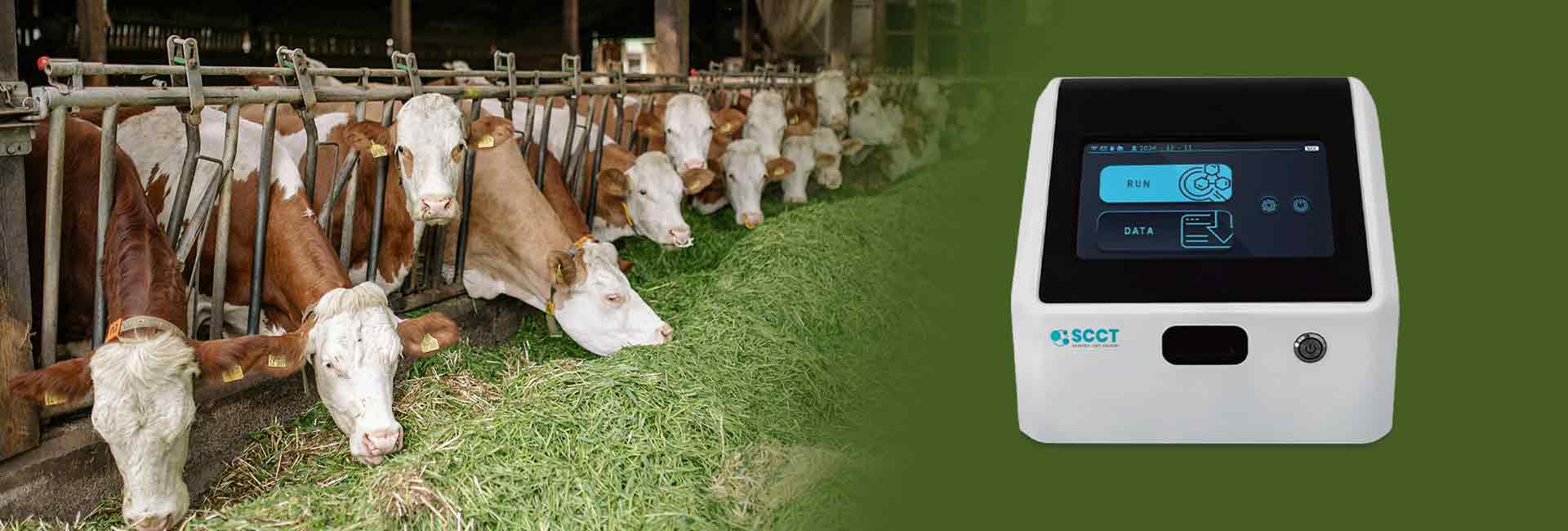
Somatic Cell Count Tester Adoption
Dairy farms have adopted new technologies to improve milk quality. The use of somatic cell count tester helps farmers monitor cow health and reduce the risk of contamination. Lower somatic cell counts indicate healthier cows and higher-quality milk. Producers also use automated milking systems and robotic technologies to enhance efficiency and animal welfare. Precision dairy farming allows real-time monitoring of milk quality, while advanced pasteurization techniques extend shelf life and ensure safety. Many brands now use sustainable packaging to meet environmental expectations.
- Somatic cell count tester improves milk safety.
- Automation and AI increase processing efficiency.
- Eco-friendly packaging addresses sustainability concerns.
Education and Marketing
Education and marketing play a key role in shaping how consumers view milk quality. Companies use clear communication to highlight product benefits and safety features. Social media gives consumers a platform to advocate for transparency and animal-friendly practices. Educational campaigns help bridge the gap between industry practices and public understanding. Marketers tailor messages to different groups, focusing on quality, physical product features, and the perception process.
| Key Findings | Implications for Marketing Strategies |
|---|---|
| Consumers use quality characteristics to make purchase decisions. | Opportunities to create successful marketing strategies based on food quality. |
| Three core areas influence quality perception: perception process, physical product, and communication. | Focus on these areas to enhance consumer understanding and trust. |
| Differences in perception of quality characteristics for various types of milk. | Tailor marketing activities to address specific consumer preferences. |
Challenges and Opportunities
Milk producers face several challenges as they respond to consumer-driven quality standards. Fluid milk consumption has declined, dropping from 158 pounds per person in 2000 to 128 pounds in 2023. Competition from non-dairy alternatives has increased, and buyers now demand more sustainable and high-quality options. These challenges create opportunities for innovation. Producers can develop lactose-free and fortified milk products, as well as premium options for health-conscious consumers. By adapting to these trends, the dairy industry can meet changing expectations and build trust with buyers.
- Declining fluid milk consumption presents a challenge.
- Non-dairy alternatives increase competition.
- Innovation in premium and specialty products offers new opportunities.
Future Trends in Milk Quality
Evolving Consumer Preferences
Consumers continue to shape the future of milk quality. Their choices reflect a growing interest in health, sustainability, and transparency. Many now seek a2 milk and organic milk for their perceived benefits. The demand for lower-fat, lactose-free, and cholesterol-free options is rising. People also want products that support local farmers and reduce environmental impact. A2 milk and organic milk have become symbols of this shift, with buyers associating them with naturalness and wellness.
- Health-conscious buyers drive demand for a2 milk and organic milk.
- Sustainability-focused individuals prefer products with lower carbon footprints.
- Many prioritize naturalness, with 29% of U.S. buyers choosing dairy milk for this reason.
- In the U.K., 63% value milk being as natural as possible.
A2 milk and organic milk now represent the intersection of health, ethics, and environmental responsibility.
| Trend | Description |
|---|---|
| Considered Consumption | Focus on nutrient-dense, purposeful products like a2 milk and organic milk. |
| Wholistic Health | Interest in personal and environmental well-being. |
| Joyful Harmony | Enjoyment of milk rooted in sustainable practices. |
| Regenerative Resilience | Preference for brands with sustainable methods. |
| Human + AI Collaboration | Technology personalizes a2 milk and organic milk choices. |
Advances in Quality Testing
SCC testing has advanced rapidly. New sensor technologies allow real-time analysis on farms. These tools help farmers monitor a2 milk and organic milk for safety and quality. Spectrometry and chromatography provide accurate, multi-contaminant screening with quick results. Portable devices make testing easy and cost-effective, even in tough farm conditions.
- Rapid, automated testing solutions are in high demand.
- Real-time monitoring improves herd management and animal welfare.
- The industry now focuses on efficiency and transparency.
Recent innovations ensure that a2 milk and organic milk meet the highest safety standards. These advances support the growing expectations of buyers.
Ongoing Impact of Awareness
Awareness continues to elevate milk quality standards. Many people read labels before buying a2 milk or organic milk. Familiarity with processing terms changes how they view products. In some countries, education level strongly affects trust in milk safety. For example, Italy shows high consumer awareness and trust, while Pakistan has lower awareness.
| Finding | Percentage |
|---|---|
| Respondents who read labels before purchasing dairy | 33% |
| Familiarity with microfiltered milk | 24% |
| Change in understanding after reading definitions | 97% |
Note: Ongoing education and clear labeling help buyers make informed choices about a2 milk and organic milk.
A2 milk and organic milk will likely remain at the forefront as awareness grows. Producers who adapt to these trends will lead the market.
Conclusion

Consumer awareness continues to elevate milk quality standards by driving demand for safer, more sustainable products. Both consumers and producers benefit from this shift:
- Local foods gain popularity for their quality, sustainability, and safety.
- Producers see increased profitability and trust through transparent practices.
Bettermilk’s approach shows how detailed information and strict quality control help consumers make informed choices. The future looks promising, with projections showing milk fat and skim solids production doubling by 2050. Staying informed empowers consumers to support responsible dairy practices.
FAQ
What Factors Influence Milk Quality Standards?
Milk quality standards depend on several factors. These include animal health, farm hygiene, processing methods, and government regulations. Consumer demand for transparency and safety also shapes these standards.
How Can Consumers Identify High-Quality Milk?
Consumers can check labels for certifications like organic or A2. They should look for information about fat content, processing methods, and expiration dates. Trusted brands often display third-party safety certifications.
Why Do People Prefer A2 or Organic Milk?
Many people choose A2 or organic milk for health reasons. A2 milk may cause fewer digestive issues. Organic milk comes from cows raised without synthetic chemicals. These options appeal to buyers who value natural and ethical products.
What Role Does Label Literacy Play in Milk Purchases?
Label literacy helps consumers make informed choices. People who understand labels can compare products, check for allergens, and verify safety certifications. This knowledge supports healthier and safer purchasing decisions.
How Has Technology Improved Milk Quality?
New technologies, such as somatic cell count testers and automated milking systems, help farmers monitor milk quality. These tools detect contamination early and ensure safer products reach consumers.