



High-yielding cows often experience somatic cell count due to increased disease risk, immune system challenges, and ongoing stress. These factors make them more prone to high somatic cell counts, which can affect both milk quality and high productivity. Research shows that high somatic cell count leads to significant changes in milk and impacts dairy operations.
| Impact of High SCC on Milk Quality and Herd Productivity | Description |
|---|---|
| Lower Milk Production | High SCC is associated with decreased milk yield per cow. |
| Increased Treatment Costs | Higher SCC leads to more cases of mastitis, increasing veterinary expenses. |
| Loss of Market Access | Milk with high SCC may not meet processor standards, risking market loss. |
| Changes in Milk Composition | High SCC alters milk components, affecting quality and shelf life. |
| Negative Sensory Attributes | Flavor and taste can be adversely affected, impacting consumer perception. |
| Economic Viability | Maintaining low SCC is crucial for profitability in dairy operations. |
Key Takeaways
- High-yielding cows are more prone to elevated somatic cell counts due to stress and immune challenges, impacting milk quality and productivity.
- Regular monitoring of somatic cell count is essential for early detection of mastitis and maintaining herd health.
- Implementing good management practices, such as proper milking hygiene and stress reduction, can significantly lower somatic cell counts.
- Nutrition plays a crucial role; providing balanced diets with essential vitamins and minerals supports cow immunity and reduces SCC.
- Maintaining low somatic cell counts is vital for economic viability, as high SCC can lead to decreased milk yield and increased treatment costs.
SCC Risk in High-Yielding Cows
What Is Somatic Cell Count?
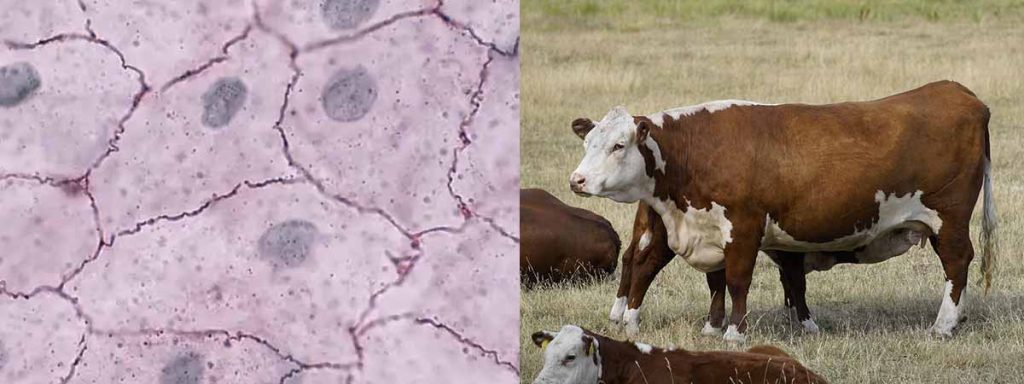
Somatic cell count measures the number of somatic cells in milk. These cells come from the cow’s immune system and the lining of the udder. Farmers and veterinarians use somatic cell count to check milk quality and udder health. A healthy udder usually has less than 200,000 cells per milliliter. When the count rises above this level, it often signals infections such as mastitis. High somatic cell count can increase bacterial contamination in milk. This change affects milk composition and can lower the quality of dairy products. Somatic cell count also impacts the economic success of a dairy herd.
- Somatic cell count (SCC) is a measure of somatic cells in milk, primarily indicating milk quality and udder health.
- Normal SCC levels for a healthy udder are typically less than 200,000 cells/ml, while elevated levels suggest potential infections like mastitis.
- High SCC levels can lead to increased bacterial contamination and affect milk composition, impacting dairy processing and economic viability.
Why High Yield Increases SCC Risk?
High-yielding cows face unique challenges that raise the risk of somatic cell count. As cows produce more milk, their bodies experience more stress. This stress can weaken their immune response and make them more likely to develop infections. Over time, the increase in somatic cell count reflects a decline in cow health, especially when mastitis becomes a problem.
Researchers have found that the genetic link between milk yield and somatic cell count is positive. High-producing cows often show higher somatic cell count, which connects to mastitis risk. The daily milk yield puts pressure on the udder, making it easier for infections to take hold.
The following table shows how parity level affects somatic cell count, immune response, and infection risk in cows:
| Parity Level | Mean SCC (cells/ml) | Immune Response | Susceptibility to Infections |
|---|---|---|---|
| First | 44.7×10^3 | Higher immunity | Lower susceptibility |
| Second | 50.9×10^3 | Moderate immunity | Moderate susceptibility |
| Third | 53.0×10^3 | Lower immunity | Higher susceptibility |
| > Fourth | Increased | Significantly lower immunity | Higher susceptibility |
Older cows and those with higher milk production often have lower immunity and higher somatic cell count. This pattern increases the risk of chronic mastitis and other infections. High-yielding dairy cows need careful management to protect herd productivity and milk quality.
Role of Somatic Cell Count Tester
Regular monitoring of somatic cell count helps farmers detect problems early. A somatic cell count tester provides quick and reliable results. These devices can measure SCC in just one minute, making them practical for daily use. Studies show that somatic cell count testers have a high correlation with laboratory methods. For example, the SCC tester shows a correlation coefficient of 0.917, with high sensitivity and specificity. Other testers, such as the Mastest, also provide accurate results, with agreement rates up to 100%.
Tip: Regular monitoring with a somatic cell count tester allows farmers to spot elevated SCC levels before they affect herd productivity or milk quality.
By using a somatic cell count tester, dairy farmers can track changes in SCC and respond quickly to signs of mastitis or other health issues. This approach supports better herd management, improves milk quality, and protects the economic value of the dairy operation.
Factors Affecting SCC and Milk Quality
Disease and Immune Response
Disease plays a major role in raising somatic cell count in cows. Mastitis stands out as the most common disease that increases scc in high-yielding cows. When cows develop mastitis, the immune system sends more somatic cells to the udder. This response causes a spike in somatic cell count and signals a problem with udder health. Other diseases, such as retained placenta, metritis, ketosis, and lameness, also link to higher somatic cell count and lower milk production. The table below shows how these diseases affect scc and productivity:
| Disease | Association with SCC | Impact on Milk Production |
|---|---|---|
| Mastitis | High SCC indicates infection | Decreased yield and quality |
| Retained Placenta | Higher incidence with high SCC | Negative impact on health |
| Metritis | Linked to high SCC | Affects overall milk production |
| Ketosis | Increased risk with high SCC | Reduces milk yield |
| Lameness | Associated with high SCC | Impacts cow mobility and production |
An increase in somatic cell count often means the immune system is fighting infections. Somatic cell count acts as a key indicator of milk quality in dairy cows. When the immune system activates, somatic cell count rises, especially during mastitis. Chronic mastitis can lead to persistently elevated SCC levels and lower herd productivity.
Stress and Environmental Impact
Stress affects cows and can cause a rise in somatic cell count. Heat stress, poor microclimatic conditions, and high cow age all contribute to higher SCC. Later lactation stages and summer seasons show a significant increase in somatic cell count. Loose-housing systems help lower SCC compared to other husbandry practices. The table below highlights environmental stressors and their correlation with scc:
| Environmental Stressor | Correlation with SCC |
|---|---|
| Cow Age | Higher SCC with increased age |
| Lactation Stage | Significant increase in SCC during later lactations |
| Production Season | Higher SCC in summer |
| Husbandry Practices | Loose-housing systems lower SCC |
| Microclimatic Conditions | Heat stress increases SCC |
| Type of Milking System | Impacts SCC levels |
Stress not only raises somatic cell count but also reduces daily milk yield and herd productivity.
Management and Milking Practices
Good management and proper milking routines help control somatic cell count and improve milk quality. Regular monitoring and hygiene practices lower scc and support herd productivity. The table below shows how different management practices affect scc and milk quality:
| Management Practice | Impact on SCC | Impact on Milk Quality |
|---|---|---|
| Dry cow treatment | Lower SCC | Higher quality |
| Milking technique | Lower SCC | Higher quality |
| Postmilking teat disinfection | Lower SCC | Higher quality |
| Antibiotic treatment of mastitis | Lower SCC | Higher quality |
| Hygiene practices | Lower SCC | Higher quality |
| Mineral supplementation | Lower SCC | Higher quality |
Milking routines that reduce SCC include providing a low-stress environment, cleaning teats, pre-dipping, forestripping, and post-dipping. These steps protect cows from infections and help maintain high herd productivity and milk quality. Differential somatic cell count and regular monitoring remain essential for every dairy herd aiming for top productivity.
Impact on Productivity and Farm Economics
Effects on Milk Yield and Quality
Elevated somatic cell count directly affects milk production in dairy cows. Researchers found that higher SCC leads to a noticeable drop in daily milk yield. Cows with increased somatic cell count produce less milk compared to those with lower counts. This reduction in milk output impacts herd productivity and overall dairy operations. The negative relationship between SCC and milk production means that regular monitoring remains essential for maintaining herd productivity.
Somatic cell count also influences milk quality and cheese yield. Studies show that milk with high SCC disrupts the coagulation process, resulting in lower cheese yield and poorer flavor. Cheese made from milk with elevated somatic cell count often has reduced fat recovery and undesirable textures. These changes in quality affect the final product and can lead to lower consumer satisfaction.
Reproductive and Health Consequences
High somatic cell count causes several reproductive issues in dairy cows. Cows with elevated SCC experience longer days to first service and a lower risk of conception. The risk of pregnancy loss increases, especially after mastitis events. Weaker reproductive performance occurs because cows prioritize nutrient use for fighting infections rather than reproduction. Chronic mastitis and high SCC also contribute to udder health problems, leading to more frequent culling and shorter productive lifespans in the dairy herd.
Note: Mastitis remains a major factor in reducing herd longevity and overall productivity.
Economic Losses from High SCC
Economic losses from high somatic cell count can be substantial for dairy farms. The largest losses occur when SCC stays above 100,000 cells/mL for extended periods. Farms may lose an average of $533, while cooperatives can see losses exceeding $110,000. Daily losses per cow range from $1.20 in the first month to $2.06 in the tenth month. These losses increase over time and directly impact farm profitability.
| Metric | Value (USD) |
|---|---|
| Average loss per farm | 533 |
| Total loss for cooperatives | 110,962 |
High SCC also affects milk pricing. Herds with lower bulk tank SCC earn higher net income per cow. The best-third herds with SCC at 134,000 cells/mL gain $159 more per cow compared to herds with higher counts. Withdrawing milk with high SCC is not profitable, as the price increase does not offset the loss in milk production and herd productivity.
Managing and Reducing SCC in High-Yielding Cows
Monitoring with Somatic Cell Count Tester
Regular monitoring of somatic cell count helps maintain herd productivity and early detection of mastitis. Farmers should use a somatic cell count tester to check both bulk tank and individual cow samples. They can follow these steps for effective monitoring:
- Assess bulk tank somatic cell count and review individual cow reports to identify cows with high SCC.
- Culture milk samples from the herd on multiple test days to determine infection types.
- Separate infected cows and milk them last to prevent spreading mastitis.
- Maintain clean equipment and ensure proper teat cleaning during milking.
Monthly testing of somatic cell count provides valuable information about herd health and the effectiveness of mastitis control. High-yielding dairy cows benefit from frequent differential somatic cell count checks to protect milk production and herd productivity.
Reducing Stress and Improving Comfort
Stress reduction plays a key role in lowering somatic cell count and improving daily milk yield. Farmers can:
- Keep bedding areas clean and dry to limit bacterial growth.
- Use fans and sprinklers to cool cows without creating wet conditions.
- Control flies to reduce stress and disease risk.
- Train workers on proper milking routines.
- Provide fresh, clean water at all times.
Comfortable housing, such as freestall sand facilities, supports udder health and lowers SCC. Bedding material also affects somatic cell count and overall milk quality.
Optimizing Nutrition and Immunity
Nutrition directly impacts somatic cell count and herd productivity. The following table shows nutritional strategies that support immune function and reduce SCC:
| Nutritional Strategy | Effect on SCC and Immunity |
|---|---|
| Vitamins (A, E) and minerals (selenium, zinc) | Reduce SCC and help recovery from mastitis |
| Balanced energy and protein ratios | Prevent metabolic disorders and support yield |
| Fatty acid supplementation (PUFAs) | Improve immune function during lactation |
Farmers should avoid energy or protein deficiencies and improper diets that can lead to metabolic problems. Feed additives, such as OmniGen-AF, have shown reductions in somatic cell count and improved milk production in dairy cows.
Best Milking and Hygiene Practices
Proper milking and hygiene routines help lower somatic cell count and protect herd productivity. Key practices include:
- Handling cows gently to reduce stress.
- Using disposable gloves and changing them often.
- Stripping cows before milking to check milk quality.
- Disinfecting teats before and after milking.
- Maintaining milking equipment regularly.
Automated milking systems can standardize these routines and provide frequent differential somatic cell count data. Consistent hygiene and milking practices support high milk yield, better milk quality, and healthier herds.
Conclusion

High-yielding cows face greater risk of elevated SCC due to increased disease pressure and stress, which can lower yield and herd productivity. Proactive management, including regular somatic cell count monitoring and effective treatment, improves milk quality and supports better economic outcomes. Farms that adopt strategies like postmilking teat disinfection and dry-cow therapy see higher yield and reduced losses.
| Benefit Description | Impact |
|---|---|
| Improved reproduction rates | Reduces need for new animals and lowers maintenance costs |
| Access to premium markets | Ensures milk meets standards for higher-paying contracts |
| Increased profitability | Enhances farm sustainability through better herd health |
Implementing these steps helps maintain cow health, maximize yield, and boost long-term productivity.
FAQ
What Is Considered a High Somatic Cell Count in Dairy Cows?
A somatic cell count above 200,000 cells per milliliter signals a problem. This level often indicates mastitis or another udder infection. Farmers should monitor cows closely when SCC rises above this threshold.
How Does High SCC Affect Milk Quality?
High SCC changes milk composition. It increases the risk of bacterial contamination and lowers cheese yield. Consumers may notice changes in taste and shelf life.
Can High-Yielding Cows Maintain Low SCC?
Yes, high-yielding cows can maintain low SCC with proper management. Regular monitoring, good nutrition, and strict hygiene help keep SCC within safe limits.
What Are the Main Causes of Elevated SCC?
Mastitis, stress, poor hygiene, and inadequate nutrition raise SCC. Older cows and those in late lactation also face higher risk.
How Often Should Farmers Test for SCC?
Farmers should test bulk tank milk at least monthly. Testing individual cows more often helps detect problems early and supports herd health.