



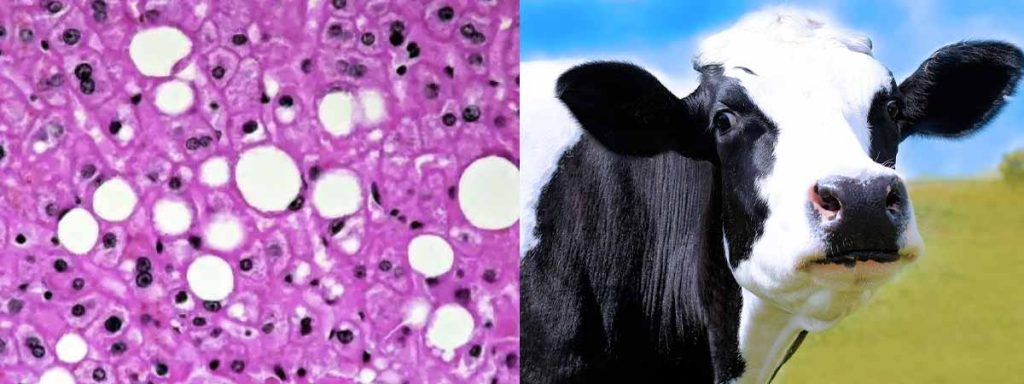
High somatic cell count in milk can significantly reduce the quality, safety, and sensory appeal of yoghurt and other fermented dairy products. Producers often observe that high somatic cell count leads to changes in texture, flavor, and shelf life. Research shows that high SCC milk increases rancidity, bitterness, and astringency in final products.
| Milk Type | Organoleptic Quality | Issues Reported |
|---|---|---|
| Low-SCC | High | None |
| High-SCC | Low | Rancidity, Bitterness, Astringency |
Monitoring with a somatic cell count tester helps ensure better outcomes for both producers and consumers.
Key Takeaways
- High somatic cell count (SCC) in milk leads to lower yogurt quality, affecting texture, flavor, and shelf life.
- Regular monitoring of somatic cell count helps producers maintain high standards and prevent defects in dairy products.
- Farm management practices, such as maintaining hygiene and monitoring udder health, can significantly reduce SCC levels.
- Consumers can support quality dairy by choosing brands that prioritize low somatic cell counts and transparent farming practices.
- Understanding the impact of SCC on yogurt can help both producers and consumers make informed choices for better dairy products.
What Is Somatic Cell Count?
SCC Definition and Importance
Somatic cell count measures the number of somatic cells in milk. These cells include white blood cells and epithelial cells from the udder. Dairy scientists use somatic cell count to assess milk quality and safety. High levels often signal udder infections, such as mastitis, which can harm both milk and dairy products. Producers and processors monitor somatic cell count to maintain product standards and consumer trust.
| Aspect | Value/Description |
|---|---|
| Definition | Somatic cell count (SCC) is a measure of somatic cells in milk, indicating its quality and safety. |
| Low threshold (uninfected) | Less than 100,000 cells/mL |
| High threshold (infected) | Greater than 250,000 cells/mL |
| Canada/EU/Australia Limit | Not more than 400,000 cells/mL |
| USA Limit | 750,000 cells/mL |
| Brazil Limit | 1,000,000 cells/mL |
A low somatic cell count means the milk is healthy and suitable for yogurt production. High values can lead to defects in texture and flavor. Many countries set strict limits for bulk tank scc to protect consumers.
Causes of High SCC in Milk
Several factors can increase somatic cell count in milk. Mastitis, an infection of the udder, is the most common cause. Poor milking hygiene, stress, and injuries to the udder also raise milk somatic cells. Cows with poor nutrition or living in unsanitary conditions often show higher cell counts. Farmers must address these issues to keep somatic cell count low and ensure high-quality dairy products.
Monitoring with Somatic Cell Count Tester
Dairy farms use different types of somatic cell count tester to monitor milk quality. These testers help detect high somatic cell count quickly and accurately.
| Type of Tester | Description | Accuracy Level |
|---|---|---|
| Portable Testers | Ideal for small to medium farms, easy to use, battery-powered, instant results. | Moderate to High |
| Laboratory Testers | Used by processing plants and labs, extremely accurate and detailed analysis. | Very High |
| Automated Inline Testers | Installed in milking lines, continuously monitors milk during milking. | High |
Routine testing allows producers to identify problems early. This practice helps maintain low somatic cell count and supports the production of safe, high-quality yogurt and other fermented dairy products.
High SCC Effects on Yoghurt
Texture and Consistency Changes
Yoghurt made from milk with a high somatic cell count often shows noticeable changes in texture and consistency. High SCC can reduce the quality of milk proteins, which play a key role in forming the gel structure during fermentation. When the somatic cell count rises above certain levels, the gel strength and firmness of yoghurt decrease. This leads to a weaker, less cohesive product.
Researchers have measured the impact of somatic cell count on yoghurt texture using several indicators. The table below summarizes these findings:
| Somatic Cell Count (CCP) | G Values at pH 4.6 | Loss Tangent Values at pH 5.1 | Whey Separation Levels |
|---|---|---|---|
| Up to 116% | Similar | Similar | Similar |
| Higher than 116% | Greatly decreased | Different | Increased |
A high SCC causes a drop in gel strength and increases whey separation. This results in a runnier yoghurt with lower viscosity. Many producers notice that high SCC milk leads to lower product yields and higher costs. These changes can affect the acceptability of yoghurt for both consumers and manufacturers.
Note: High somatic cell count can also impact the viscosity of yoghurt, making it less appealing in both appearance and mouthfeel.
Flavor, Aroma and Organoleptic Impact
The flavor and aroma of yoghurt depend on the quality of the milk used. High SCC often contains more enzymes that break down fats and proteins. This process, called lipolysis, increases the levels of free fatty acids in the final product. As a result, yoghurt made from high SCC milk develops off-flavors, such as rancidity and bitterness.
Sensory evaluations show that yoghurt from high SCC milk scores lower in taste and overall acceptability. Consumers often notice a decline in the typical fresh and clean flavor of yoghurt. The presence of off-flavors and changes in aroma reduce the product’s appeal.
- Increased lipolysis leads to higher free fatty acid content.
- Off-flavors such as rancidity and bitterness become more common.
- Similar taste and overall acceptability scores drop when high SCC milk is used.
Yoghurt with these defects may not meet consumer expectations for taste, aroma, or texture. Producers must monitor somatic cell count to maintain high standards in dairy products.
pH, Acidity and Storage Time
High somatic cell count also affects the chemical stability of yoghurt during storage. Milk with a high SCC contains more enzymes that break down proteins and fats over time. This increased proteolysis and lipolysis can change the pH and acidity of yoghurt as it ages.
Studies show that yoghurt made from high SCC has higher viscosity and lower casein content after 14 and 28 days of cold storage. These changes can shorten the shelf life of yoghurt and other fermented dairy products. The product may lose its firmness and develop a grainy or watery texture before the end of its expected storage period.
- High SCC increases the rate of spoilage during storage.
- Changes in pH and acidity can make yoghurt less stable.
- The shelf life of yoghurt decreases, leading to more waste and lower consumer satisfaction.
Producers who want to deliver high-quality yoghurt must control somatic cell count in their milk supply. Regular testing helps prevent these negative effects and supports the production of dairy products with better texture, flavor, and storage stability.
High Somatic Cell Count and Milk Quality
Changes in Milk Composition
Somatic cell count plays a major role in determining milk quality. When the somatic cell count rises, the composition of milk changes. The most noticeable shift occurs in lactose content. High somatic cell count leads to a reduction in lactose synthesis, while fat and protein levels remain mostly unchanged. This change can affect the taste and fermentation process of yogurt and other fermented dairy products.
| Component | Effect of High SCC |
|---|---|
| Lactose | Reduction in content |
| Fat | No significant change |
| Protein | No significant change |
A decrease in lactose can limit the food supply for beneficial bacteria during fermentation. This reduction may lower finished dairy product quality and impact consumer satisfaction.
Enzyme Activity and Defects
Milk with a high somatic cell count contains more enzymes, especially proteases and lipases. These enzymes come from immune function responses in the udder. Increased enzyme activity can cause several defects in yogurt and other fermented products:
- Proteases break down milk proteins, leading to bitterness and off-flavors.
- Lipases increase the breakdown of fats, causing rancid tastes.
- Both enzyme types reduce the sensory appeal of the final product.
Immune function in cows produces these enzymes as a defense, but their presence in milk can harm product quality. Producers must monitor somatic cell count to prevent these defects.
Impact on Fermentation
High SCC presents several challenges during fermentation. Mastitis, which raises somatic cell count, lowers milk hygiene and increases the risk of unwanted microbial growth. Starter cultures may struggle to ferment milk with high somatic cell count because of antibiotic residues or poor milk quality. These issues can slow down fermentation, reduce yogurt yield, and affect immune function in consumers who rely on probiotics.
- Poor milk quality encourages the growth of spoilage microbes.
- Antibiotic residues can inhibit starter cultures.
- Fermentation may become inconsistent, leading to variable product quality.
A high somatic cell count not only affects the health of the cow but also impacts every stage of dairy processing, from raw milk to finished product.
Shelf Life and Safety Concerns
Spoilage and Microbial Risks
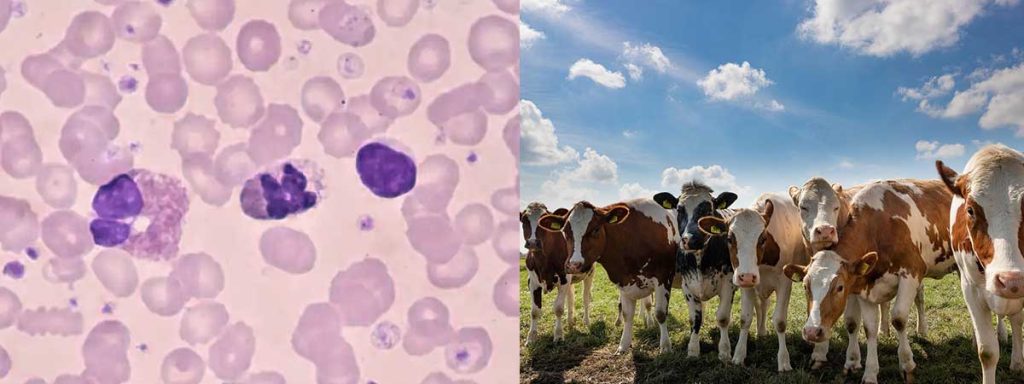
High somatic cell count in milk increases the risk of spoilage and microbial contamination in dairy products. Milk with elevated somatic cell levels often contains more enzymes, such as plasmin, which break down proteins and reduce shelf life. This process leads to the formation of bitter peptides and a decline in product quality. Researchers have linked high plasmin activity to low-quality milk and shorter shelf life.
| Evidence Type | Description |
|---|---|
| Proteolytic Activity | High plasmin activity is linked to low quality milk with high somatic cell counts. |
| Impact on Shelf-life | Increased plasmin activity reduces milk shelf-life due to hydrolysis of milk casein and production of bitter peptides. |
The presence of harmful bacteria also rises when the somatic cell count is high. Studies have identified several pathogens that can appear more frequently in these conditions.
| Pathogen | Source of Evidence |
|---|---|
| E. coli | Hayes and Boor, 2001 |
| Staphylococci | Wilson et al., 1997 |
| Streptococci | Wilson et al., 1997 |
| L. monocytogenes | Schoder et al., 2003; Pearson and Marth, 1990; Jensen et al., 1996 |
| Salmonella | Wood et al., 1991 |
| Coxiella burnetti | Barlow et al., 2008 |
A higher bacterial count in milk increases the risk of spoilage and foodborne illness. Producers must monitor milk quality to protect consumers and maintain the safety of yoghurt and other dairy products.
Starter Culture Performance
Starter cultures play a vital role in the fermentation of yoghurt and other dairy products. High somatic cell count can disrupt the activity of these cultures. Enzymes and bacteria present in high SCC milk may interfere with fermentation, leading to inconsistent results. This disruption can cause poor texture, off-flavors, and reduced shelf life.
Consumer complaints often focus on texture and flavor problems in yoghurt made from high SCC milk. Sensory tests show that products from high SCC milk receive lower grades for consistency and taste over time. The table below summarizes common findings:
| Findings | Description |
|---|---|
| High SCC Impact | Yogurts made from high SCC milk had unsuitable texture and were rejected by consumers due to undesirable flavors. |
| Sensory Quality | The sensory quality of yogurt was negatively affected when SCC levels exceeded 250,000 cells−1, leading to decreased grades for consistency and taste over time. |
| Physicochemical Properties | High SCC yogurt exhibited higher protein content and increased syneresis, affecting its overall quality. |
A high bacterial count can also slow down or inhibit the growth of beneficial starter cultures. This effect reduces the quality and safety of fermented dairy products. Producers who monitor and control somatic cell count help ensure that yoghurt and other dairy products meet consumer expectations for taste, texture, and shelf life.
Practical Implications
Financial and Product Losses
High SCC in milk leads to significant financial losses for dairy producers. When somatic cell count rises, the quality of milk drops, resulting in lower yields and more rejected batches of yoghurt and other dairy products. Producers often face increased costs for fortification to restore product quality. Fortification with sodium–calcium caseinate can help improve texture and stability, but it adds to production expenses. Lower milk quality also means more waste and reduced consumer satisfaction. Many companies invest in fortification strategies to maintain standards, but these efforts cannot fully offset the negative effects of high SCC.
Regulatory and Quality Standards
Regulatory bodies set strict limits for somatic cell count intended for yoghurt production. These standards protect consumers and ensure consistent milk quality. The table below shows the maximum allowed somatic cell count in major dairy-producing regions:
| Country | Maximum SCC (cells/mL) | Regulatory Body |
|---|---|---|
| United States | 750,000 | Food and Drug Administration (FDA) |
| European Union | 400,000 | European Union regulations |
Producers must meet these standards to sell their dairy products in local and international markets. Failure to comply can result in fines, product recalls, and loss of reputation. Regulatory compliance encourages investment in fortification and quality control measures.
Importance of Regular SCC Testing
Routine monitoring of somatic cell count supports high milk quality and safe dairy products. Producers use a somatic cell count tester to check milk from each patron at least four times in every six-month period. This practice helps identify problems early and allows for timely fortification if needed. Regular testing ensures that milk meets regulatory standards and maintains the desired quality for yoghurt production. Many farms rely on automated systems to track cell levels and prevent high SCC from affecting their products.
- Producers test somatic cell count at irregular intervals, at least four times in six months.
- Early detection supports fortification and quality control.
- Somatic cell count tester devices improve accuracy and efficiency.
Regular SCC testing protects both producers and consumers. It helps maintain the integrity of yoghurt and other dairy products, supporting long-term business success.
Reducing High SCC in Milk
Farm Management Strategies
Dairy farms can lower somatic cell counts by focusing on daily routines and herd health. Farmers monitor somatic cell counts to track udder health and identify problems early. They separate cows with infections to prevent the spread of disease. Clean bedding helps reduce environmental infections. Staff use clean gloves and one towel per cow during milking. Washing towels at high temperatures removes bacteria. Milking high SCC cows last and using proper pre- and post-milking routines, such as post-dipping, further limits infection. Training staff on these procedures ensures everyone follows best practices.
- Monitor somatic cell counts regularly
- Separate infected cows
- Maintain clean bedding
- Use clean gloves and one towel per cow
- Wash towels at high temperatures
- Milk high SCC cows last
- Follow pre- and post-milking routines
- Train staff on udder health
Quality Control Measures
Producers use several quality control steps to keep milk suitable for yogurt and other fermented products. Monthly testing helps identify high-risk animals. Farmers collect and test milk samples to find the bacteria causing high SCC. They interpret results to decide if the bacteria are environmental or contagious. Adjusting milking procedures, cleaning equipment, and reducing cow stress all play a role. Regular veterinary checks and mastitis prevention also support low somatic cell counts. Some producers adjust starter culture concentrations or ripening times when working with milk that has moderately high cell counts.
- Test milk monthly for somatic cell count
- Collect and analyze milk samples
- Adjust milking and cleaning routines
- Schedule regular veterinary visits
- Prevent mastitis through hygiene
- Modify starter cultures as needed
Consumer Choices
Consumers can help support high-quality dairy products by making informed choices. They can look for yogurt brands that highlight milk quality or low somatic cell counts. Reading product labels and choosing items from trusted producers increases the chance of buying better products. Some brands share information about their farm management and quality control practices. Consumers who value quality can also ask retailers about the source of their dairy products.
Tip: Choosing yogurt from producers who invest in regular testing and strong farm management helps ensure better taste, texture, and safety.
Conclusion
High SCC leads to lower lactose, increased syneresis, and off-flavors in yoghurt, which reduces quality and consumer appeal. The table below highlights these effects:
| Effect | Result in Yoghurt |
|---|---|
| Lower lactose | Poor fermentation |
| Increased syneresis | Watery texture |
| Enzyme leakage | Bitter, piquant flavors |
Regular somatic cell count monitoring and strong farm practices help maintain high-quality dairy products. Producers and consumers both benefit when milk quality remains a top priority.
FAQ
What Is Considered a High Somatic Cell Count in Milk?
A high somatic cell count means more than 250,000 cells per milliliter. Most countries set legal limits between 400,000 and 1,000,000 cells per milliliter. Producers must keep counts low to ensure safe and high-quality dairy products.
How Does High SCC Affect Yogurt Texture?
High SCC reduces milk protein quality. Yogurt made from this milk often feels runny or watery. Increased whey separation and lower gel strength make the product less appealing to consumers.
Can Consumers Identify Yogurt Made from High SCC Milk?
Consumers may notice yogurt with high SCC milk tastes bitter or rancid. The texture may seem grainy or watery. Trusted brands often share information about milk quality on their labels.
Why Should Producers Use a Somatic Cell Count Tester?
A somatic cell count tester helps producers monitor milk quality. Early detection of high SCC allows quick action to prevent defects in yogurt and other fermented dairy products.