




Collecting a milk sample at the correct time ensures an accurate result. Consistent collection, such as during mid-milking or just before milking, gives reliable data. Timing affects the measurement of somatic cell count and other quality factors. Proper sample handling supports trustworthy milk test results.
Key Takeaways
- Collect milk samples mid-milking for the most accurate results. This timing reduces variability in fat and protein content.
- Agitate milk for at least five minutes before sampling. Proper mixing ensures homogeneity and prevents fat separation.
- Use multi-day sampling to capture daily changes in milk composition. This approach helps identify trends and potential issues.
- Follow strict protocols for sample handling to maintain integrity. Clean techniques and immediate refrigeration are essential.
- Tailor sampling methods to the specific test purpose and herd management system. This ensures accurate and actionable results.
Why Sampling Time Matters?
Impact on Milk Test Results
The timing of milk sample collection plays a crucial role in the accuracy of milk analysis. Researchers have found that collecting a sample before or after milking can change the detection rates of bacteria such as Staphylococcus aureus. Fresh or frozen premilking samples and frozen postmilking samples provide the highest detection rates, while fresh postmilking samples are less effective. This shows that both the timing and handling of the sample affect the reliability of test results.
The study evaluated the effect of sampling technique on microbiological results of bovine milk samples. It found that sampling directly from the udder cistern reduced the number of species detected compared to conventional methods, indicating that sampling technique significantly influences the accuracy of test results.
Storage conditions also impact the detection of pathogens. In pooled milk samples, longer storage times can decrease contamination rates, but in quarter milk samples, longer storage increases the odds of contamination. These findings highlight the importance of considering both the timing and storage of the sample for accurate analysis.
| Findings | Description |
|---|---|
| Sampling Intervals | Shorter sampling periods yield accurate estimates of milk volume and components for pasture-based dairy herds. |
| Optimal Sampling | Collection of two milk samples per cow was found to be optimal for high accuracy. |
| Comparison to Gold Standard | A 48-hour milk recording protocol was deemed unnecessarily long for accurate estimates. |
Variability in Milk Composition
Milk composition changes throughout the day and during the milking process. The concentration of fat, for example, can increase by 2 to 3.5 times in later samples, while protein levels rise by 10 to 20 percent during milk ejection. These changes mean that the timing of collection affects the measured values for fat and protein.
| Component | Change in Concentration | Notes |
|---|---|---|
| Fat | Increased by 2-3.5 times in later samples | Greatest changes observed in fat concentration |
| Protein | Increased by 10-20% during ejection | Increase occurred evenly throughout ejection |
Day-to-day variations also occur, especially in fat content, which can vary by up to 7.7 percent in cow milk. Lactose levels remain more stable, with only minor changes. Repeated sampling helps detect shifts in composition and cow health.
| Milk Type | Variability in Composition | Key Influencing Factors |
|---|---|---|
| Cow Milk | Fat shows greatest day-to-day variation (7.7%) | Variability in lactose is minimal (0.9%) |
| Cow Milk | Day-to-day variations in milk yield and composition | Different components show varying levels of variability |
A single, well-timed sample often provides a reliable estimate for most components, but understanding these variations ensures more accurate results.
Key Factors in Sampling
Milking Schedule
Milking schedules play a significant role in the consistency and reliability of milk sample collection. Dairy farms may use traditional twice-daily milking, more frequent schedules, or automatic milking systems. Each approach affects milk composition and the accuracy of sample results.
- Frequent milking, such as three times per day or more, can increase milk yield. However, this practice may lower milk fat and protein percentages if not managed carefully.
- Milk fat percentages often vary between different milking sessions. Adjustment factors help ensure accurate assessment of these values.
- Protein percentages remain highly consistent across multiple milkings, which supports reliable measurements.
- Automatic milking systems allow for more frequent milking. This can boost yield but may also introduce variability in fat and protein content.
- Increased milking frequency can elevate cow stress and require dietary changes, which may impact overall milk quality.
Careful management of milking practices ensures that sample collection reflects true milk quality. Consistent timing during the milking process, such as collecting samples mid-milking, helps reduce variability.
Cow Health and Lactation
Cow health and lactation stage directly influence the optimal timing for sample collection. Healthy cows produce milk with stable composition, while illness or metabolic stress can alter milk quality. The stage of lactation also affects the levels of fat, protein, and other components.
| Evidence Description | Source Citation |
|---|---|
| Timing of milk sampling in relation to feeding significantly impacts metabolic profiles in dairy cows, especially in early lactation. | Bertoni and Trevisi, 2013; Quiroz-Rocha et al., 2010 |
| Blood sampling for metabolic profile assessment can lead to misinterpretation if daily change factors are not considered. | Van Saun, 2023 |
| Optimal blood sampling time in early-lactating cows is before morning feeding to better estimate energy balance. | Wylie et al. (2008); Bertoni and Trevisi, 2013 |
Early lactation brings rapid changes in milk composition. Sampling at consistent times, especially before feeding, provides a more accurate picture of the cow’s metabolic status. Monitoring health and lactation stage ensures that sample collection yields meaningful results.
Feeding and Management
Feeding practices and herd management routines have a strong impact on milk composition at different sampling times. Diet, season, and management choices all contribute to variations in milk quality.
| Factor Influencing Milk Composition | Description |
|---|---|
| Lactation Stage | Varies milk constituents throughout the year. |
| Animal Health | Affects overall milk quality and composition. |
| Herd Management | Influences feeding practices and thus milk composition. |
| Feed Management Practices | Different diets (silage vs. pasture) lead to significant variations in milk composition. |
| Seasonal Variations | Alters feed availability, impacting milk fat and protein levels. |
| Climatic Conditions | Affects the growth stages of grass, influencing feed and milk composition. |
- Milk samples analyzed for somatic cell count should be processed immediately after collection.
- Laboratory analysis often involves thawing frozen samples and using specialized equipment to determine fat, protein, and lactose percentages.
Consistent feeding and management routines help stabilize milk composition, making sample collection more reliable. Changes in diet or environment can cause fluctuations, so regular monitoring is essential.
Test Purpose

The purpose of the test determines the best approach for sample collection and sampling frequency. Different herd sizes and management systems require tailored strategies to ensure accurate results.
| Herd Size (Cows) | Sampling Frequency (Days) | Samples per Day |
|---|---|---|
| 50 | 30 | 1 |
| 100 | 15 | 2 |
| 200-1600 | 4 | 3 |
Technological advancements in milk testing equipment now allow for real-time analysis. These innovations improve the accuracy and efficiency of milk quality assessments. Immediate detection of deviations in milk quality helps maintain safety and compliance. On-farm, semi-automated point-of-care tests operate under harsh conditions, enabling timely sample collection and analysis. Sensor-based technologies support early detection of process deviations, which enhances herd management and product safety.
Tip: Always match the sample collection method and timing to the specific test purpose and herd management system. This approach ensures that results are both accurate and actionable.
Somatic Cell Count and Test Accuracy
Timing for Somatic Cell Count
Accurate measurement of somatic cell count depends on the timing of sample collection. Researchers have shown that the interval between collections can affect the reliability of results. For example, collecting samples every two days provides more precise data than longer intervals. Variations in sampling intervals, such as four to fourteen days, may lead to inaccuracies when predicting bulk tank somatic cell count.
| Study Focus — Findings | | Influence of sampling interval on BMSCC accuracy — Variations in sampling intervals can lead to inaccuracies in predicting BMSCC. The study assessed the effect of sampling intervals ranging from 4 to 14 days compared to a standard 2-day interval. |
The timing between milkings also influences the sensitivity and specificity of somatic cell count as an indicator for intramammary infection. Collecting a sample at a consistent time, such as mid-milking, helps ensure that the somatic cell count reflects the true status of the herd. Dairy managers often use a somatic cell count tester to monitor changes and detect infections early.
| Study Focus — Findings | | Sampling time between milkings and SCC — The study determined how the timing of sample collection affects the sensitivity and specificity of SCC as an indicator for intramammary infection (IMI) status. |
Tip: Consistent timing and regular intervals for sample collection improve the accuracy of somatic cell count measurements.
Using a Somatic Cell Count Tester
Proper use of a somatic cell count tester ensures reliable results. Dairy workers must follow strict protocols during sample collection and handling. Clean techniques and sterile containers prevent contamination and maintain sample integrity.
- Workers should clean the udder before milking.
- They must use sterile containers for collecting each sample.
- Samples should be refrigerated immediately after collection.
- Consistent handling and preparation techniques help maintain sample quality.
- A clean environment reduces the risk of foreign bacteria affecting the somatic cell count.
The somatic cell count tester provides quick feedback on milk quality. Regular use allows managers to track trends and respond to changes in herd health. By following best practices, dairy farms can trust the results and make informed decisions.
Bulk Milk Sampling Best Practices
Consistent Sampling Procedures
Consistent procedures form the foundation of reliable bulk milk sampling. Farmers who follow a regular schedule for collection help ensure that test results reflect true milk quality. They often collect samples at mid-milking, which provides a representative snapshot of the entire batch. This approach aligns with public health surveillance guidelines and supports robust monitoring.
- The method is practical and easy to operate, requiring minimal coordination and qualified staff.
- Volunteer farmers can conduct regular sampling, saving time and resources.
- High engagement among farmers stems from their concern for product quality and safety.
- Bulk milk tank samples collected every 4-5 days allow for effective monitoring of disease prevalence, such as tick-borne encephalitis virus.
- Bulk milk testing offers a convenient and cost-effective strategy for disease surveillance, using protocols like ELISA and PCR.
Best practices in bulk milk sampling ensure that samples represent the whole tank. Proper training and adherence to protocols improve the integrity of the process and lead to more reliable data.
Tip: Always collect samples at the same point in the milking process, such as mid-milking, to reduce variability and improve accuracy.
Agitation and Sample Handling
Agitation and careful handling play a critical role in the accuracy of bulk milk sampling. Milk must be well-mixed before collection to achieve homogeneity. Farmers typically agitate the bulk tank for 5 to 10 minutes before taking a sample. This step prevents fat separation and bacterial clustering, which can distort test results.
- Agitate the milk in the tank for 5 minutes prior to collection.
- Use a clean, sanitized dipper to collect the sample from the top of the tank, not the outlet.
- Pour the first sample back into the tank to rinse off any sanitizer from the dipper.
- For duplicate sampling, dip out enough milk for all samples into separate containers, mix the sub-sampled milk, and pour into clean, leak-proof containers.
- Transport samples to the laboratory promptly to maintain integrity.
Preservative vials, such as those containing Azidiol, help prevent bacterial contamination during transport. Farmers must allow the preservative to dissolve fully in the sample to ensure consistent results. However, variability in preservative concentration can occur due to differing milk volumes, which may affect microbial tests. Colorants in preservatives can also change the appearance of test results, making interpretation more challenging.
| Mistake | Explanation |
|---|---|
| Not testing raw cow’s milk | Some tests are designed for raw cow milk only. Using other types leads to inaccuracies. |
| Milk sample not representative | Homogeneity is crucial for accurate testing. |
| Sample not refrigerated | Improper storage alters sample properties and affects outcomes. |
| Delayed testing | Waiting several days can change antibiotic content and bacterial growth. |
Note: Adequate agitation is essential for homogeneity, but excessive agitation can churn the milk and degrade quality.
Multi-Day Sampling for Accuracy
Multi-day sampling provides a more accurate and representative assessment of bulk milk quality. Researchers have observed significant temporal shifts in the microbiota composition of bulk tank milk. By collecting samples over several days, farmers can capture these changes and avoid misleading results from a single collection.
| Key Findings | Description |
|---|---|
| Temporal Shifts | Significant changes in microbiota composition occur over time, requiring multi-day sampling. |
| Longitudinal Design | Resampling the same farms over time reveals factors affecting milk quality and diversity. |
| Methodology | High throughput sequencing and farmer questionnaires identify causes of microbial shifts. |
Collecting samples from multiple bulk tanks and freezing them until delivery to the laboratory helps maintain sample integrity. This approach accounts for natural variations in milk composition and ensures that the results reflect the true status of the herd.
- Multi-day sampling captures day-to-day changes in milk quality.
- It helps identify trends and potential issues that may not appear in a single sample.
- Comprehensive sampling strategies improve the reliability of milk quality assessments.
Tip: Farmers should collect samples over several days and use proper storage techniques to achieve the most representative results.
Conclusion
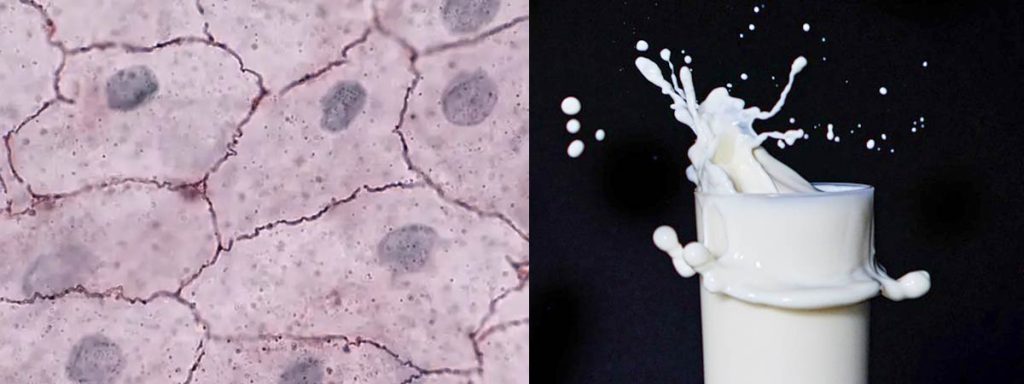
Correct sampling time and procedures play a vital role in milk test accuracy. Farms that follow a strict protocol see significant improvements, as shown below:
| Method | RMSD Gain (%) | Description |
|---|---|---|
| M1 | 0.32% – 41.39% | Deletion of extreme predictive values |
| M2 | 0.32% – 41.39% | Global-H distance method |
| M3 | 0.32% – 41.39% | Absolute fat residual value |
Many dairy farms use advanced systems to improve sampling, such as peristaltic pumps and string sampling. These systems help reduce contamination and allow early detection of quality issues. Recent studies highlight three key points:
- National testing for H5N1 in raw milk now monitors herds and supply.
- New rules require specific sampling and reporting.
- These steps support efforts to prevent disease spread.
Regular review and improvement of sampling methods help maintain high milk quality.
FAQ
What Is the Best Time to Collect a Milk Sample?
Mid-milking provides the most representative sample. This timing reduces variability in fat and protein content. Farmers achieve more accurate test results by collecting samples at this stage.
How Long Should Milk Be Agitated Before Sampling?
Milk should be agitated for at least five minutes. Proper mixing ensures homogeneity. This step helps prevent fat separation and improves the reliability of laboratory analysis.
Why Is Multi-Day Sampling Important?
Multi-day sampling captures daily changes in milk composition. This approach helps farmers identify trends and spot potential issues. Consistent sampling over several days leads to more accurate results.
Can Preservatives Affect Milk Test Results?
Preservatives prevent bacterial growth during transport. However, incorrect amounts may alter microbial test outcomes. Farmers should follow guidelines for preservative use to maintain sample integrity.
What Happens If a Sample Is Not Refrigerated?
Unrefrigerated samples can develop bacterial growth. This change affects somatic cell count and other quality indicators. Immediate refrigeration preserves the sample and ensures accurate testing.