



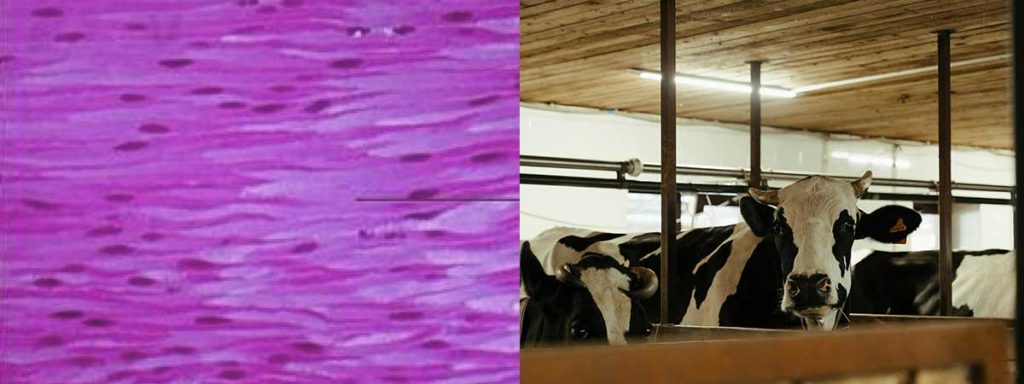
Maintaining low SCC in heifers protects herd health and ensures future productivity. High SCC signals possible infections like mastitis, which damages milk quality and reduces farm profits.
The SCC in milk is a globally recognized indicator of microbial quality and mastitis. Elevated SCC not only predicts microbial contamination but also negatively impacts milk composition and quality, which correlates with altered milk composition (e.g., lactose, casein) and sensory defects.
Industry data shows that subclinical mastitis costs the U.S. dairy industry over $1 billion each year. Farms lose about $110 per cow due to discarded milk, treatment, labor, and culling. Simple daily management and regular use of a somatic cell count tester help farmers monitor issues early, regardless of herd size.
Key Takeaways
- Maintain clean heifer housing to reduce the risk of mastitis and keep SCC low. Regularly clean bedding and stalls to prevent bacterial growth.
- Provide balanced nutrition to heifers, including essential vitamins and minerals. Proper diets support immune function and lower SCC.
- Regularly test somatic cell counts to catch health issues early. Use reliable testing methods to monitor SCC and respond quickly to changes.
- Separate heifers from mature cows to reduce stress and disease transmission. This practice helps maintain low SCC and supports overall herd health.
- Implement strong biosecurity measures to protect against disease. Limit visitor access, disinfect equipment, and train staff on hygiene protocols.
Clean Heifer Housing
Importance for SCC
Heifer housing plays a critical role in keeping somatic cell count low and supporting overall herd health. Clean environments reduce the risk of environmental pathogens that can cause mastitis and increase SCC. Dirty bedding and wet conditions create ideal breeding grounds for bacteria. Heifers exposed to these conditions face a higher risk of infection.
A 2011 longitudinal study found that cows classified as cleaner had significantly lower somatic cell count (SCC) levels than those that were dirty. The study observed that the very clean cows had the lowest SCC levels, indicating a direct relationship between cleanliness and SCC.
In a study assessing hygiene conditions over 9 months, it was found that the hygiene of dairy cows varied seasonally, with cleaner cows consistently showing lower SCC levels. The study highlighted that the most critical months for cow hygiene were those with the greatest rainfall, correlating with higher SCC values.
Hygiene Best Practices
Farmers can maintain cleanliness in heifer housing by following structured routines and protocols. Bedding should be dry and replaced regularly. Stalls and alleys require daily cleaning to prevent manure buildup. Proper ventilation helps keep the environment dry and reduces bacterial growth.
| Key Finding | Description |
|---|---|
| Cleaner Cows | Cows classified as cleaner had significantly lower SCC levels than dirty animals. |
| Seasonal Variation | The highest proportion of clean cows was observed in August, while the lowest was in January. |
| Consistency | Approximately 55.62% of cows displayed consistent cleanliness scores throughout the year. |
- Effective SCC management starts with mastitis prevention through structured health programs.
- Training milkers to follow consistent milking procedures is essential to reduce SCC.
- Regular checks and sanitization of milking equipment are necessary to prevent inflammation and SCC increases.
Monitoring Cleanliness
Regular evaluation of heifer housing ensures ongoing hygiene and comfort. Farmers should check bedding conditions and ventilation daily. They should also monitor for wet spots and manure accumulation. A simple checklist can help track these tasks.
| Recommendation | Description |
|---|---|
| Maintain a clean, dry environment | Essential to minimize the risk of environmental pathogens and mastitis infections. |
| Bedding management | Bedding should be topped off at least weekly; both organic and inorganic bedding require proper management to prevent bacterial growth. |
| Regular cleaning practices | Stalls should be cleaned daily, and alleys should be kept clean to prevent splatter onto the udder. |
| Provide sufficient ventilation | Mechanical ventilation may be necessary, especially in warmer months. |
Heifer housing must remain a priority throughout the year, especially during wet seasons. By focusing on hygiene and monitoring, farmers can maintain cleanliness and protect their herd’s future.
Heifer Nutrition and Health
Nutrition’s Role in SCC
Proper nutrition forms the foundation for heifer development and herd health. Heifers require balanced diets to support immune function, reduce mastitis risk, and maintain low somatic cell count. Nutrition directly influences breeding outcomes and calving success. Heifer development depends on adequate energy, protein, vitamins, and minerals. Farmers who prioritize nutrition see improved cow health management and lower SCC. Heifers with optimal nutrition experience fewer infections and better development during breeding and calving.
Immune Support Strategies
Heifer development benefits from targeted supplementation. Farmers enhance health by adding organic trace minerals such as selenium, copper, chromium, and zinc. These minerals improve udder health and lower somatic cell count. Organic zinc reduces new intramammary infections, supporting heifer development and breeding. Zinpro Performance Minerals® boost immune function, decreasing mastitis incidence and promoting healthy calving. Zinpro® Availa® Plus supports epithelial health and keratin production, which are vital for maintaining low SCC. Feeding the digital dermatitis formula to non-lactating heifers positively impacts somatic cell count in their next lactation.
Tip: Consult a veterinarian to design a mineral supplementation plan tailored to heifer development and breeding goals.
Adjusting Diets for Health
Farmers monitor heifer development and adjust diets to maintain health and low SCC. They observe body condition, growth rates, and signs of mastitis. Regular health checks help identify nutritional gaps. Farmers collaborate with veterinarians to refine cow health management strategies. They adjust feeding programs based on breeding schedules and calving needs. Heifer development improves when diets include essential minerals and vitamins. Farmers use somatic cell count data to evaluate nutrition effectiveness. They track heifer development from breeding through calving to ensure optimal health.
| Monitoring Practice | Benefit |
|---|---|
| Body condition scoring | Supports heifer development and breeding |
| Growth rate tracking | Ensures proper development |
| SCC testing | Guides nutrition adjustments |
| Veterinary consultation | Enhances cow health management |
Heifer development relies on consistent nutrition, health monitoring, and management. Farmers who invest in nutrition and collaborate with veterinarians protect herd health, improve breeding outcomes, and secure future productivity.
SCC Monitoring and Early Detection
Using a Somatic Cell Count Tester
Regular SCC testing forms the backbone of herd health management. Early detection of problems helps prevent mastitis and supports long-term productivity. Farmers use a somatic cell count tester to monitor SCC in heifers and identify issues before they become severe. The DeLaval cell counter stands out as a reliable option for on-farm use, with studies confirming its accuracy in measuring SCC. Online somatic cell count testers also provide useful data, though their reliability can vary between farms. New technologies, such as optical sensors and biosensors, offer immediate results and support early disease detection. These advancements help farmers respond quickly to changes in SCC and protect the herd.
Tip: Farmers should calibrate their somatic cell count tester regularly and follow manufacturer guidelines for best results.
Record Keeping for Herd Health
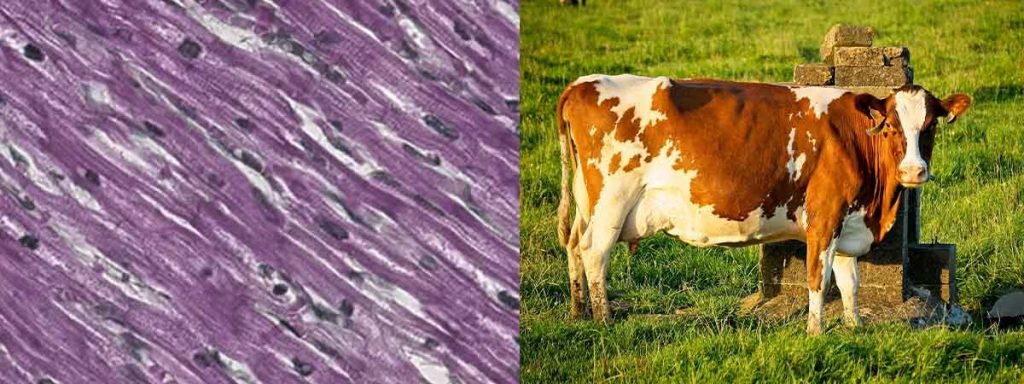
Accurate records allow farmers to track SCC trends and make informed decisions. Good record-keeping systems help identify cows at risk and monitor the effectiveness of management strategies. Two leading systems include Dairy Records Management Systems (DRMS) and the Udder Health Monitor report. DRMS provides detailed herd summaries, while the Udder Health Monitor tracks SCC data and calculates averages.
| System | Description |
|---|---|
| Dairy Records Management Systems (DRMS) | Offers herd management analysis and highlights strengths and weaknesses. |
| Udder Health Monitor report | Summarizes SCC data and helps monitor udder health across the herd. |
Michigan State University Extension highlights the value of strong record-keeping for assessing udder health and identifying infections.
Responding to SCC Changes
When SCC rises suddenly, farmers must act quickly to protect the herd. Increasing the frequency of California Mastitis Test (CMT) checks from monthly to weekly helps catch subclinical cases early. Lowering the SCC threshold for treatment from 400,000 to 250,000 cells/mL prevents chronic infections. Staff retraining on hygiene protocols improves pre-milking teat sanitation and reduces mastitis risk.
| Intervention Strategy | Description |
|---|---|
| Enhanced California Mastitis Test (CMT) | Increase testing frequency for early detection of subclinical cases. |
| Earlier treatment initiation | Lower SCC threshold for treatment to prevent chronic infections. |
| Staff retraining | Improve hygiene compliance and reduce infection rates. |
Farmers should aim to keep most cows in the SCC score range of 0-3, which indicates low infection risk. First-lactation cows often have lower SCC scores, so monitoring these animals closely supports herd health. By combining regular testing, accurate records, and prompt action, farmers can maintain low SCC and ensure a healthy, productive herd.
Heifer Separation for Herd Health
Reducing Stress and Disease
Separating heifers from mature cows supports health and lowers somatic cell count. Replacement heifer groups face less competition for feed and space, which reduces stress. Lower stress levels help prevent mastitis and improve immune function. Studies show that heifers in confinement with cows have higher infection rates. For example:
- USDA research found that 7% of heifers were infected by environmental streptococci and 4% by coliforms.
- At calving, 19% of quarters in housed heifers were infected, with 98% of these infections caused by environmental bacteria.
- Only 8% of pastured heifers were infected, and 75% of those infections came from environmental organisms.
- Heifers may acquire infections from dry cows, especially in confinement.
Replacement heifer groups benefit from targeted management. Farmers should provide separate pens, clean bedding, and dedicated feeding areas. These steps support improving herd health and reduce disease transmission.
Managing First-Calf Heifers
First-calf heifers require special attention to support health and breeding success. Research highlights the importance of high-quality colostrum for calf health, especially in the first two weeks of life. High somatic cell count in first-calf heifers can lower colostrum quality, which increases calf mortality. Farmers should ensure calves receive colostrum soon after birth to boost immunity.
Heifers should reach a body condition score of 6 before calving. This score helps them meet the demands of maintenance, lactation, and growth. Calving two weeks before the main herd allows first-calf heifers to recover and prepare for the next breeding season. These practices support improving herd health and future productivity.
Monitoring Group Dynamics
Farmers must monitor group dynamics to maintain low stress and support health. Observing replacement heifer behavior helps identify issues early. Signs of aggression, uneven feed intake, or injuries may signal problems. Farmers can use the following strategies to reduce stress and support improving herd health:
| Strategy | Description |
|---|---|
| Heat Stress Management | Provide shade, fans, and sprinklers to reduce heat stress in heifers. |
| Fly Control | Use insect repellents and larvacides to manage horn fly populations. |
| Nutrition Optimization | Ensure access to fresh water and increase energy density in rations. |
Farmers should supplement minerals such as sodium, phosphorus, copper, zinc, and selenium during transition periods. Organic trace elements and organic zinc in rations help reduce new intramammary infections and support breeding. Regular observation and record keeping allow for timely adjustments, which protect herd health and support breeding goals for replacement heifer groups and dairy cows.
Herd Biosecurity and SCC Protection
Limiting Wildlife and Visitors
Biosecurity protects herd health and supports low somatic cell count. Farms that limit wildlife and visitor access reduce disease risk for heifer groups and cows. Many operations restrict entry to essential personnel and maintain visitor logs. Clean entry points help prevent contamination. Farms use designated clean and dirty zones and provide biosecurity gear for visitors. Regular disinfection of equipment and vehicles limits disease spread. Pest control programs target rodents and insects that threaten feed storage and breeding areas. Staff training ensures everyone understands protocols and disease prevention.
| Protocol | Description |
|---|---|
| Control Farm Access | Restrict entry to essential personnel only and maintain a visitor log. |
| Clean Entry Points | Use designated clean/dirty zones and provide biosecurity gear for visitors. |
| Sanitize Equipment and Vehicles | Regularly disinfect shared tools and limit vehicle access to animal zones. |
| Implement Pest Control | Control rodents and insects that can carry disease and secure feed storage. |
| Train Farm Staff | Educate employees on biosecurity protocols and disease prevention best practices. |
Preventing Disease Spread
Disease prevention protects herd health and supports breeding goals. Farms improve environmental and animal hygiene to lower infection risk. Internal and external teat sealants help prevent mastitis in heifer groups. Prepartum application of teat antiseptics and prepartum milking reduce infection rates in cows. Controlling horn fly populations in breeding environments limits disease transmission. Farms keep herds closed and develop vaccination programs with veterinarians. Proper vaccination of existing cows before introducing new animals supports herd health. Quarantining new animals for thirty days prevents disease spread. Farms avoid feeding mastitic milk to calves to protect breeding outcomes.
- Improved environmental and animal hygiene
- Application of internal and external teat sealants
- Prepartum application of teat antiseptics
- Prepartum milking
- Control of horn fly in breeding environments
- Management of heifers as a separate group from older cows
- Not feeding mastitic milk to calves
- Keep the herd as closed as possible
- Develop a vaccination program with a herd veterinarian
- Ensure proper vaccination of existing cows before introducing new animals
- Quarantine new animals for thirty days before contact with the herd
Biosecurity Monitoring
Ongoing biosecurity monitoring protects herd health and supports breeding success. Farms provide clean, dry bedding during winter and prioritize clean resting spaces for cows. Regular assessment of biosecurity practices helps maintain low somatic cell count in heifer groups. Farms implement mastitis prevention plans and ensure proper milking hygiene. Biosecurity index scores show a negative correlation with somatic cell score, indicating that strong biosecurity lowers infection risk.
| Biosecurity Index | Somatic Cell Score (SCS) |
|---|---|
| 44.00 (average score) | Negative correlation (-0.713) |
Training programs for farm staff improve biosecurity and hygiene. Modules focus on fundamental information, skill-building, disease spread, outbreak management, and practical application. Hands-on workshops and simulations help staff implement and audit practices. Establishing trust and shared decision-making between veterinarians and farm staff enhances commitment to biosecurity. Motivational Interviewing promotes behavior change and improves herd management.
Farms that invest in biosecurity protect herd health, support breeding outcomes, and maintain low somatic cell count in heifer groups and cows.
Conclusion
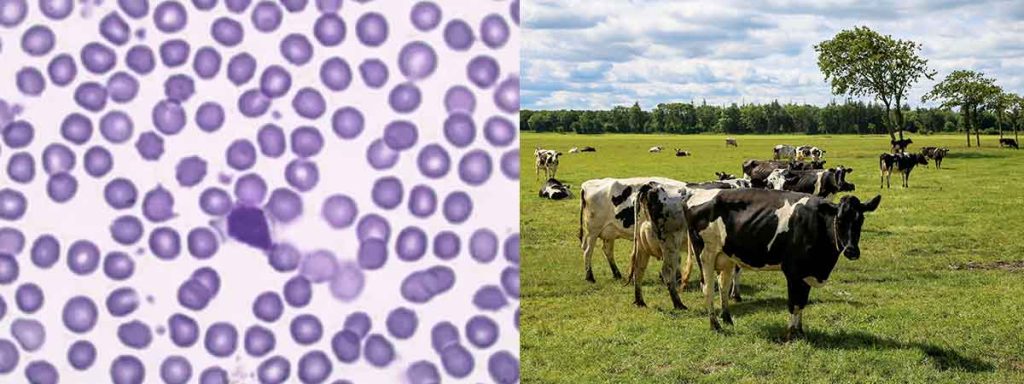
The five golden rules help every herd maintain low somatic cell counts and strong health. Clean bedding, proper milking, and routine equipment checks support cows and heifers. Regular SCC testing allows early detection of health issues, which improves herd outcomes and profitability. Treating sick cows reduces revenue loss by 41%. Farms that train employees and review procedures see better health results. Research shows that 13.3% of heifers had high SCC, highlighting the need for ongoing monitoring. Farmers should share their experiences and seek advice to protect herd health.
FAQ
What Is a Normal Somatic Cell Count for Heifers?
A normal SCC for heifers usually falls below 200,000 cells/mL. Lower counts indicate healthy udders and minimal infection risk. Farmers should monitor SCC regularly to catch problems early.
How Often Should Farmers Test Heifer SCC?
Farmers should test SCC at least once a month. More frequent testing helps detect infections early and supports better herd health management.
Can Nutrition Affect Somatic Cell Count?
Yes. Proper nutrition strengthens the immune system and lowers SCC. Heifers need balanced diets with adequate vitamins and minerals to maintain udder health.
Why Separate Heifers from Mature Cows?
Separation reduces stress and disease transmission. Heifers in separate groups face less competition and have lower infection rates, which helps keep SCC low.
What Biosecurity Steps Protect Against High SCC?
Key steps include limiting visitor access, controlling wildlife, disinfecting equipment, and training staff. These actions help prevent disease introduction and support low SCC.