


High somatic cell count in milk can quietly reduce shelf life and damage economic returns for dairy producers. A striking scenario emerges when comparing herds:
| Metric | Best-Third Herd | Worst-Third Herd | Difference |
|---|---|---|---|
| Bulk Tank SCC (cells/mL) | 134,000 | 284,000 | 150,000 |
| Milk Production (pounds/cow/day) | 11 | 0 | 11 |
| Net Farm Income per Cow ($) | $159 | $0 | $159 |
Producers see lower milk production, reduced pregnancy rates, and more death losses as SCC rises. Consumers notice milk loses freshness faster and may taste off. Regular monitoring with a somatic cell count tester helps keep milk safer and fresher for everyone.
Key Takeaways
- High somatic cell count (SCC) in milk can lead to faster spoilage and lower quality. Regular monitoring helps maintain freshness.
- Lower SCC indicates healthier cows and better milk quality. Farmers should test milk monthly to catch issues early.
- Enzymes from somatic cells can cause off-flavors and rancidity in milk. Keeping SCC low helps preserve taste and safety.
- Dairy producers can improve milk shelf life by using proper hygiene practices and treating infections quickly.
- Collaboration between farmers and processors is key to extending milk shelf life. Together, they can ensure safer, fresher products for consumers.
Understanding Somatic Cell Count in Milk
What Is Somatic Cell Count?
Somatic cell count measures the number of somatic cells present in milk. These cells mostly come from the cow’s immune system and increase when the udder faces infection or inflammation. A low somatic cell count signals healthy cows and high milk quality. When the count rises, it often points to mastitis, a common udder disease. Somatic cell count is expressed as cells per milliliter. This measurement helps farmers and processors judge the safety and freshness of milk.
Tip: A lower somatic cell count means better milk quality and longer shelf life.
SCC as a Quality Indicator
Somatic cell count acts as a key indicator of milk quality. International dairy regulations set strict limits for acceptable levels. The European Union, Australia, and New Zealand set the maximum at 400,000 cells per milliliter. The United States allows up to 750,000 cells per milliliter for Grade A milk. The table below shows how these limits compare across countries:
| Country | SCC Limit (cells/mL) |
|---|---|
| European Union | 400,000 |
| New Zealand | 400,000 |
| Switzerland | 350,000 |
| Australia | 400,000 |
| Canada | 500,000 |
| United States of America | 750,000 |
When somatic cell count exceeds these limits, milk quality drops. High counts can change milk composition, increasing fat and protein but lowering lactose and nonfat solids. Mastitis, negative energy balance, and stress often cause these increases.
Measuring SCC with a Somatic Cell Count Tester
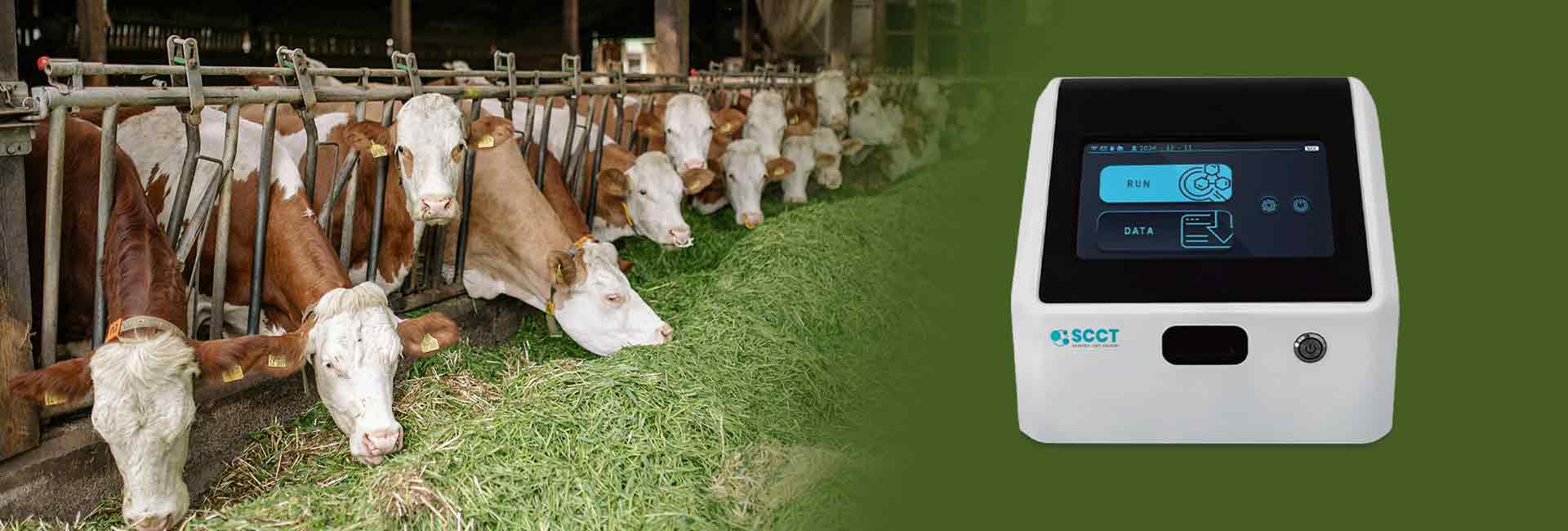
Farmers and processors use a somatic cell count tester to measure SCC quickly and accurately. These devices help monitor milk quality and detect problems early. The table below lists common testers and their accuracy:
| Device | Correlation Coefficient | Sensitivity | Specificity |
|---|---|---|---|
| DeLaval Cell Counter | 0.99 | 75.8% | 97.5% |
| Fossomatic FC | 0.99 | N/A | N/A |
| Porta SCC | 0.859 | 79.4% | 90.7% |
A reliable somatic cell count tester ensures that milk meets quality standards before it reaches consumers. Regular testing supports better herd health and helps maintain high milk quality.
Somatic Cell Count and Milk Shelf Life
Enzyme Activity and Spoilage
When harmful bacteria invade the udder, the cow’s immune system responds by increasing the somatic cell count. This immune response brings more white blood cells into the milk, which release enzymes such as lipases and proteases. These enzymes break down milk fat and protein, leading to faster spoilage. The following biological mechanisms explain this process:
- Pathogenic bacteria enter the udder and trigger an immune response.
- Epithelial cells and macrophages recognize these bacteria using special receptors.
- The immune system activates pathways that produce cytokines, attracting more immune cells and raising the somatic cell count.
- The increased presence of immune cells leads to higher enzyme activity in milk.
Enzymes from somatic cells, especially lipases, act on milk fat and cause rancidity. Proteases break down proteins, resulting in bitterness and off-flavors. Even after pasteurization, high enzyme activity can continue to affect milk quality. These changes reduce the shelf life of raw milk and make it more prone to spoilage.
Bacterial Growth and Freshness Loss
Milk with a high somatic cell count often contains more spoilage bacteria. These bacteria multiply quickly, especially when stored at refrigeration temperatures. Research shows a strong link between somatic cell count and microbial growth rates in stored milk. Higher somatic cell counts usually mean the presence of intramammary infections, which introduce more bacteria into the milk. As a result, spoilage bacteria thrive, leading to faster spoilage and a drop in milk quality.
The table below compares high and low somatic cell count milk:
| Parameter | High SCC Milk | Low SCC Milk |
|---|---|---|
| Rate of Lipolysis | 3 times faster | Baseline |
| Rate of Proteolysis | 2 times faster | Baseline |
| Sensory Defects Detected | Yes (between 14-21 days) | No |
| Organoleptic Quality | Low after 14 days | High throughout 21 days |
Spoilage bacteria and other microorganisms increase acidity in milk, which leads to curdling and unpleasant flavors. High somatic cell count milk loses its freshness quickly, often developing a sour taste and rancid smell. Cheeses made from this milk have lower sensory scores and show changes in texture, such as increased hardness and reduced springiness. The presence of spoilage bacteria and their metabolic byproducts further reduce the shelf life of raw milk.
Note: Milk from cows with high somatic cell counts often lacks sweetness and freshness, and may have a bitter or rancid taste.
SCC’s Impact on Shelf Life of Raw Milk
The shelf life of raw milk depends heavily on somatic cell count. Studies show that milk with somatic cell counts above 500,000 cells per milliliter spoils much faster than milk with lower counts. High somatic cell count milk is considered poor quality and has inferior processing properties. Spoilage bacteria and increased enzyme activity shorten the shelf life of raw milk, making it less suitable for dairy processing.
Spoilage in high somatic cell count milk often appears as bitterness, rancidity, and off-flavors after just 14 days at 4°C. Lipases from somatic cells break down milk fat, while proteases release peptides that cause bitterness. Even after pasteurization, high somatic cell count milk shows increased lipolytic activity, which can be detected during sensory analysis.
A closer look at the effects of high somatic cell count on shelf life of raw milk:
- High somatic cell count values (over 200,000 cells/ml) are linked to subclinical mastitis and increased enzymatic activity.
- Lipases from somatic cells contribute to rancidity by breaking down milk fat.
- Proteolysis rates rise, releasing peptides that cause bitterness.
- Spoilage bacteria multiply rapidly, increasing acidity and reducing milk quality.
- Microbial growth and the presence of spoilage microorganisms further decrease the shelf life of raw milk.
Dairy producers must monitor somatic cell count closely to maintain milk quality and extend the shelf life of raw milk. Lowering somatic cell count reduces spoilage, slows microbial growth, and helps preserve the freshness and safety of milk for consumers.
Real-World Effects on Shelf Life of Raw Milk
Data Linking SCC to Shelf Life
Researchers have found a clear relationship between somatic cell count and the shelf life of raw milk. When dairy herds maintain low somatic cell counts, milk stays fresh longer and resists spoilage. High counts lead to increased enzyme activity and more rapid growth of bacteria such as staphylococcus, pseudomonas, and enterobacteriaceae. These bacteria, along with escherichia, contribute to spoilage and reduce food safety. The table below summarizes how different somatic cell count levels affect shelf life:
| Somatic Cell Count Level | Effect on Shelf Life |
|---|---|
| Low | Increased shelf life |
| Moderate | Moderate shelf life |
| High | Decreased shelf life |
Dairy producers who monitor and control somatic cell count can limit contamination from pathogenic microorganisms and improve food preservation.
Economic and Consumer Impacts
Shortened shelf life from high somatic cell count causes significant economic losses for dairy producers, processors, and retailers. Losses occur due to spoilage, reduced raw milk prices, and discarded dairy products. The following table shows the daily loss per cow:
| Loss Type | Amount (USD) per cow per day | Duration (Months) |
|---|---|---|
| Initial Loss | $1.20 | 1 |
| Increased Loss | $2.06 | 10 |
- Average economic loss per farm: 533 USD
- Total aggregated loss for cooperatives: 110,962 USD
- 10.4% of loss comes from reduced raw milk price
- 89.6% of loss results from discharged milk
Consumers also react to changes in milk quality. Many believe that milk from vending machines is fresher and healthier than traditional dairy products. However, shorter shelf life due to spoilage and microbial contamination affects their purchasing decisions. They often choose products with longer storage times and better food safety.
Collaboration for Longer Shelf Life
Dairy farmers and processors must work together to extend the shelf life of raw milk to 60-90 days. They achieve this by improving sanitation, maintaining proper storage temperatures, and identifying cows with high somatic cell counts. The use of compounds like L-arginine and LAE helps reduce bacteria such as staphylococcus, pseudomonas, and enterobacteriaceae. These steps lower the risk of contamination from pathogenic microorganisms and improve food safety. Consumer education also plays a role by helping people understand the importance of low somatic cell count in dairy products and food.
Managing Somatic Cell Count for Better Milk
Best Practices for Lowering SCC
Dairy producers can take several steps to reduce somatic cell count and improve the shelf life of pasteurized milk. Experts recommend the following best practices:
- Use teat dips to limit mastitis and customize formulations for each farm.
- Consult local hygiene and milk quality experts for optimal teat dip choices.
- Clean udders only when dirty to avoid unnecessary irritation.
- Organize cows into larger management groups for better control.
- Treat mastitis cases promptly with effective antimicrobials.
Regular udder health monitoring also plays a key role. The table below shows how herds with controlled monitoring achieve lower somatic cell counts and fewer cases above 200,000 cells/ml:
| Herd Type | Median SCC (cells/ml) | Percentage of Elevated SCC (>200,000 cells/ml) |
|---|---|---|
| Regular Herds | 136 (52-391) | 40.3% |
| Controlled Herds | 64 (24-204) | 25.5% |
These practices help limit spoilage, reduce microbial growth, and extend the shelf life of pasteurized milk during storage.
Benefits for Cheese and Dairy Products
Lowering somatic cell count benefits cheese and other dairy products in several ways:
- High somatic cell count releases enzymes that harm casein and reduce cheese yield.
- Centrifugation and microfiltration can cut somatic cell count by up to 99.5%, improving milk quality.
- Lower somatic cell count leads to firmer cheese and better sensory properties.
- Somatic cells can mask coagulant effects, so reducing them improves cheese yield.
Studies show that higher somatic cell count reduces dairy product yield and increases processing costs. Maintaining low somatic cell count and good hygiene improves the shelf life of pasteurized milk and enhances the quality of yogurt, butter, and other food products. The table below highlights benefits for various products:
| Benefit | Product | Study Reference |
|---|---|---|
| Lower number of yeasts and molds | Prato cheese | Vianna et al. [2008] |
| Improved sensory properties in ripening | Canestrato Pugliese | Albenzio et al. [2004] |
| Superior organoleptic grade | Yogurt | Rogers and Mitchell [1994] |
Role of Technology aand Testing
Modern technology has transformed how dairy producers manage somatic cell count. Fluorescence analyzers now provide accurate cell counts and distinguish somatic cells from other milk components. Automation and IoT integration allow remote monitoring and predictive analysis, which helps control microbial growth and spoilage. Portable devices with digital displays and data storage make testing easier and more efficient. The shift to digital models reduces human error and increases precision. Future advancements may include AI-powered analysis and cloud-based monitoring for real-time herd health data.
Industry guidelines recommend monthly somatic cell count testing to monitor mastitis and maintain optimal milk quality. Using a somatic cell count tester ensures that dairy producers can detect problems early, limit spoilage, and extend the shelf life of pasteurized milk during storage. Regular testing supports food safety and helps deliver high-quality dairy products to consumers.
Conclusion

The invisible link between somatic cell count and milk shelf life shapes both quality and safety. Recent research highlights how higher somatic cell counts increase proteolysis and lipolysis, which harm milk flavor and quality over time:
| Key Aspect | Description |
|---|---|
| Relationship | Higher somatic cell count (SCC) levels lead to increased proteolysis and lipolysis, negatively affecting milk flavor and quality over time. |
| Fat Content Interaction | Different fat contents in milk interact with SCC levels during storage, influencing the rate of off-flavor development due to enzyme activity. |
| Study Goals | To measure the time for pasteurized milk to develop off-flavors due to lipolysis and proteolysis at varying SCC levels and temperatures. |
Regular monitoring of milk helps producers detect mastitis early, maintain herd health, and ensure longer-lasting, higher-quality milk. Lower somatic cell counts support better milk yield and processing quality. To encourage best practices, producers can:
- Culture milk samples to identify bacteria.
- Interpret test results for targeted action.
- Enact a plan to improve milking and equipment routines.
By adopting these steps, both producers and consumers benefit from fresher, safer milk.
FAQ
What Does a High Somatic Cell Count Indicate?
A high somatic cell count usually signals udder infection or inflammation, such as mastitis. This condition lowers milk quality and shortens shelf life. Farmers use regular testing to detect problems early.
How Can Dairy Producers Lower Somatic Cell Count?
Dairy producers improve udder hygiene, treat infections quickly, and use proper milking routines. Regular monitoring with a somatic cell count tester helps maintain healthy herds and better milk quality.
Why Does Somatic Cell Count Affect Milk Shelf Life?
Somatic cells release enzymes that break down milk fat and protein. These changes cause spoilage, off-flavors, and faster loss of freshness. Lower counts help keep milk fresh longer.
Is Milk With High Somatic Cell Count Safe to Drink?
Milk with high somatic cell count may contain more bacteria and enzymes. This can affect taste and safety. Pasteurization reduces risk, but lower somatic cell counts always mean higher quality and safer milk.
How Often Should Farmers Test for Somatic Cell Count?
Experts recommend monthly testing for each herd. Frequent checks help farmers catch infections early, improve milk quality, and extend shelf life.