



Hoof health and udder health share a strong connection in dairy cattle. Lameness from hoof problems causes pain and limits movement, which leads to reduced milk yield. Udder health issues, such as mastitis, lower both milk yield and quality. When cows experience both hoof and udder problems, dairy farmers face greater economic losses. Studies show that trimming hooves at the right frequency improves profitability after a certain point. Early detection and regular monitoring, much like using a somatic cell count tester for quick results, help farmers support udder health promotion and prevent losses.
Key Takeaways
- Hoof health directly impacts udder health. Cows with hoof problems often lie in dirty areas, increasing the risk of udder infections.
- Regular hoof trimming is essential. It reduces lameness and helps maintain cow mobility, which supports overall udder health.
- Monitor somatic cell counts closely. High counts indicate udder health issues and can be linked to hoof disorders, affecting milk quality.
- Provide a balanced diet rich in essential minerals. Proper nutrition supports both hoof and udder health, reducing the risk of disorders.
- Utilize technology for early detection. Monitoring tools can identify hoof and udder issues quickly, allowing for timely interventions.
Biological and Behavioral Links
Hoof Issues Affecting Cow Behavior
Hoof problems, such as overgrowth and lameness, change the way dairy cows behave. Cows with painful hooves spend more time lying down to relieve discomfort. This increased lying time often happens in areas that are not clean, which raises the risk of udder contamination. Poor hygiene can lead to higher somatic cell counts and a greater chance of subclinical mastitis. The table below shows how hoof issues and hygiene relate to udder health.
| Evidence Type | Description |
|---|---|
| Association | Poor dairy cow hygiene is linked to somatic cell count (SCC) and increased risk of subclinical mastitis. |
| Impact of Hoof Issues | Hoof problems like lameness can exacerbate hygiene issues, leading to poor udder health outcomes. |
| Lameness and Hygiene | Infectious causes of lameness, such as digital dermatitis, are linked to unhygienic environments that promote pathogen growth, affecting udder health. |
| Leg Cleanliness | Cows with dirtier legs have a higher risk of developing digital dermatitis, which can negatively impact udder health. |
Mobility and Udder Health
Reduced mobility in dairy cows affects udder health in several ways. When cows move less, they may not reach clean bedding or water as often. This behavior increases the risk of udder infections. Udder cleft dermatitis, an inflammatory condition, is linked to both mastitis and digital dermatitis. The causes of this condition include udder conformation traits and herd management practices. These factors show how closely hoof and udder health connect in dairy herds.
Stress, Immunity and Disease
Lameness causes pain and leads to chronic stress in dairy cows. Chronic stress triggers inflammation and weakens the immune system. This makes cows more likely to develop diseases such as mastitis.
Lameness is associated with significant pain and is thus considered to cause chronic stress, especially when painful lesions are present for at least two weeks. Lame cows are lower in rank and last when driven to the milking parlour or moved from the pasture. Lameness also changes behaviour, as non-lame cows presented higher levels of aggressive non-nutritive behaviours than sound ones.
Short-term exposure to a stressor causes acute stress, which leads to a sharp increase in cortisol secretion. Excess cortisol during acute stress results in immunosuppression, which can allow infections and diseases to develop or worsen. In dairy cows, chronic, systemic inflammation increases the risk of infectious and metabolic diseases (mastitis, metritis, and others).
Genetic factors also play a role. The CHL1 gene, which responds to stress, and other genes involved in immune response, can influence both hoof and udder health. Chronic stress from hoof disorders can trigger inflammation, weaken immunity, and increase the risk of mastitis. These links highlight the importance of managing both hoof and udder health for optimal dairy cow welfare.
Hoof Disorders and Udder Health
Lameness and Mastitis Risk
Lameness remains a significant challenge in dairy herds. It affects both productivity and animal welfare. Studies show that the prevalence of lameness can range from 0% to 19% on individual farms, with a global median of 22%. Some research reports a mean prevalence as high as 22.8%, with certain herds reaching 45%. Lameness often leads to higher somatic cell counts and increased cases of mastitis. The correlation coefficient between lameness events and mastitis incidence stands at 0.12, indicating a measurable relationship. Cows with lameness experience more clinical mastitis and have higher somatic cell counts compared to healthy cows. This connection becomes even stronger when claw diseases are present.
| Evidence Type | Findings |
|---|---|
| Lameness Prevalence | Median prevalence of lameness is 22% globally. |
| Correlation with Mastitis | Lame cows have higher somatic cell counts and increased incidence of mastitis. |
| Specific Studies | Studies show that lameness is associated with higher somatic cell counts and mastitis incidence, particularly with claw diseases. |
Lameness also impacts cow longevity. Cows with persistent hoof problems often leave the herd earlier due to repeated clinical mastitis and poor udder health. Effective mastitis control programs must address both hoof and udder health to reduce losses and improve cow longevity.
Hoof Infections and Teat Injuries
Hoof overgrowth and lameness can lead to physical trauma in the hoof wall, sole, and heel. These structures contain keratin and water, protecting sensitive tissues with nerves and blood vessels. The white line, which joins the hoof wall and sole, is especially vulnerable to damage and bacterial invasion. When trauma occurs, the corium—the tissue beneath the hoof—can become damaged. This damage often results in defective horn production, allowing infections to travel deeper into the hoof. Once the corium suffers injury, it rarely heals completely, making cows more susceptible to further lesions and chronic pain.
Hoof infections can also increase the risk of teat injuries. Research shows that 76% of teats affected by ischemic teat necrosis test positive for Treponema species, a pathogen linked to hoof infections. These injuries create entry points for mastitis-causing bacteria such as Streptococcus dysgalactiae and Streptococcus uberis. Secondary infections often follow initial damage, leading to more severe clinical mastitis cases. Preventing hoof infections and managing hoof overgrowth play a vital role in mastitis control and udder health.
| Evidence Type | Description |
|---|---|
| Pathogen Association | 76% of teats with ischemic teat necrosis tested positive for Treponema spp. |
| Secondary Infections | Mastitis pathogens like Sc. dysgalactiae or Sc. uberis may colonize after initial teat damage. |
Somatic Cell Counts and Milk Quality
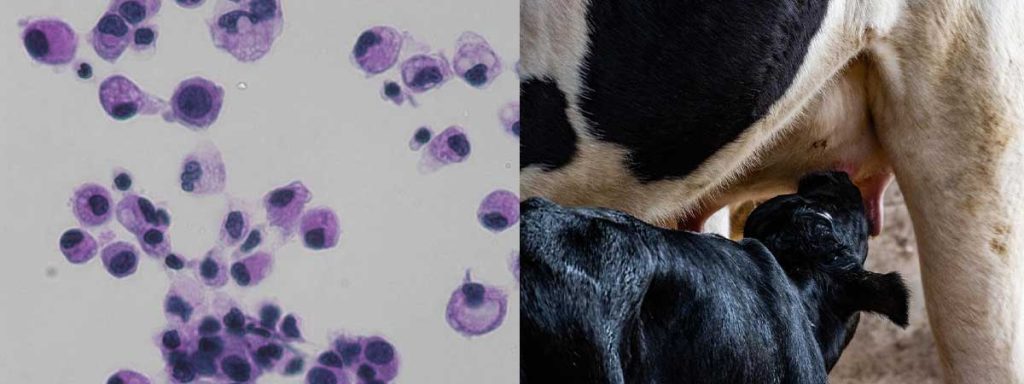
Somatic cell counts serve as a key indicator of udder health and milk quality. High somatic cell counts signal inflammation or infection in the udder, often due to clinical mastitis. Cows with hoof disorders, especially those suffering from lameness or hoof infections, tend to have higher somatic cell counts. This increase reflects both subclinical and clinical mastitis cases. Elevated somatic cell counts reduce milk yield and lower milk quality, affecting farm profitability.
Mastitis control strategies must focus on reducing hoof disorders to maintain low somatic cell counts. Early detection and treatment of hoof problems help prevent the spread of infection and lower the risk of clinical mastitis. Regular monitoring of somatic cell counts allows farmers to identify cows at risk and take action before milk quality declines. By integrating hoof health management with mastitis control, dairy producers can improve udder health, reduce clinical mastitis, and ensure high-quality milk production.
Tip: Consistent hoof trimming, prompt treatment of hoof lesions, and maintaining clean environments support both mastitis control and optimal somatic cell counts.
Nutrition and Preventive Care
Diet and Hoof Health
Proper nutrition forms the foundation for both hoof and udder health in dairy cattle. The right diet supports tissue integrity, joint function, and immune response, especially during stressful periods like calving or heat stress. Several nutritional factors play a key role in prevention:
- High sugar and starch in concentrates can create an acidic rumen environment, leading to inflammation and hoof problems.
- Adequate fiber helps maintain rumen pH and a balanced microbial community, reducing the risk of digital dermatitis and laminitis.
- Essential minerals and vitamins, such as selenium, zinc, copper, and biotin, are crucial for strong hooves and prevention of lameness.
Zinc often appears marginally deficient in forages, which can compromise hoof health. Since zinc is vital for skin and hoof integrity, supplementation becomes necessary, especially when high iron levels hinder absorption. Trace minerals like copper and manganese also support collagen synthesis and keratin formation, reinforcing hoof structure and aiding in prevention of disorders.
Preventive Hoof Care
Routine hoof trimming stands as a cornerstone of prevention in dairy herds. Regular hoof trimming reduces the risk of overgrowth, lameness, and subsequent infections. Preventive practices include:
- Scheduling hoof trimming at least twice a year.
- Monitoring for early signs of hoof lesions.
- Maintaining clean, dry bedding to minimize pathogen exposure.
These steps not only protect hoof health but also contribute to udder health improvements by reducing the risk of environmental contamination. Prevention through proper hoof care ensures cows remain mobile, comfortable, and productive.
Supporting Udder Health
A balanced diet with essential nutrients supports udder health promotion and overall immune function. The following table highlights the impact of dietary supplements on udder health:
| Evidence Type | Findings |
|---|---|
| Trace Minerals | Copper, iodine, cobalt, and selenium improve immune function and reduce oxidative stress, enhancing udder health. |
| Mastitis Reduction | Supplementation correlates with lower somatic cell counts and reduced mastitis incidence. |
| Nutritional Role | A balanced diet with essential nutrients supports immune response and overall udder health. |
Trace minerals, including zinc, copper, selenium, manganese, and iodine, play a critical role in prevention of both hoof and udder disorders. Ensuring adequate but not excessive levels of these nutrients helps maintain optimal dairy cow performance and welfare.
Monitoring and Early Detection
Signs of Hoof Problems
Farmers can spot hoof problems early by observing changes in cow behavior and appearance. Cows with hoof pain often walk slowly or limp. They may spend more time lying down and less time eating. Swelling, heat, or visible lesions on the hoof signal a need for immediate attention. Early detection of these signs helps prevent clinical mastitis and subclinical mastitis. When cows show discomfort, they may rest in dirty areas, which increases the risk of udder health issues and mastitis.
Tip: Regular observation during milking or feeding times allows for quick identification of lameness and other hoof disorders.
Early Udder Health Indicators
Udder health problems often appear before severe symptoms develop. Swelling, redness, or heat in the udder can indicate the start of clinical mastitis. Clots or changes in milk consistency also serve as warning signs. A sudden drop in milk yield may point to subclinical mastitis. Monitoring somatic cell counts helps detect udder infections early. Early intervention supports mastitis control and reduces the spread of disease within the dairy herd.
Integrated Health Monitoring Tools
Modern dairy farms use technology to track cow health and behavior. Integrated health monitoring systems use sensors and artificial intelligence to detect changes in mobility and udder health. These systems alert farmers to early signs of clinical mastitis, hoof disorders, and subclinical mastitis. The approach works much like somatic cell count test kit. On the farm, these tools provide real-time data for fast decision-making.
| Evidence Type | Description |
|---|---|
| Disease Management | The project utilizes Cyber-Physical Systems (CPS) and AI for real-time disease detection and tracking cow mobility patterns. |
| Expected Outcome | The integrated system aims to significantly reduce disease incidence in dairy herds through timely interventions and optimized herd management. |
| Collaboration | The project is being implemented in collaboration with a dairy farm in Tennessee, indicating practical application and potential for broader impact. |
Early detection and monitoring support mastitis control, improve udder health, and help prevent clinical mastitis. By using these tools, dairy farmers can protect both hoof and udder health, ensuring better outcomes for the entire herd.
Conclusion
Effective health management in dairy herds requires a focus on both hoof and udder health. Janssen’s research shows that regular hoof trimming and clean environments support cow comfort and productivity. Farms that prioritize health management see higher margins per cow and improved welfare. Early detection through sensor technologies and machine learning models enhances health management by identifying disorders quickly. The following table highlights practical health management strategies that improve both hoof and udder health:
| Strategy | Adoption Rate |
|---|---|
| Footbaths for lactating cows | 70% FS |
| Targeted dry-off protocols | >80% of herds |
| Teat sealant use | 45% reported |
Farmers who apply these health management practices protect herd health, increase productivity, and promote animal welfare.
FAQ
How Does Hoof Health Impact Udder Health in Dairy Herds?
Hoof health directly affects udder health in dairy herds. Cows with poor foot health often spend more time lying in dirty areas. This behavior increases the risk of udder disorders and mastitis. Dairy producers monitor both hoof and udder conditions to maintain herd productivity.
What Are the Most Common Udder Disorders in Dairy Herds?
Mastitis and udder cleft dermatitis are the most common udder disorders in dairy herds. These conditions can reduce milk quality and yield. Dairy producers use regular health checks and proper hygiene to prevent these issues and protect the herd.
Why Should Dairy Producers Focus on Both Hoof and Udder Health?
Dairy producers who focus on both hoof and udder health see better results in dairy herds. Healthy cows move more, eat better, and produce higher-quality milk. This approach supports animal welfare and increases profits in the dairy industry.
How Can Dairy Producers Detect Problems Early in Dairy Herds?
Dairy producers observe cow behavior and use monitoring tools to detect early signs of lameness or udder disorders in dairy herds. Quick action prevents disease spread. Technology helps track mobility and udder health, allowing for timely interventions.
What Preventive Steps Help Maintain Healthy Dairy Herds?
Routine hoof trimming, balanced nutrition, and clean bedding help maintain healthy dairy herds. Dairy producers also provide trace minerals and monitor for early signs of disease. These steps reduce the risk of udder disorders and improve overall herd health.