



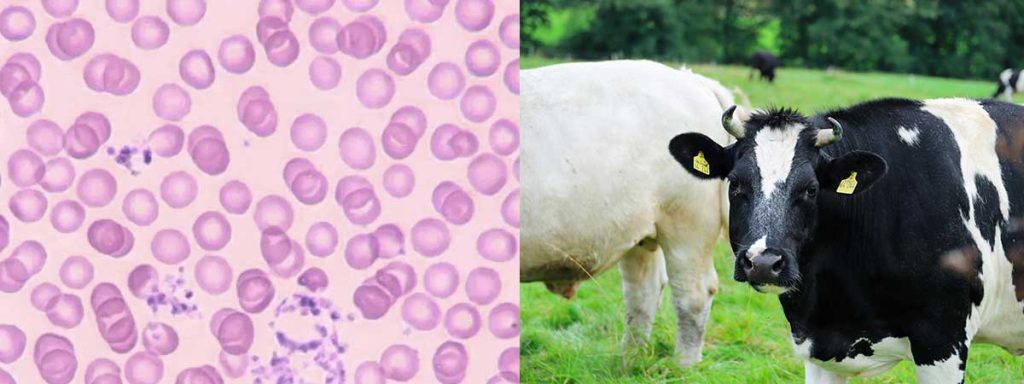
High temperatures during the summer months create significant challenges for dairy herds. Somatic cell count in dairy cattle rises sharply in this season, as shown in the table below:
| Season | Somatic Cell Count (log10 cell/mL) |
|---|---|
| Summer | 44.21 |
| Winter | 3.72 |
| Spring | 3.89 |
| Autumn | 3.84 |
Heat stress triggers physiological changes in cows:
- Increased stress hormones weaken immune defenses.
- High humidity and temperature allow bacteria to thrive.
- Cows become more vulnerable to mastitis.
Practical cooling methods and regular monitoring with a tester help control these issues. However, improper cooling—such as leaving bedding wet—can increase bacterial contamination and infection risks.
Key Takeaways
- High temperatures in summer increase somatic cell count in dairy cattle. Farmers must monitor heat stress signs to protect herd health.
- Implement cooling strategies like shade, fans, and sprinklers to lower stress and improve cow comfort. This helps maintain a healthy somatic cell count.
- Regularly check and maintain bedding to keep it clean and dry. This reduces bacterial growth and lowers the risk of infections.
- Use a somatic cell count tester weekly to track changes. Early detection of rising counts allows for quick adjustments to cooling methods.
- Combine multiple cooling strategies for the best results. Proactive management leads to healthier cows and improved milk quality.
Why SCC Rises in Summer?
Heat Stress Effects
Dairy cattle experience high levels of stress during summer. Rising temperatures and humidity place extra demands on their bodies. Cows become heat stressed when they cannot cool themselves efficiently. Their core body temperature increases, which triggers a series of physiological responses. The immune system weakens, making cows more susceptible to infections. Mastitis cases often increase as a result. Farmers notice spikes in somatic cell counts because the cow’s body sends more white blood cells to fight off infection. These cells accumulate in the milk, raising the somatic cell count.
Tip: Farmers can observe signs of heat stress by watching for reduced feed intake, increased breathing rate, and cows seeking shade.
Bacterial Contamination in Bedding
Warm weather creates ideal conditions for bacteria to multiply. Moisture from sweat, urine, and water used for cooling collects in bedding. If bedding stays wet, bacteria thrive and spread quickly. Cows lying on contaminated bedding face a higher risk of udder infections. Clean, dry bedding helps prevent these problems. Farmers must manage cooling systems carefully to avoid excess moisture. They should check bedding daily and replace it when needed. Proper ventilation also reduces humidity and limits bacterial growth.
- Clean bedding lowers infection risk.
- Dry environments discourage bacteria.
- Regular maintenance supports cow health.
A combination of heat stress and bacterial contamination explains why somatic cell counts rise in summer. Farmers who understand these factors can take steps to protect their herds and improve milk quality.
Cooling and SCC
How Cooling Reduces Somatic Cell Count in Dairy Cattle
Cooling strategies help dairy cattle maintain normal body temperature during hot weather. When cows stay cool, their immune systems work more efficiently. Heat stress causes cows to produce more stress hormones, which weakens their defenses. Cooling methods, such as fans and shade, reduce stress and support healthy immune function. Clean and dry environments also play a key role. Dry bedding prevents bacteria from multiplying. Farmers who manage cooling systems well keep bedding dry and limit moisture. This reduces the risk of mastitis and lowers somatic cell count in dairy cattle.
Proper cooling not only protects cows from heat stress but also prevents bacterial growth in bedding. Farmers should combine shade, ventilation, and dry bedding for best results.
Mismanaged cooling can create problems. Wet bedding from overuse of sprinklers or poor drainage increases infection risk. Cows exposed to damp conditions face higher chances of udder infections. Farmers must check bedding daily and adjust cooling systems to avoid excess moisture.
Monitoring with Somatic Cell Count Tester
Regular monitoring helps farmers track the effectiveness of cooling strategies. A somatic cell count tester provides quick and accurate results. Farmers use this tool to measure somatic cell count in dairy cattle and identify trends. If SCC levels rise, they can adjust cooling methods or improve bedding management. Consistent testing ensures early detection of problems and supports herd health.
- Farmers should test milk samples weekly.
- Early detection allows for prompt action.
- Monitoring helps maintain milk quality.
Tip: Using a somatic cell count tester alongside cooling strategies gives farmers confidence in their management decisions.
10 Cooling Strategies
Provide Adequate Shade
Shade protects dairy cows from direct sunlight. Trees, shade cloths, or permanent structures lower the temperature in resting and feeding areas. Cows seek out shade to cool themselves. Shade reduces heat stress, which helps maintain a healthy somatic cell count in dairy cattle. Farmers should check that all cows have access to shade throughout the day. They can combine shade with other cooling methods for better results.
Use High-Efficiency Fans
High-efficiency fans move air quickly and evenly through barns. These fans lower the temperature and humidity around dairy cows. Improved airflow helps cows release body heat. The table below shows the impact of high-efficiency fans compared to box ventilators:
| Aspect | Experimental Group (High-Efficiency Fans) | Control Group (Box Ventilators) |
|---|---|---|
| Air Velocity | 1.5–2.5 m/s | 0.2–0.5 m/s |
| Body Temperature | Significantly lower in 3 of 4 periods | Higher than experimental group |
| Eating Time | Increased later in the study | N/A |
| THI Values | Frequently surpassed heat stress threshold | N/A |
| Milk Yield | Increased | N/A |
High-efficiency fans keep cows comfortable and encourage them to eat more feed. This supports higher production and helps lower somatic cell count in dairy cattle.
Install Sprinklers and Soakers
Sprinklers and soakers cool cows by wetting their skin, not their bedding. These systems work best when paired with fans. The water evaporates from the cow’s body, removing heat. Farmers must avoid overuse to prevent wet bedding.
The automatic spray cooling method reduced cow body temperatures and somatic cell count; increased dry matter intake, milk yield and fat, and improved rumen fermentation functions, effectively alleviating heat stress in cows.
Sprinklers and soakers help cows stay cool and healthy. They also support better feed intake and milk production.
Improve Barn Ventilation
Good ventilation removes hot, humid air from barns. It brings in fresh air and reduces the buildup of heat and moisture. Proper ventilation lowers the risk of bacterial growth in bedding. Farmers can use natural airflow, ridge vents, or mechanical systems. They should check for blocked vents and keep air moving. This helps maintain a dry environment and supports healthy dairy cows.
Cool Holding Areas
Holding areas often become crowded and hot. Cows waiting for milking can suffer from heat stress in these spaces. Farmers should install fans and sprinklers in holding areas. They can also provide shade and improve airflow. Cooling these areas keeps cows comfortable before milking. This reduces stress and helps control somatic cell count in dairy cattle.
Nighttime Grazing or Feeding
Cows feel cooler and more comfortable at night. Farmers can shift grazing or feeding to the evening or early morning. Cows eat more feed when temperatures drop. This supports better production and reduces heat stress. Nighttime routines help cows maintain a healthy immune system.
Ensure Fresh Water Access
Cows need more water during hot weather. Clean, cool water helps regulate body temperature. Farmers should check water troughs often and keep them full. They can place water sources near shade and feeding areas. Adequate water intake supports feed digestion and milk production. It also helps cows fight off infection.
Manage Feed During Heat
Heat stress lowers feed intake. Farmers should offer high-quality feed that is easy to digest. They can feed smaller amounts more often to encourage eating. Using farm produced feeds ensures freshness and quality. Farmers should remove spoiled feed quickly to prevent bacterial growth. Proper feed management supports cow health and production.
Maintain Clean, Dry Bedding
Dry bedding prevents bacteria from multiplying. Farmers should check bedding daily and replace wet spots. They must avoid overusing sprinklers and fix leaks quickly. Clean bedding lowers the risk of mastitis and infection. This helps control somatic cell count in dairy cattle. Good bedding management supports cow comfort and health.
Tip: Combining shade, fans, and soakers gives the best cooling results. Farmers must always keep bedding dry to avoid infection.
Regular SCC Testing
Regular testing helps farmers track changes in somatic cell count in dairy cattle. A somatic cell count tester provides fast and accurate results. Farmers can test milk samples weekly to spot problems early. If counts rise, they can adjust cooling or bedding practices. Consistent testing supports herd health and milk quality. It also helps farmers evaluate the success of their cooling strategies.
Implementation & Monitoring
Step-By-Step Plan
Farmers can follow a clear plan to apply cooling strategies and reduce somatic cell count in dairy cattle. First, they should assess the current barn environment. They can check for areas with poor airflow or direct sunlight. Next, they should install high-efficiency fans and provide adequate shade. Sprinklers and soakers can help cool cows, but farmers must avoid wetting bedding. Clean, dry bedding remains essential for preventing mastitis. Farmers should also adjust feeding times to cooler parts of the day. They can offer fresh water and monitor nutrient availability to support cow health during heat stress.
A simple checklist helps farmers stay organized:
- Inspect barn for heat and humidity issues.
- Set up fans, shade, and sprinklers.
- Check bedding daily for moisture.
- Adjust feeding and watering schedules.
- Monitor cow behavior for signs of heat stress.
Tip: Farmers should train staff to recognize early signs of heat stress and bedding problems.
Tracking SCC Results
Regular monitoring ensures that cooling strategies work effectively. Farmers can use a somatic cell count test kit to check milk samples each week. This tool provides fast results and helps detect rising somatic cell counts before problems worsen. If counts increase, farmers can review their cooling and bedding practices. They may need to adjust fan settings or reduce sprinkler use. Ongoing evaluation allows for quick responses to changing conditions. Tracking results over time helps farmers identify patterns and make informed decisions.
A simple table can help track weekly SCC results:
| Week | SCC (cells/mL) | Actions Taken |
|---|---|---|
| 1 | 180,000 | Installed new fans |
| 2 | 160,000 | Improved bedding |
| 3 | 140,000 | Adjusted sprinklers |
Consistent monitoring and timely adjustments protect herd health and maintain milk quality.
Conclusion
Combining multiple cooling strategies helps dairy farmers lower somatic cell count in cattle during summer. Regular monitoring with a somatic cell count tester supports early detection of problems. Proper management of shade, fans, and bedding keeps cows healthy and productive.
Proactive steps protect herd health and improve milk quality. Farmers who act early see better results throughout the hot season.
- Lower SCC means healthier cows
- Consistent cooling boosts milk yield
- Early action prevents costly infections
FAQ
What Is a Safe Somatic Cell Count for Dairy Cattle?
A safe somatic cell count (SCC) for dairy cattle usually stays below 200,000 cells per milliliter. Lower SCC values indicate healthier cows and higher milk quality.
How Often Should Farmers Test Somatic Cell Count in Summer?
Farmers should test SCC at least once a week during summer. Frequent testing helps detect problems early and allows for quick adjustments to cooling or bedding practices.
Can Overusing Sprinklers Increase Infection Risk?
Yes. Overusing sprinklers can leave bedding wet. Wet bedding creates a perfect environment for bacteria, which increases the risk of mastitis and raises SCC.
Why Do Cows Need More Water During Hot Weather?
Cows lose more water through sweating and breathing in hot weather. They need extra water to stay cool, maintain milk production, and support their immune systems.
Do All Cooling Strategies Work Equally Well for Every Farm?
No. Each farm has unique needs based on climate, barn design, and herd size. Farmers should combine strategies and adjust them to fit their specific situation.