
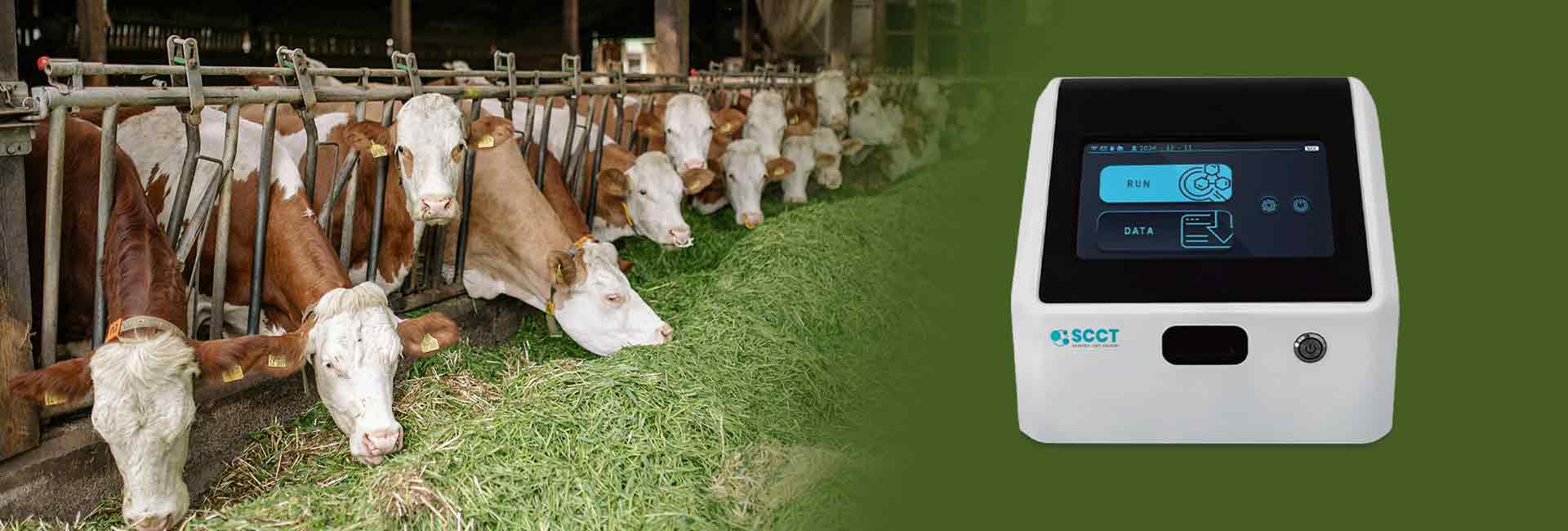


Proper preparation of milk samples ensures reliable results from a somatic cell count tester. Clean techniques and consistent handling help prevent errors. Many issues stem from improper preparation or contamination, which can lead to inaccurate readings.
- Improper sample preparation often causes excessive debris, clumped cells, or uneven suspension.
- Contamination by bacteria or fungi may distort test outcomes.
Attention to hygiene and correct storage keeps samples fresh and stable for accurate testing.
Key Takeaways
- Proper sample preparation is crucial for accurate somatic cell count results. Clean techniques prevent contamination and ensure reliable readings.
- Always use sterile equipment and clean teats before sampling. This practice reduces the risk of introducing bacteria and improves sample integrity.
- Store milk samples on wet ice immediately after collection. Keeping samples cool slows bacterial growth and maintains accuracy.
- Label each sample clearly with essential information. Proper labeling prevents mix-ups and supports traceability during testing.
- Follow consistent sampling protocols, such as discarding initial milk streams. This step helps ensure that the sample reflects the true somatic cell count.
Why Accurate Samples Matter?
Somatic Cell Count Tester Accuracy
Accurate milk samples play a key role in the performance of a somatic cell count tester. When samples are fresh and properly prepared, the tester can deliver results that closely match laboratory standards. Researchers have found strong agreement between the somatic cell test and electronic cell counting methods.
- The correlation between the somatic cell test and electronic enumeration reached 0.92, showing high consistency.
- The kappa coefficient measured 0.82, indicating strong reliability.
- With a threshold of 205,000 cells/mL, the sensitivity for detecting intramammary infections reached 91.3%, while specificity was 96.0%.
These numbers show that a somatic cell count tester can provide dependable results when users follow correct sampling procedures. Reliable readings help dairy producers monitor udder health and make informed decisions.
Impact of Improper Milk Sampling
Improper milk sampling can reduce the precision of a somatic cell count tester. Variations in sample preparation often lead to inconsistent results.
- Studies show that the quality of sample preparation affects the precision of somatic cell count readings.
- Online tests, such as the California Mastitis Test, may show lower quality control and calibration compared to laboratory-based somatic cell count testers.
- Averaging multiple readings over a 24-hour period can improve accuracy, but poor sample handling still causes discrepancies.
When users do not follow proper procedures, somatic cell counts may not reflect the true condition of the milk. This can result in missed infections or unnecessary treatments. Consistent and careful sample preparation ensures that the somatic cell count tester provides accurate and actionable data.
Equipment for Milk Sampling
Collection Tools
Accurate milk culture sampling starts with the right collection tools. Dairy workers use manual agitators to mix milk thoroughly before taking a sample. This step ensures the sample represents the entire batch. Small vessel agitators work well for smaller containers, creating enough turbulence without causing spills. Stainless steel dippers remain the preferred choice for liquid milk. These dippers prevent contamination and allow for easy sterilization. Quality dippers often feature seamless construction, capacity markings, and ergonomic handles. Specialized tools may be necessary for solid dairy products, as these require unique approaches.
| Method of Pooling | Contamination Rate (%) | Notes |
|---|---|---|
| On-farm pooling | Higher rates | More likely to have true contamination within individual quarters. |
| Laboratory pooling | 10.3% | Lower rates of true contamination; many cases attributed to intramammary infections across quarters rather than contamination. |
Tip: Using sterile sample vials helps maintain the integrity of the milk sample and reduces contamination risk.
Cleaning Supplies
Proper cleaning supplies play a crucial role in sample preparation. Workers should use brushes, hot water, and approved detergents to clean all equipment before and after use. Disinfectants help eliminate bacteria and other contaminants. Single-use gloves and paper towels further reduce the risk of introducing foreign material. Consistent cleaning routines ensure that each sample remains uncontaminated and suitable for testing.
Storage Materials
Storage materials protect milk samples from spoilage and degradation. Milk with preservative remains stable for 7 to 10 days at temperatures between 40°F to 70°F. Non-preserved milk requires immediate refrigeration and should reach the laboratory within 24 hours. Studies show that milk samples stored at 4°C stay stable for somatic cell count testing for up to two weeks. Freezing extends shelf life, but a gradual decrease in somatic cell count may occur with long-term refrigeration. Reliable storage practices ensure accurate results and support the overall quality of the testing process.
Milk Sampling Steps
Preparing for Proper Milk Sampling
Dairy workers must follow strict guidelines to ensure proper milk sampling. They begin by washing and drying their hands with a clean paper towel. Clean hands reduce the risk of introducing contaminants during sample collection. Workers prepare the udder by cleaning and drying each teat. They use a sterile swab or cotton ball soaked in alcohol for each teat. This step removes dirt and bacteria, which can affect the accuracy of the somatic cell count tester.
Agitation of the milk tank for at least five minutes is essential before sampling. This process mixes the milk thoroughly and ensures sample homogeneity. Workers use manual or mechanical agitators to achieve even distribution of somatic cells throughout the tank. Proper agitation prevents uneven cell counts and improves the reliability of results.
Tip: Consistent agitation before sampling helps maintain the integrity of milk samples and supports accurate testing.
Collecting Samples
Workers must use sterile syringes or dippers to collect milk samples. Disinfection with ethanol and the use of plastic covers on syringes help prevent bacterial contamination. Microbiological analysis shows that bacteria can penetrate the fluid in a syringe barrel, so strict hygiene is necessary. Workers take samples from the top of the tank to avoid sediment and ensure a representative sample.
The recommended protocol for sample collection includes several steps:
- Ensure lactometers are clean and calibrated.
- Complete the milking process.
- Record the quantity of milk, excluding foam.
- Confirm that the sampling bottle contains a preservative pill if required.
- Mix the milk properly using the appropriate method for the system.
- Transfer an aliquot of milk to the bottle, leaving space between the line and the cap.
- Cap the bottle securely.
- Identify the bottle with a bar code or label.
- Dissolve and disperse the pill immediately after milking.
- Minimize transfer of milk residues between cows.
- Protect the sample against extreme temperatures and refrigerate.
- Ship the samples to the laboratory as soon as possible.
Workers must discard the initial milk streams before collecting the sample. This practice removes contaminants and ensures the sample reflects the true somatic cell count. The following table shows how discarding foremilk affects cell counts:
| Condition | Foremilk SCC (cells/ml) | Total SCC (cells/ml) |
|---|---|---|
| Healthy Cow | 100,000 – 1,000,000 | 250,000 |
| Mastitic Cow | 1,500,000 – 2,500,000 | 500,000+ |
To achieve consistent results, workers should collect milk samples over four to five days. This approach accounts for daily variations and provides a more accurate assessment. When possible, they should use eight fresh samples to improve reliability.
Note: Workers must cool or freeze samples immediately after collection and keep them cool until arrival at the laboratory.
Labeling and Sealing

Proper labeling and sealing prevent sample mix-ups and identification errors. Workers must thoroughly clean and sterilize containers before use. Labels should be waterproof and clearly readable. Each label must include sample identification, collection date and time, source location, and any special handling requirements.
- Workers cap the bottle immediately after collecting the sample.
- They use secure seals to prevent leaks and contamination.
- Accurate labeling ensures that each sample can be traced back to its source.
Callout: Proper labeling and sealing are critical steps in milk sampling. These practices protect sample integrity and support reliable somatic cell count testing.
Sample Storage and Transport
Storing Milk Samples
Proper sample storage plays a vital role in preserving the integrity of milk samples for somatic cell count testing. Dairy workers should store the sample on wet ice immediately after collection. The ice should surround the container but must not cover the top or allow water to seep over the sample. This method prevents contamination and maintains the freshness of the samples.
Immediate cooling slows bacterial growth and keeps the somatic cell count stable. The following table shows the optimal temperature and time limits for storing milk samples before testing:
| Temperature (°C) | Storage Duration (hours) | Bacterial Growth Observations |
|---|---|---|
| 2 | Up to 96 | No increase in total bacterial counts |
| 4 | Up to 96 | No increase in total bacterial counts |
| 6 | 48 | Significant bacterial growth observed |
Workers should always aim to keep samples at 2°C to 4°C and deliver them for testing within 96 hours. Delays or improper temperatures can lead to bacterial growth, which affects the accuracy of results. If immediate testing is not possible, freezing the samples can help preserve them, but this may cause a gradual decrease in cell count over time.
Transporting Samples
Transporting milk samples requires careful handling to maintain their quality. Workers should use insulated containers with wet ice to keep samples cold during transit. They must avoid letting ice or water touch the top of the sample container. This prevents contamination and ensures the samples remain suitable for testing.
Best practices for transporting milk samples include:
- Keep the inlet valve on the tanker closed except during pumping.
- Turn off the pump before the tanker reaches full capacity to prevent overflow.
- Keep the dome lid closed and locked to minimize airborne contamination.
- Use filtered air to remove residual milk from hoses before leaving the premises.
- Handle transfer hoses carefully to avoid external contamination.
- Use single-use sterilized sampling equipment to collect milk samples.
Workers should label each sample clearly and deliver them to the laboratory as soon as possible. Timely delivery ensures that testing occurs within the recommended time frame, preserving the accuracy of the results. Proper sample storage and transport help dairy producers obtain reliable somatic cell count data.
Tips and Common Mistakes
Proper Milk Sampling Tips
Dairy workers can improve the accuracy of somatic cell count testing by following several practical tips. Consistent attention to detail during milk sampling helps prevent contamination and ensures reliable laboratory analysis. The following list highlights effective strategies:
- Seal and label each milk vial immediately after collection. Workers should include the date, time, and source on every label.
- Store the milk sample in a cooler with ice packs. Refrigeration preserves freshness and slows bacterial growth.
- Collect milk samples at the same time each day. This protocol allows for consistent comparison and reduces variability.
- Clean hands and equipment between animals to avoid cross-contamination. Workers should never skip this step.
- Follow laboratory guidelines for milk sampling and handling. Each lab may have specific requirements for sample volume or preservative use.
- Record observations about milk appearance or cow behavior. Noting changes can help identify potential issues before laboratory analysis.
- Clean each teat thoroughly before sampling. This step prevents environmental contamination and protects sample integrity.
- Use only fresh, sterile vials for milk collection. Dirty containers can introduce residues that affect results.
- Cool milk samples without delay. Warm milk degrades quickly and may produce inaccurate somatic cell counts.
Tip: Dairy workers should always use a preservative when required by the laboratory protocol. This practice extends the stability of milk samples and supports accurate testing.
Mistakes to Avoid
Common mistakes during milk sampling can lead to inaccurate somatic cell count results. Workers must recognize and avoid these errors to maintain sample quality:
- Skipping teat cleaning allows environmental contamination to enter the milk sample.
- Reusing dirty vials introduces residues that can skew laboratory analysis.
- Delaying cooling causes milk degradation, which affects bacterial counts and chemical stability.
- Failing to follow the recommended protocol for sample collection increases the risk of contamination.
- Neglecting to record observations about milk appearance or cow health may result in missed signs of infection.
- Using improper storage methods can compromise milk quality before laboratory analysis.
- Allowing cross-contamination between samples by not cleaning equipment or hands between cows can distort results.
| Mistake | Impact on Milk Sample | Prevention Method |
|---|---|---|
| Skipping teat cleaning | Environmental contamination | Clean teats before sampling |
| Reusing dirty vials | Residue contamination | Use fresh, sterile vials |
| Delaying cooling | Milk degradation | Cool samples immediately |
Callout: Adhering to best practices, such as maintaining excellent milking hygiene and following a consistent protocol, reduces the frequency of errors and improves the reliability of somatic cell count testing.
Conclusion

Dairy workers achieve reliable somatic cell count results by following key steps: cleaning teats, discarding initial milk streams, using sterile equipment, and storing samples on ice. These practices improve sample quality and support accurate testing.
| SCC Level (log10 cells/mL) | Implications for Milk Quality | References |
|---|---|---|
| >5.602 | Milk unfit for human consumption in the EU | N. Li et al., 2014 |
| >5.301 | Indicates subclinical mastitis | Khasanah et al., 2021; Tripaldi et al., 2010 |
| <5.301 | Healthy milk, no subclinical mastitis | Hamann, 2002; Smith & Idf, 2001; Tripaldi et al., 2010 |
Proper sampling and storage methods—such as washing teats, discarding foremilk, and refrigerating samples—help maintain SCC accuracy. Avoiding errors during sampling ensures results reflect herd health and milk quality. Automatic counting systems now reach up to 99.47% accuracy, showing the value of best practices.
FAQ
How Long Can Milk Samples Stay Fresh Before Testing?
Milk samples stay fresh for up to 96 hours when stored at 2°C to 4°C. Immediate cooling after collection prevents bacterial growth. Freezing extends shelf life, but cell counts may decrease over time.
Why Should Workers Discard the First Milk Streams?
Workers discard the first milk streams to remove contaminants from the teat canal. This step ensures the sample reflects the true somatic cell count and improves test accuracy.
What Is the Best Way to Label Milk Samples?
Workers should use waterproof labels with clear writing. Each label must include the sample ID, collection date, time, and source. Proper labeling prevents mix-ups and supports traceability.
Can Preservatives Affect Somatic Cell Count Results?
Preservatives help maintain sample stability during transport. Most do not affect somatic cell counts, but workers should follow laboratory guidelines for type and amount used.
What Happens If Samples Warm Up During Transport?
If samples warm up, bacteria can multiply quickly. This growth may change the somatic cell count and lead to inaccurate results. Workers should always keep samples cold with wet ice.