



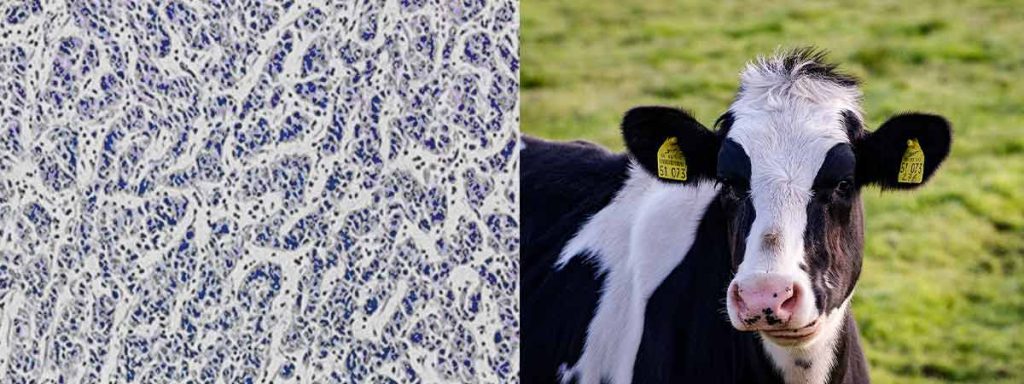
Farmers often seek the most reliable methods to confirm recovery after treatment for mastitis in cattle. Physical checks and milk testing together provide the strongest assurance of real recovery. Somatic cell counts alone do not tell the full story. Only 21.4% of dairy cattle achieve full recovery with standard treatment. Early detection through frequent monitoring leads to timely intervention, lower treatment costs, and reduced milk loss. Automated sampling models can also help identify problems early. Consistent checks at 24 hours, 48 hours, four weeks, and thirty days play a key role in preventing recurrence.
Key Takeaways
- Perform physical checks at 24 hours post-treatment to assess udder heat and firmness. This helps identify ongoing inflammation early.
- Monitor eating behavior at 48 hours. Cows that resume normal feeding are more likely to recover, while decreased appetite may indicate ongoing issues.
- Combine physical examinations with milk testing for accurate recovery assessment. Relying solely on somatic cell counts can be misleading.
- Schedule regular follow-ups at four weeks and thirty days after treatment. Low recovery rates may require alternative strategies and closer monitoring.
- If recovery is not confirmed, consider advanced diagnostic tools and adjust treatment plans. Timely interventions can prevent chronic mastitis.
Post-Treatment Checks for Mastitis in Cattle
Udder Heat and Firmness at 24 Hours
Physical examination remains the foundation for early mastitis detection in lactating cows. At 24 hours after treatment, a person should check the udder for heat, swelling, and firmness. These signs often indicate ongoing inflammation. Visual inspection and gentle palpation can reveal changes that laboratory tests might miss. Stripping milk and observing its appearance helps identify clinical and subclinical mastitis. Clots, discoloration, or watery consistency suggest that recovery is incomplete. Early mastitis detection through these methods allows for prompt intervention, reducing the risk of chronic infection.
Tip: Physical checks at 24 hours should never be replaced by somatic cell count monitoring alone. Laboratory results can sometimes show high values even in healthy cows, so context matters.
Eating and Recovery Signs at 48 Hours
Behavioral changes at 48 hours provide valuable clues about recovery from mastitis in cattle. Cows that resume normal eating patterns and show increased feeding activity are more likely to recover. Reduced feeding or lack of interest in food often signals ongoing illness. The following table summarizes key behavioral changes and their link to recovery:
| Time Phase | Behavioral Changes | Indicators of Recovery |
|---|---|---|
| Phase 1 (0-12h) | Increased discomfort | High plasma cortisol levels |
| Phase 2 (12-24h) | Less attentive, postural changes less frequent | High SCC, increased rumen temperature |
| Phase 3 (32-80h) | No behavioral changes | Decreased bacterial concentrations, high haptoglobin and SAA levels |
Feeding behavior also predicts outcomes for lactating cows. The table below shows how eating patterns relate to recovery:
| Observation | Feeding Behavior | Recovery Outcome |
|---|---|---|
| Cows that cured | Increased feeding activity | More likely to recover from mastitis |
| Cows that did not cure | Decreased feeding behavior | Less likely to recover from mastitis |
Early mastitis detection includes monitoring eating and rumination. Cows that eat well at 48 hours usually have a better prognosis. Those that do not improve may need further evaluation for subclinical mastitis.
General Health and Behavior
General health checks help confirm recovery and detect subclinical mastitis. Observers should monitor the following:
- Changes in cow behavior, such as alertness and social interaction
- Body temperature, as fever may indicate persistent infection
- Rumination patterns, since healthy cows chew cud regularly
- Eight milk parameters, including yield, electrical conductivity, fat, protein, lactose, and citrate percentages
- Somatic cell counts, which can rise in both clinical and subclinical mastitis
Understanding these parameters improves early mastitis detection and helps identify subclinical mastitis before it affects milk production. Physical examination findings, such as udder appearance and milk quality, should always be interpreted alongside laboratory results. This combined approach ensures accurate assessment and reduces the risk of missing ongoing infection.
Note: Early mastitis detection relies on both physical checks and laboratory tests. Neither method alone provides a complete picture of recovery.
Milk Testing and Lab Assessment
Somatic Cell Count Tester Use
Somatic cell count tester plays a key role in detecting mastitis after treatment. The device shows high accuracy, with an area under the ROC curve of 0.930. The tester can correctly identify 93% of mastitis cases. At a threshold of 310,000 cells/ml, sensitivity reaches 92.6% and specificity 91.5%. The overall accuracy stands at 89.2%. Farmers should collect the first post-treatment milk sample at the first milking after the last treatment. They should take samples from the treated quarter, pooled milk from the three non-treated quarters, and a whole udder sample. Each sample should measure 5 to 7 mL and be placed in a sterile 10 mL tube, starting with the closest teat to avoid contamination.
Note: Somatic cell count results provide valuable information, but physical checks and other tests must support these findings. A single high somatic cell count does not always mean a treatable infection.
Bacterial Culture and Sensitivity
Bacterial culture helps confirm mastitis cure by identifying the pathogens present. On-farm culture (OFC) can guide treatment decisions for clinical mastitis. The effectiveness of OFC depends on the specific pathogens and herd circumstances. Farmers should monitor clinical mastitis outcomes, including recurrence rates and somatic cell counts, to assess treatment success. Antibiotic sensitivity testing helps direct treatment choices after identifying mastitis-causing bacteria. Veterinarians should interpret these results to ensure the best outcome.
Interpreting Results
Interpreting milk testing and lab results requires a combined approach. The following table summarizes key tests and their roles:
| Test Type | Description |
|---|---|
| Antibiotic Sensitivity Testing | Helps direct treatment choices after identifying mastitis-causing pathogens. Consult a veterinarian. |
| Bacteria Quantification | Tests for mastitis-causing pathogens, determining both bacterial flora composition and load. |
| Somatic Cell Count (SCC) | Counts somatic cells in milk, indicating response to pathogenic bacteria causing mastitis. |
High somatic cell count signals ongoing infection, but context matters. Farmers should schedule regular 30-day monitoring intervals and evaluate cure rates at four weeks. If less than 50% of cows show recovery, further action is needed. Combining physical checks, somatic cell count, and lab tests ensures the most accurate assessment of mastitis recovery.
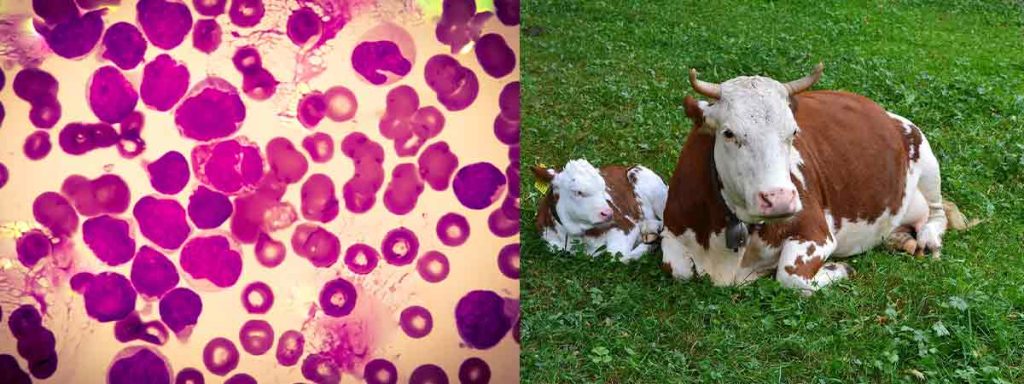
Monitoring Clinical Mastitis Recovery
Signs of Clinical Mastitis Recovery
Farmers and veterinarians look for clear signs when assessing recovery from clinical mastitis. Healthy cows show improved general health, active rumination, and normal feeding behavior. The udder returns to its usual temperature and softness. Milk appears free of clots or discoloration. Laboratory findings can support these observations. The following table shows how clinical signs relate to lab results:
| Parameter | Observation | Implication |
|---|---|---|
| Haematocrit | Increased in cows with acute toxic mastitis | Suggests prerenal causes |
| Fibrinogen Concentration | Increased in cows with prolonged disease duration | Indicates inflammation; acts as a positive acute-phase protein |
| Neutrophil Count | Not as reliable as fibrinogen for determining inflammation | Hyperfibrinogenaemia preferred for assessing inflammation severity |
| Other Laboratory Variables | Differences in haematocrit, red blood cell count, total protein, urea, and inorganic phosphorus | Limited prognostic value due to overlap between surviving and non-surviving cows |
| Clinical Signs | Poor general health, low rumen motility, and other signs misdiagnosed as other disorders | Highlights need for comprehensive clinical examination including udder and milk assessment |
A thorough clinical examination remains essential. Laboratory tests alone cannot confirm recovery from mastitis in cattle. Observers must check both physical and laboratory signs to avoid missing ongoing infection.
30-Day Follow-Up Schedule
Scheduled follow-ups help ensure lasting recovery from clinical mastitis. Farmers should monitor cows at regular intervals, especially at 4 weeks and 30 days after treatment. If only half of the treated cows recover at 4 weeks, the herd faces significant challenges. The following points highlight what a 50% cure rate means:
- A 50% cure rate at 4 weeks signals difficulty in managing mastitis, especially with Staphylococcus aureus infections.
- Low cure rates suggest the need for alternative strategies, such as earlier intervention and closer monitoring.
- Some treatments, like pirlimycin, show variable success, with cure rates as low as 12% for chronic infections.
Farmers should record all findings during each follow-up. They must consult a veterinarian if recovery rates remain low. Consistent monitoring and early action reduce the risk of chronic infection and improve herd health.
Tip: Regular follow-ups and comprehensive checks help prevent recurrence and support long-term milk production.
If Recovery Is Not Confirmed?
Further Diagnosis Steps
When recovery from mastitis is not confirmed, farmers and veterinarians must consider additional diagnostic steps. They should not routinely perform further evaluation unless specific conditions arise. These include a lack of response to antibiotics within two days, recurrence of mastitis, hospital-acquired cases, allergies to standard antibiotics, or severe and unusual presentations. If symptoms persist after several days of appropriate management, further investigation becomes necessary.
Farmers can use advanced diagnostic tools to identify underlying issues. Infrared thermography offers a non-invasive way to detect inflammation by measuring heat patterns in the udder. Sensor-based detection systems, such as in-line monitoring of somatic cell count and quarter-based electrical conductivity, provide real-time data for large dairy farms. Specific cultures and PCR tests help pinpoint pathogens responsible for subclinical mastitis. These molecular techniques and immunoassays allow for targeted approaches to the treatment of mastitis.
Note: Early identification of persistent infection supports better outcomes and reduces the risk of chronic problems.
Adjusting Treatment or Management
If recovery remains incomplete, farmers must adjust their approach to the treatment of mastitis. They should review the effectiveness of treatment during lactation and consider alternative therapies. Veterinarians may recommend changing antibiotics based on sensitivity results or extending the duration of therapy. Supportive care, such as improved nutrition and hydration, can enhance recovery.
Farmers should also evaluate management practices. They can improve milking hygiene, reduce stress, and monitor cows more frequently. Sensor-based systems help track changes in udder health and milk quality. Regular follow-up ensures that adjustments to treatment during lactation address ongoing issues.
| Adjustment Type | Example Action | Expected Benefit |
|---|---|---|
| Antibiotic Change | Switch based on sensitivity results | Higher cure rates |
| Management Practice | Enhance milking hygiene | Lower recurrence risk |
| Supportive Care | Provide better nutrition | Faster recovery |
Consistent monitoring and timely adjustments help prevent chronic mastitis and support herd health.
Conclusion
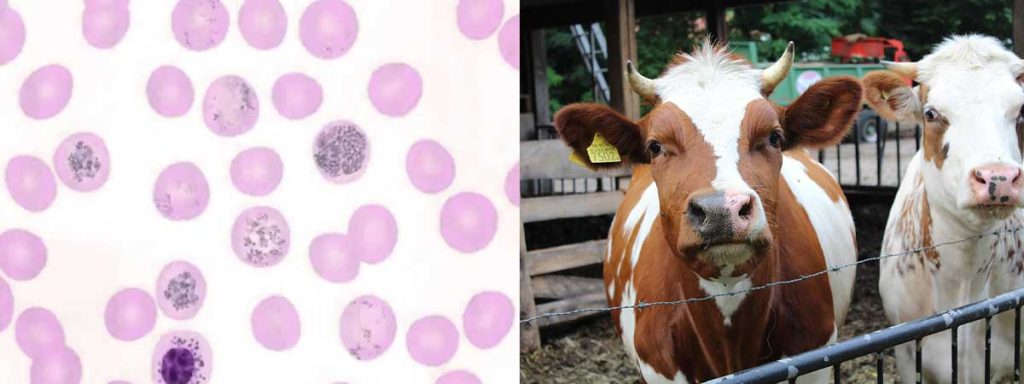
Farmers confirm recovery from mastitis in cattle by following a clear process. They perform physical checks, use milk testing, and schedule regular follow-ups. Both physical and laboratory assessments matter. The table below highlights key benefits of timely and accurate PCR testing:
| Key Takeaway | Description |
|---|---|
| Timely Diagnosis | Real-time PCR testing allows for faster identification of mastitis pathogens. |
| Accurate Results | PCR diagnostics provide highly accurate results. |
| Economic Impact | Quick PCR testing helps reduce disease spread and economic loss. |
Ongoing monitoring and veterinary guidance improve long-term outcomes. This approach ensures each cow receives the best care.
FAQ
How Long Does It Take for a Cow to Recover from Mastitis?
Most cows show improvement within a few days after treatment. Full recovery may take up to four weeks. Farmers should monitor cows at 24 hours, 48 hours, and again at four weeks to confirm recovery.
Can a Cow Get Mastitis Again After Recovery?
Yes, cows can develop mastitis again. Recurrence often happens if the underlying cause remains. Good milking hygiene and regular monitoring help reduce the risk of repeat infections.
What Is the Most Reliable Way to Confirm Recovery?
A combination of physical checks and milk testing gives the most reliable results. Farmers should not rely on somatic cell counts alone. Regular follow-ups and laboratory tests support accurate assessment.
When Should a Veterinarian Be Consulted?
Farmers should contact a veterinarian if a cow does not improve within two days, shows severe symptoms, or has repeated cases. Early veterinary involvement ensures proper diagnosis and treatment.
Does Mastitis Affect Milk Production Long-Term?
Mastitis can lower milk yield, especially if not treated early. Quick detection and proper management help cows return to normal production. Chronic cases may lead to permanent loss in milk output.