
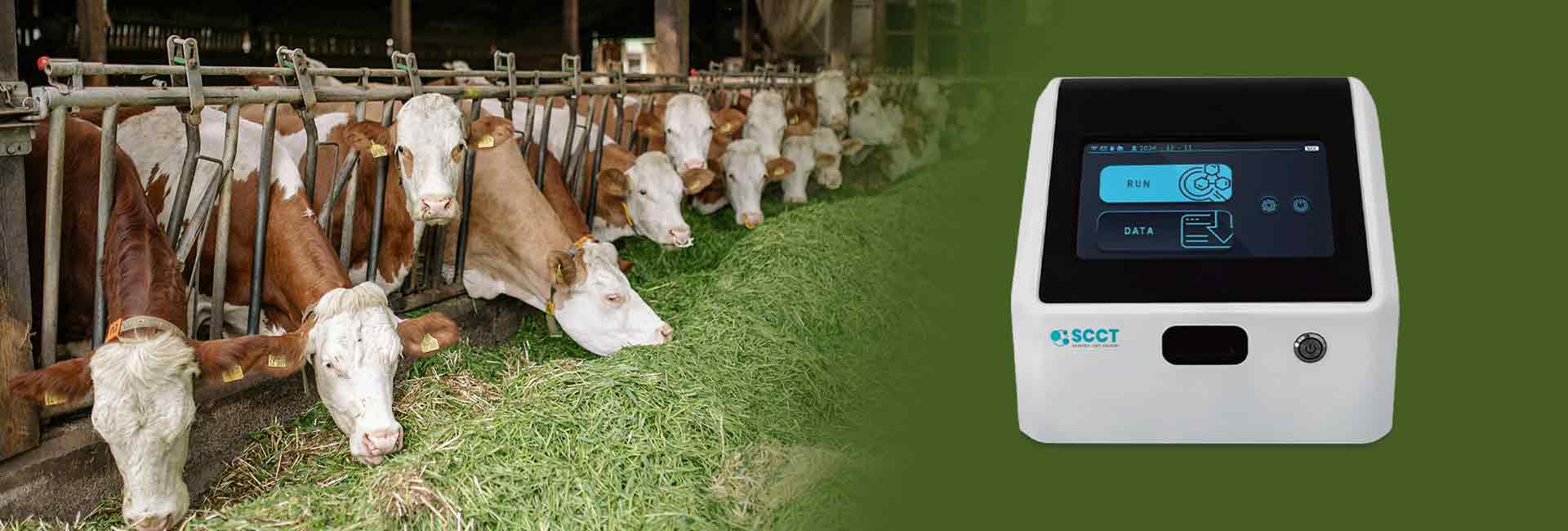


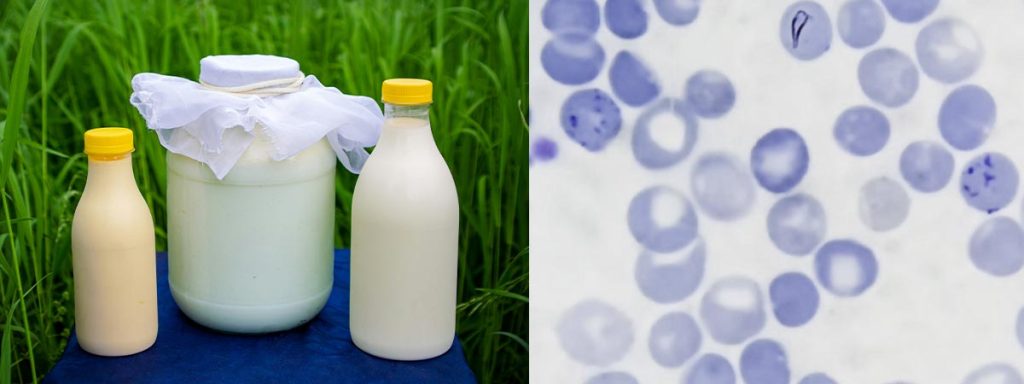
Many buyers face challenges when choosing an SCC tester for their dairy operations. They often overlook compatibility with milk volume, ignore proper calibration, and fail to check the quality of the somatic cell count test kit. Some prioritize price over performance, while others neglect after-sales support. Avoiding these mistakes ensures accurate somatic cell count readings and maintains milk quality for long-term success.
Key Takeaways
- Choose a somatic cell tester that matches your dairy’s size and testing needs to ensure accurate results and efficient operations.
- Regularly calibrate your SCC tester to maintain accuracy and avoid misleading results that can harm milk quality.
- Research the manufacturer’s reputation and read user reviews to select a reliable somatic cell count test kit that meets your needs.
- Focus on essential features rather than just price to ensure you invest in a quality device that supports herd health and milk quality.
- Plan for future growth by selecting a somatic cell counter that can adapt to increased testing demands and new technologies.
Application Compatibility for SCC Tester
Matching Somatic Cell Count Test Kit to Dairy Needs
Every dairy operation has unique requirements for milk testing. Choosing the right somatic cell counter helps maintain milk quality and supports herd health. A small family farm may need a basic somatic cell count test kit, while a large commercial dairy often requires a more advanced somatic cell counter. The right test kit ensures accurate results and helps detect mastitis early. Selecting a device that matches the operation’s size and workflow prevents wasted resources and improves efficiency.
Tip: Dairy managers should list their daily milk sample numbers and consider how often they need to test. This step helps them find a somatic cell counter that fits their needs.
Assessing Compatibility for Testing Volume and Frequency
Testing volume and frequency play a major role in choosing a somatic cell counter. High-volume dairies process many milk samples each day. They need a somatic cell counter that can handle frequent tests without losing accuracy. Smaller dairies may only test a few milk samples each week. They can use a simpler somatic cell count test kit.
A reliable somatic cell counter must deliver consistent results, even with large amounts of raw milk. The device should also support the dairy’s growth. If a dairy plans to expand, the somatic cell counter should adapt to higher testing demands. Matching the test kit to the operation’s current and future needs protects milk quality and ensures accurate somatic cell count readings.
Note: Choosing the wrong somatic cell counter can lead to poor test results and missed cases of mastitis, which can lower milk quality and affect profits.
Calibration and Accuracy in SCC Tester
Importance of Proper Calibration for Reliable Testing
Proper calibration stands as a critical factor in achieving reliable results from any SCC tester. Calibration ensures that the somatic cell counter provides accurate readings for every milk sample. Without regular calibration, the device may drift from its original settings. This drift can cause the test to show incorrect somatic cell count numbers. Inaccurate readings can lead to poor decisions about milk quality and herd health.
Dairy managers should check the calibration schedule recommended by the manufacturer. Many devices require calibration before each testing session or after a set number of tests. Some advanced somatic cell counters include automatic calibration features. Others need manual adjustment using a reference kit. Following the correct procedure helps maintain the accuracy of every test and protects the quality of raw milk.
Tip: Always keep a record of calibration dates and any adjustments made. This practice helps track the performance of the somatic cell count test kit over time.
Avoiding Misleading Somatic Cell Count Results
Misleading results can harm both milk quality and dairy profits. If the somatic cell counter is not calibrated, the test may miss early signs of mastitis. This mistake can allow the disease to spread, lowering the quality of the milk and increasing treatment costs. Accurate calibration ensures that each test reflects the true somatic cell count in the milk.
To avoid errors, users should follow these steps:
- Inspect the somatic cell counter before each use.
- Use a control milk sample to verify accuracy.
- Recalibrate the device if results seem unusual.
A well-calibrated somatic cell counter supports consistent testing and reliable results. This process helps dairy operations maintain high standards for milk quality and herd health.
Quality, Reliability and Reviews for SCC Tester
Evaluating Build Quality and Manufacturer Reputation
Quality and reliability play a major role in selecting an SCC tester. A well-built somatic cell counter can withstand daily use in a busy dairy environment. Strong materials and careful design help the device last longer and reduce the risk of breakdowns. When a dairy invests in a reliable somatic cell counter, they protect their milk quality and avoid costly interruptions.
Manufacturer reputation also matters. Companies with a long history of producing accurate test equipment often deliver better results. They usually provide clear instructions and dependable customer service. Dairy managers should research the manufacturer before buying a somatic cell count test kit. They can look for awards, certifications, or industry partnerships that show a commitment to quality.
Tip: A trusted manufacturer often offers a warranty. This warranty can give buyers peace of mind if the somatic cell counter needs repairs.
Using User Reviews to Assess Somatic Cell Count Test Kit Performance
User reviews give valuable insight into how a somatic cell counter performs in real dairy settings. Farmers and lab technicians often share their experiences with test accuracy, ease of use, and durability. Reading these reviews helps buyers spot common problems or strengths in a kit.
A dairy should look for reviews that mention consistent somatic cell count results. They should also check for feedback about handling large milk sample volumes or detecting mastitis early. Reviews can reveal if a somatic cell counter works well with raw milk and if it maintains accuracy over time.
- Ask other dairy professionals for recommendations.
- Compare ratings across different platforms.
- Pay attention to comments about customer support and replacement parts.
By using reviews and recommendations, buyers can choose a somatic cell count test kit that meets their needs and supports high milk quality.
Price vs. Value in Somatic Cell Count Testing
Balancing Cost With Essential Features

Many dairy managers look for the lowest price when buying an SCC tester. This approach can lead to poor choices. A low-cost somatic cell counter may lack important features that protect milk quality and herd health. Essential features like accurate calibration, easy operation, and reliable results help dairies avoid costly mistakes. A somatic cell count test kit with advanced options can detect mastitis early and support better decision-making.
When comparing options, managers should focus on the features that matter most for their dairy. They should ask if the somatic cell counter can handle the number of milk samples they test each day. They should also check if the kit works well with raw milk and provides consistent somatic cell count results. Investing in a quality device often saves money in the long run by reducing errors and supporting herd health.
Tip: Make a checklist of must-have features before shopping for a somatic cell counter. This step helps buyers avoid paying for extras they do not need or missing out on key functions.
Risks of Prioritizing Price Over Performance
Choosing a somatic cell counter based only on price can hurt a dairy’s bottom line. Devices without advanced features may miss early signs of mastitis or give inaccurate test results. These mistakes can lead to lower milk production, higher treatment costs, and even early culling of cows.
The long-term value of a reliable somatic cell count test kit becomes clear when looking at the impact on herd health and profits:
- Cows with a somatic cell count above 200,000 at the first test produced 1,583 pounds less milk than those below this threshold.
- 25% of cows with high counts developed clinical mastitis within 60 days of calving, compared to only 8% of cows with lower counts.
- Cows with high counts needed 17 more days to become pregnant and were culled 98 days earlier than their herd mates.
A high-quality somatic cell counter helps dairies avoid these losses. It supports accurate testing, protects milk quality, and ensures the best return on investment.
Support, Warranty and Future Needs for SCC Tester
Importance of After-Sales Support and Warranty
After-sales support and warranty play a key role when choosing an SCC tester. Dairy managers rely on their somatic cell counter for accurate test results and consistent milk quality. If the device breaks or gives faulty readings, quick support helps reduce downtime. A strong warranty protects the investment and ensures the kit continues to deliver reliable results. Many manufacturers offer different levels of support, such as phone help, online resources, or on-site repairs.
Tip: Always ask about the warranty period and what it covers before buying a somatic cell count test kit. Good support can save time and money if problems arise.
A dairy should check if the manufacturer provides training for the somatic cell counter. Training helps staff use the test kit correctly and avoid mistakes. Reliable support also means easy access to replacement parts and updates. These services keep the somatic cell counter working well and protect milk quality.
Planning for Future Testing and Scalability
Dairy operations often grow over time. A somatic cell counter should adapt to higher testing needs and new challenges. When planning for the future, managers should consider if the device can handle more milk samples or support new test methods. Some counters allow upgrades or connect with other lab equipment. This flexibility helps dairies keep up with industry changes and maintain high standards for somatic cell count testing.
A table can help compare features for future needs:
| Feature | Basic Model | Advanced Model |
|---|---|---|
| Daily Test Capacity | 20 | 100+ |
| Upgrade Options | No | Yes |
| Raw Milk Compatibility | Yes | Yes |
A dairy that plans for growth avoids buying a new somatic cell counter every few years. The right choice supports accurate test results, early mastitis detection, and long-term milk quality.
Conclusion

Avoiding common mistakes when selecting an SCC tester helps dairy operations maintain milk quality and herd health. Choosing the right somatic cell count test kit supports early mastitis detection, accurate test results, and better economic outcomes. The following checklist can guide buyers:
- Match the test kit to dairy needs and testing volume.
- Confirm calibration and accuracy.
- Check build quality and manufacturer support.
- Balance value with essential features.
- Plan for future test requirements.
| Feature | Benefit |
|---|---|
| Compatibility | Reduces errors and fits existing systems. |
| Calibration | Maintains accuracy and compliance. |
| Quality | Ensures reliable, long-lasting results. |
| Value | Improves return on investment. |
| Support | Enhances reliability and uptime. |
| Scalability | Supports future growth and adaptability. |
FAQ
What Is a Somatic Cell Count Tester?
A somatic cell count tester measures the number of somatic cells in milk. High somatic cell counts often indicate mastitis or poor milk quality. Dairy managers use these testers to monitor herd health and ensure safe milk production.
How Often Should Dairies Test Somatic Cell Count?
Most dairies test somatic cell count at least once a week. Large operations may test daily. Frequent testing helps detect mastitis early and maintain high milk quality.
Why Does Calibration Matter for Somatic Cell Count Testers?
Proper calibration ensures accurate somatic cell count readings. An uncalibrated tester may give false results, leading to missed mastitis cases or unnecessary treatments. Regular calibration protects both herd health and milk quality.
Can One Somatic Cell Count Tester Work for All Dairy Sizes?
Not every tester fits every dairy. Small farms may use basic kits, while large dairies need advanced testers for high sample volumes. Choosing the right device ensures accurate somatic cell count results and efficient workflow.
What Features Should Buyers Look For in a Somatic Cell Count Tester?
Buyers should check for accuracy, easy calibration, durability, and after-sales support. They should also consider testing volume and future needs. These features help maintain reliable somatic cell count monitoring.