
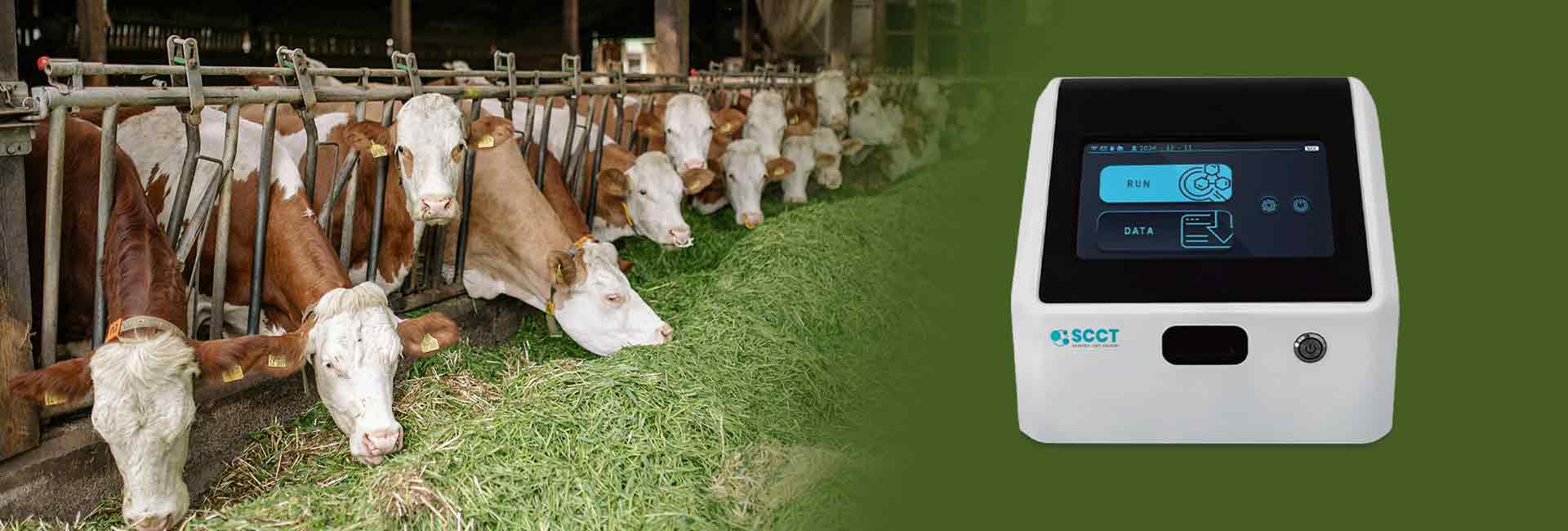



Artificial intelligence changes the landscape of SCC testing by introducing advanced automation and precision. Dairy farms now use ai tools to monitor milk quality in real time and detect issues like mastitis early.
- AI-powered optical sensing provides immediate feedback on somatic cell count, improving disease management.
- Automated processes cut labor costs and reduce errors, leading to significant savings.
The shift from manual to automated testing allows the dairy and livestock industries to achieve greater efficiency and accuracy through artificial intelligence and ai.
Key Takeaways
- AI automates SCC testing, reducing manual work and speeding up results. This allows dairy managers to respond quickly to health issues.
- Real-time analysis from AI tools helps detect problems like mastitis early, improving animal health and milk quality.
- AI-driven insights support better decision-making by analyzing large datasets, predicting outcomes, and optimizing herd management.
- Automated testing processes cut labor costs and minimize errors, leading to significant savings for dairy farms.
- Adopting AI technologies gives dairy producers a competitive edge through enhanced accuracy and improved operational efficiency.
SCC Testing Challenges
Manual Testing Limitations
Manual SCC testing creates several obstacles for dairy producers. Technicians often need to collect and prepare samples by hand. This process takes time and can introduce human error. Many farms experience delays because they must wait for results from off-site laboratories. These delays make it difficult to respond quickly to health issues in the herd. The following table highlights how these limitations affect reliability and speed:
| Limitation | Impact on Reliability and Speed |
|---|---|
| Waiting time for results | Delays in obtaining results can hinder timely decisions. |
| Affected by many variables | Variability can lead to inconsistent results, affecting reliability. |
Inconsistent Results
SCC testing often produces inconsistent results when performed manually. Environmental factors, such as temperature and sample handling, can change the outcome. Different technicians may use slightly different methods, which leads to variation in results. These inconsistencies make it hard for farmers to trust the data from their somatic cell count tester. Reliable results are essential for making decisions about milk quality and animal health.
Somatic Cell Count Tester Constraints
Current somatic cell count tester faces several constraints that limit their effectiveness.
- High capital costs prevent small and mid-sized dairy farms from adopting advanced testing equipment.
- Sensor accuracy and reliability often decrease in harsh farm conditions, such as extreme temperatures or exposure to cleaning chemicals.
- Market fragmentation, with more than 20 vendors, makes it difficult for farmers to integrate data from different sources.
- The lack of universal data standards increases integration costs and slows market growth.
These challenges highlight the need for improved solutions. AI tools can help address these issues by automating processes and increasing accuracy. Software testing and advanced software can further support the transition to more reliable SCC testing.
AI Automation in SCC Testing
Automated Test Case Generation
AI automation transforms the way dairy producers approach testing. AI-based software testing solutions now generate test cases automatically for somatic cell count tester. These solutions use machine learning algorithms to analyze historical data and identify patterns. The software then creates new test cases that target high-risk areas and potential failure points. This approach reduces the need for manual test creation and selection. AI-driven testing ensures that the most relevant cases receive attention, which leads to improved accuracy and quality gains.
AI-based testing solutions also adapt to changes in the testing process. When a new version of the somatic cell count tester software is released, AI tools quickly update test cases to match the latest features. This intelligent automation allows teams to keep pace with rapid development cycles. Enhanced regression testing becomes possible because AI can identify which cases need to run after each update. As a result, dairy operations experience significant benefits from faster test cycles and reduced manual effort.
- AI-guided approaches optimize ELISA design by predicting mutations that reduce off-target binding. This minimizes the need for multiple experiments and streamlines assay development.
- AI-assisted image analysis improves quantification in high-content screening. These tools help identify the most informative assays and reduce manual effort in data analysis.
Real-Time Analysis
AI-powered tools bring real-time analysis to SCC testing. Machine learning models process data from the somatic cell count tester as soon as samples are collected. The system uses predictive analytics to detect abnormal patterns and alert staff immediately. This rapid response supports improved decision making and risk analysis. Dairy managers can act quickly to address health issues, which protects milk quality and herd well-being.
AI-based software testing also enables continuous learning. The system refines its models with each new data point. Over time, the analysis becomes more accurate and reliable. Machine learning systems adapt to changing farm conditions, such as seasonal shifts or new pathogens. This adaptability ensures that the testing process remains effective in diverse environments.
Reduced Manual Maintenance
AI-driven tools reduce the burden of manual maintenance in SCC testing. Traditional software testing often requires frequent updates to test scripts and manual intervention when the system changes. AI-based testing solutions automate these tasks. The software monitors the somatic cell count tester and learns from its operation. When the system detects a change, it updates test cases automatically. This process saves time and reduces the risk of human error.
Machine learning and intelligent automation also support ongoing system health. The software identifies trends that may indicate equipment wear or calibration drift. Early detection allows for preventive maintenance, which extends the life of the somatic cell count tester and maintains high testing quality. AI tools provide continuous learning and adaptation, ensuring that the testing process stays current with the latest industry standards.
Tip: AI automation in SCC testing not only streamlines workflows but also delivers faster test cycles and improved accuracy. Dairy producers who adopt AI-based testing solutions gain a competitive edge through better quality control and reduced operational costs.
Artificial Intelligence Accuracy
Predictive Detection
Artificial intelligence has transformed predictive detection in somatic cell count analysis. Machine learning algorithms analyze sensor data from dairy herds to identify early signs of mastitis and other health issues. These algorithms process information from accelerometers that monitor rumination. Reduced chewing often signals potential health problems. Real-time assessment of somatic cell count helps detect infections or inflammation in the udder before symptoms become visible. Machine learning models also recognize behaviors linked to subclinical ketosis, which improves early detection and intervention.
Integration of sensor data into dynamic models increases the speed and accuracy of illness detection. The somatic cell count tester benefits from these advancements, as it can now provide immediate alerts to dairy managers. This rapid response supports better animal health and milk quality. The following table compares the prediction accuracy of different machine learning methods used in somatic cell count analysis:
| Machine Learning Method | Prediction Accuracy | Description |
|---|---|---|
| Neural Network | Above 75% | Best performance in predicting udder health classes based on somatic cell counts. |
| Random Forest | Above 75% | Effective in predicting udder health status. |
| Linear Methods | Above 75% | Strong performance in classifying healthy vs. mastitic cows. |
Note: Machine learning methods consistently achieve high accuracy in predicting udder health, which supports timely and effective herd management.
Intelligent Classification

AI tools use intelligent classification to distinguish between normal and abnormal somatic cell counts. Deep learning and super-resolution imaging allow these systems to identify subtle nuclear features and chromatin organization. This capability is crucial for detecting early signs of viral infections and changes in cell structure. The somatic cell count tester equipped with AI can recognize unique molecular signatures, such as differences in DNA density, which improves diagnostic accuracy.
Researchers use several metrics to evaluate the accuracy of intelligent classification in AI-powered SCC testing. The table below outlines these metrics and their formulas:
| Metric | Description | Formula |
|---|---|---|
| Accuracy | Ratio of total correctly classified samples to total number of samples. | $$\text{Accuracy} = \frac{TP + TN}{TP + TN + FP + FN}$$ |
| Precision | Ratio of samples predicted as positive to samples that are actually positive. | $$\text{Precision} = \frac{TP}{TP + FP}$$ |
| Sensitivity | Ratio of positive samples correctly classified to true positive samples. | $$\text{Recall} = \frac{TP}{TP + FN}$$ |
| F1 Score | Harmonic mean of Precision and Sensitivity. | $$\text{F1 Score} = \frac{2 * (Precision * Sensitivity)}{Precision + Sensitivity}$$ |
| ROC/AUC Curve | Graphical metric showing the relationship between true positive rate and false positive rate. | AUC measures classification performance; closer to 1 indicates better performance. |
AI-powered classification systems, such as AINU, can detect early signs of viral infections by identifying differences in cell structure. These systems also recognize the presence of specific molecular markers, which enhances the reliability of the somatic cell count tester. Intelligent classification reduces false positives and negatives, leading to more accurate and actionable results.
Data-Driven Insights
Data-driven insights generated by artificial intelligence play a key role in improving herd management and milk quality. Machine learning models analyze large datasets from sensors, environmental factors, and cow health records. These models predict milk yield, fat, and protein content, which helps dairy managers make informed decisions. AI systems also help maintain milk quality by managing heat stress and monitoring animal health in real time.
The somatic cell count tester, when integrated with AI, provides continuous tracking of SCC levels. This real-time monitoring allows for early detection of mastitis, preventing quality issues and supporting animal well-being. The table below shows how AI models perform in predicting outcomes based on cow data:
| Model | Number of Cows | R Value | Slope |
|---|---|---|---|
| Model 1 | 36 | 0.87 | 0.76 |
| Model 2 | 312 | 0.86 | 0.74 |
- AI technologies such as convolutional neural networks (CNN) and RFID enable real-time monitoring and predictive analytics in dairy farming.
- Precision livestock farming uses data from sensors to optimize herd management.
- AI-driven sensor technologies capture cow data to improve milk quality and economic returns.
- Optical sensing technology allows for real-time testing of milk composition, including fat and protein levels.
- Real-time tracking of somatic cell count helps detect mastitis early, maintaining both milk quality and animal health.
Tip: Data-driven insights from AI support smart farming practices, leading to healthier herds and higher economic returns. Dairy producers who use these technologies gain a competitive advantage through improved decision-making and resource management.
Software Testing Evolution with AI
Adaptive Testing Strategies
AI-driven tools have changed the way software testing works in the dairy industry. These tools adapt quickly to code changes and new requirements. Machine learning models learn from past test cases and adjust their strategies as the software evolves. This flexibility helps teams keep up with frequent updates in somatic cell count tester systems. AI tools can identify which tests need to run after each change, reducing unnecessary work and speeding up the process.
Key milestones in the evolution of software testing include the shift from manual methods to automated, machine learning-based approaches. Commercial vendors now offer advanced software that uses AI to set measurable acceptance criteria and analyze standard deviations in test outputs. These improvements have a strong impact in the software testing industry, making testing faster and more reliable.
AI in Large Dataset Analysis
Modern SCC testing generates large amounts of data. AI-powered tools use machine learning to analyze these datasets efficiently. They can spot trends and predict health issues before they become serious. The table below shows how AI improves data analysis in SCC testing:
| Advantage | Description |
|---|---|
| Predictive Modeling | AI enables predictive mastitis modeling using historical SCC trends and external variables. |
| Enhanced Differentiation | Machine learning algorithms improve the qualitative differentiation of somatic cell types. |
| Reduced Downtime | Automated analyzer diagnostics and remote calibration lower downtime and maintenance costs. |
| Data Integration | AI helps combine SCC data with herd management software for better decision-making. |
| Improved Accuracy | Advanced image processing via AI increases accuracy and reduces false results. |
Machine learning and AI tools help dairy managers make better decisions by providing clear, data-driven insights. These technologies also support regulatory compliance and quality assurance by predicting and adjusting key metrics.
Industry Case Studies
Many dairy farms now use AI integration in their SCC testing systems. Machine learning models trained on large datasets can predict mastitis events up to 72 hours before symptoms appear. These models often reach sensitivity above 85% and specificity over 90%. Federated learning allows farms to share data securely, improving accuracy without risking privacy.
AI technologies such as convolutional neural networks and real-time analytics support precision livestock farming. These systems help farmers monitor animal health and productivity. The integration of AI and machine learning into SCC analyzers has improved both efficiency and quality in dairy production.
Note: AI advancements in SCC testing, combined with sensor technology, allow for faster and more accurate decisions about cow health and milk quality.
Conclusion

AI continues to transform SCC testing by increasing speed and reliability. Dairy producers benefit from improved accuracy and reduced manual effort. Experts forecast that advanced technologies will enable real-time data collection and analysis. Future SCC devices may feature fluorescence detection, cloud monitoring, and integration with herd management systems.
- Predictive modeling and targeted treatment protocols will support proactive intervention.
- Automated diagnostics and remote calibration will lower maintenance costs.
AI-driven solutions help stakeholders adapt strategies and optimize milk quality. Dairy managers should consider adopting these technologies to stay competitive.
FAQ
What Is AI in SCC Testing?
AI refers to artificial intelligence. It uses computer systems to analyze data and make decisions. In SCC testing, AI helps automate the process and improves accuracy.
AI can quickly find patterns that humans might miss.
How Does AI Improve Dairy Farm Efficiency?
AI reduces manual work by automating sample analysis. It provides real-time results, which helps dairy managers respond faster to health issues.
- Farms save time and money.
- Herd health improves.
Can AI Detect Mastitis Earlier Than Traditional Methods?
Yes. AI analyzes data from sensors and testing devices. It can spot early signs of mastitis before symptoms appear.
Early detection means better animal care and higher milk quality.
Is AI-Based Testing Difficult to Use?
Most AI-based testing systems have user-friendly interfaces. Dairy staff can learn to operate them with basic training.
- Automated alerts and simple dashboards make the process easier.
What Are the Main Benefits of AI in SCC Testing?
AI increases accuracy, reduces errors, and speeds up the testing process. It also helps with data management and decision-making.
| Benefit | Description |
|---|---|
| Accuracy | Fewer mistakes in results |
| Speed | Faster sample analysis |
| Data Insights | Better herd management decisions |