



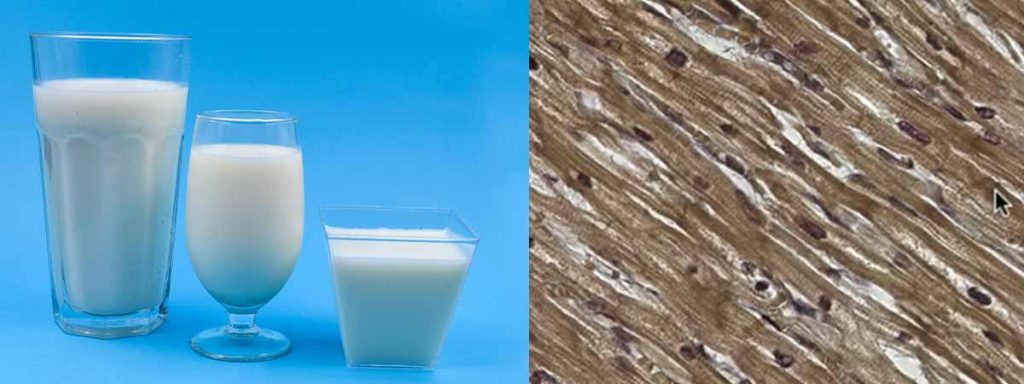
The somatic cell count of milk serves as a key indicator of quality and animal health in dairy production. For organic certification, the USDA sets the maximum threshold at 500,000 cells per milliliter. Organic milk must also meet the USDA Organic logo requirements, which include at least 70% organic ingredients and strict limits on non-organic substances. Compared to conventional milk, organic milk often shows higher somatic cell counts, making regular monitoring essential. Producers use somatic cell count tester to track compliance and maintain high standards.
Key Takeaways
- The USDA sets the maximum somatic cell count for organic milk at 500,000 cells per milliliter to ensure quality and animal health.
- Regular testing of somatic cell counts helps detect udder infections early, improving animal welfare and reducing economic losses.
- Maintaining low somatic cell counts opens access to premium organic markets and supports the production of high-quality dairy products.
- Good herd management practices, such as cleanliness and proper milking routines, are essential for keeping somatic cell counts low.
- Accurate recordkeeping and staff training are crucial for compliance with organic certification standards and for maintaining herd health.
Understanding Somatic Cell Count of Milk
What Is Somatic Cell Count?
The somatic cell count of milk measures the concentration of body cells present in raw milk. These cells mainly include leukocytes, which make up about 98%, and a smaller portion of epithelial cells at around 2%. Dairy professionals use this measurement as a key indicator of udder health. When a cow’s udder becomes inflamed, the number of somatic cells rises. This increase often signals mastitis, a common infection in dairy cows.
- Somatic cell count of milk helps detect mastitis early.
- It reflects the overall health of the cow’s udder.
- Bulk tank measurements show the health status of the entire herd.
- International standards use this count to judge milk quality and suitability for processing.
Good quality milk usually contains between 100,000 and 500,000 cells per milliliter. High counts can shorten shelf life and reduce the yield and quality of dairy products. Cleanliness and proper hygiene on the farm also play a major role in keeping these numbers low.
Why SCC Matters for Organic Milk?
Maintaining a low somatic cell count of milk is essential for organic certification. Low counts show that cows have healthy udders and receive proper care. Organic standards require producers to focus on animal welfare and minimize the use of antibiotics. When cows have fewer infections, farmers use fewer medications, which aligns with organic principles.
- Low somatic cell counts open access to premium organic markets.
- Producers can create value-added dairy products with higher quality.
- Clean cows tend to have lower counts, as shown by studies involving thousands of milk samples.
- Seasonal changes and hygiene practices can affect cell counts, especially during wet months.
| Evidence Type | Findings |
|---|---|
| Mastitis Prevalence | Subclinical mastitis affects over half of cows on organic farms. |
| Hygiene Impact | Cleaner cows consistently show lower somatic cell counts in their milk. |
| SCC Comparison | Results vary between organic and conventional farms due to management. |
A low somatic cell count of milk not only meets certification standards but also supports animal health and farm profitability.
Organic Certification Standards and SCC
SCC Thresholds for Organic Milk
Organic milk producers must follow strict standards to achieve certification. The USDA sets the maximum somatic cell count of milk at 500,000 cells per milliliter for organic milk. This limit helps ensure that the milk comes from healthy cows and meets consumer expectations for quality. Many consumers believe organic milk should be superior to conventional milk. For this reason, regulators enforce tighter controls on organic products.
The somatic cell count of milk acts as a direct measure of udder health. High counts often indicate mastitis, which is a common problem in dairy herds. Organic farms face unique challenges because they cannot use antibiotics to treat mastitis. They must rely on preventive care and excellent management practices. In Europe, the standard is even stricter, with a maximum of 400,000 cells per milliliter. However, experts believe that even this level may allow some mastitis cases. The best results come from keeping counts closer to 200,000 cells per milliliter.
Tip: Regular testing and early intervention help organic farmers maintain low cell counts and protect herd health.
Regulatory Agencies and References
Several agencies oversee organic certification in the United States. The USDA National Organic Program (NOP) sets the main rules for organic milk production. These rules require that at least 95% of the product’s ingredients must be certified organic. Only products that meet this threshold can display the USDA Organic seal. The NOP also requires that organic farms protect natural resources and promote ecological balance.
Organic certifying agents, accredited by the USDA, inspect farms and review records. They check for compliance with animal health standards, including the somatic cell count of milk. Inspectors look for evidence of good management, such as clean facilities and healthy animals. They also verify that farmers avoid prohibited substances and follow approved practices.
| Agency/Standard | Role in Certification |
|---|---|
| USDA National Organic Program (NOP) | Sets national standards and oversees certification |
| Accredited Certifiers | Inspect farms and review compliance |
| State Departments | May offer additional guidance or oversight |
Comparison to Conventional Milk Standards
Organic milk standards differ from those for conventional milk in several ways. Conventional milk in the United States can have a somatic cell count of up to 750,000 cells per milliliter. This higher limit reflects different management practices and consumer expectations. Organic milk must meet stricter requirements because consumers expect higher quality and better animal welfare.
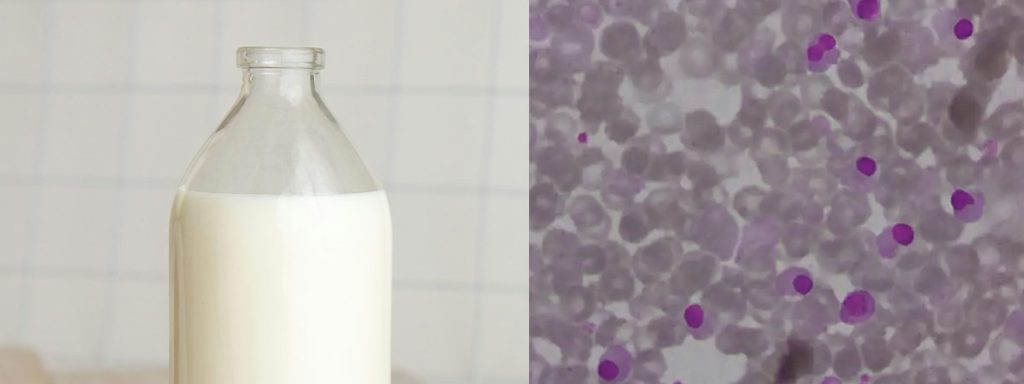
Stricter limits in organic milk help reduce the risk of mastitis and improve overall milk quality. Organic farmers cannot use antibiotics to treat infections, so they must focus on prevention. This approach supports animal health and aligns with organic principles. It also helps protect the environment by reducing the use of synthetic chemicals.
Note: The USDA Organic seal signals that the product meets high standards for organic content, animal welfare, and environmental stewardship.
Organic certification standards encourage farmers to use sustainable practices. They must protect soil, water, and biodiversity while producing high-quality milk. These requirements help build trust with consumers and support the long-term health of the farm ecosystem.
Achieving and Maintaining Low SCC
Using a Somatic Cell Count Tester
A somatic cell count tester gives dairy producers a reliable way to monitor udder health. By using this device, farmers can quickly check the somatic cell count of milk from both individual cows and the bulk tank. Regular testing helps detect new infections early and allows for timely action. Producers who use a somatic cell count tester can separate infected cows, reduce the spread of disease, and maintain compliance with organic certification standards.
Best Practices for Herd Health
Maintaining low somatic cell counts starts with strong herd management. Farmers should keep bedding areas clean and dry, especially during humid weather, to prevent bacterial growth. They often use fans and sprinklers to keep cows cool and reduce heat stress. A good pre- and post-milking routine also lowers the risk of infection.
High standards of hygiene and animal husbandry are critical in organic dairy systems. Cow cleanliness directly impacts the somatic cell count of milk, with cleaner cows showing lower counts.
Farmers should monitor cows regularly, detect new infections early, and identify chronically infected animals for culling or early dry-off.
Recordkeeping for Certification
Accurate records support organic certification and help track herd health. Producers document somatic cell count test results, milking routines, and any treatments given. Inspectors review these records during certification visits. Good documentation shows a commitment to animal welfare and helps identify trends or recurring issues.
| Record Type | Purpose |
|---|---|
| SCC Test Results | Monitor udder health |
| Milking Procedures | Ensure consistent routines |
| Treatment Logs | Track interventions and outcomes |
Staff Training and Prevention
Well-trained staff play a key role in keeping somatic cell counts low. Training programs cover topics such as proper milking procedures, cow handling, and mastitis prevention. The ‘Dairy Tool Box Talks’ program, for example, teaches workers about milk quality, animal welfare, and the importance of hygiene.
- Staff learn to recognize cow health signals.
- They practice safe and consistent milking routines.
- Training addresses cultural differences and workplace safety.
Consistent education and clear protocols help prevent new infections and support long-term herd health.
Non-Compliance and Solutions
Risks of High SCC
Organic dairy farms sometimes face non-compliance issues when somatic cell counts rise above the certification threshold. The infection status of the udder plays a major role in these cases. When the somatic cell count exceeds 200,000 cells per milliliter, it often signals a bacterial infection. Pathogens such as Streptococcus uberis and coagulase-negative staphylococci frequently cause these problems. Quarter-level risk factors, including teat position, teat-end lesions, and previous infections, also contribute to elevated counts. These factors can lead to non-compliance and threaten organic certification.
High somatic cell counts reduce milk quality and may result in loss of organic status. Farms must address these risks quickly to protect their certification.
Addressing SCC Issues
Organic producers must take corrective actions when somatic cell counts exceed the allowed limit. They use several management practices to lower infection rates and improve udder health. The following table shows common strategies and their benefits:
| Management Practice | Benefit |
|---|---|
| Reduction of milk yield before dry-off | Lowers the risk of new high SCC during dry period |
| Use of dips or sprays after drying off | Enhances hygiene and reduces infection rates |
| Selective dry cow therapy (DCT) | Targets treatment based on SCC or mastitis history |
| Correct knowledge of guidelines | Ensures effective implementation of practices |
| Awareness of low infection rate importance | Promotes better hygiene during dry-off |
Farmers who understand these guidelines and maintain awareness of infection risks can prevent recurring SCC issues. They monitor cows closely and apply treatments based on individual health histories.
Working with Inspectors
Inspectors play a key role in organic certification. They review records, observe herd health, and check somatic cell count data. Producers must communicate openly with inspectors and provide accurate documentation. When non-compliance occurs, inspectors may recommend corrective actions or temporary suspension of organic status. Farmers who cooperate and follow guidance can restore compliance and maintain certification.
Clear communication and prompt action help organic farms resolve SCC issues and protect their organic status.
Conclusion
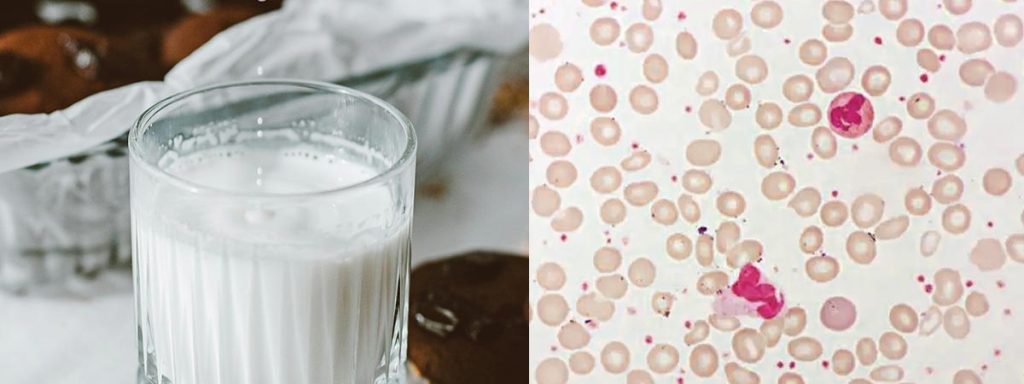
Organic certification requires milk to maintain a somatic cell count below 500,000 cells per milliliter. Regular monitoring allows farmers to detect subclinical mastitis early, which improves animal welfare and reduces economic losses. Using a somatic cell count tester helps producers track udder health and make informed decisions. These practices support compliance with organic content rules and help secure the USDA Organic seal. Strong herd management and consistent testing lead to long-term success in organic dairy production.
FAQ
What Is the Maximum Somatic Cell Count Allowed for Organic Milk?
The USDA allows a maximum somatic cell count of milk at 500,000 cells per milliliter for organic certification. This standard helps ensure milk quality and animal health.
How Often Should Farmers Test for Somatic Cell Count?
Farmers should test the somatic cell count of milk at least once a month. Regular testing helps detect udder infections early and supports compliance with organic standards.
Why Does Somatic Cell Count Matter for Consumers?
A lower somatic cell count of milk means better animal health and higher milk quality. Consumers often choose organic milk for these reasons.
What Happens If a Farm Exceeds the SCC Limit?
Inspectors may suspend organic certification if the somatic cell count of milk goes above the limit. Farmers must take corrective actions to regain compliance.
Who Sets the Standards for Somatic Cell Count in Organic Milk?
The USDA National Organic Program sets the standards for the somatic cell count of milk in the United States. Accredited certifiers enforce these rules during inspections.