



An individual cow somatic cell count report tracks the health status of each cow and helps ensure high milk quality. Dairy managers use these reports to identify cows at risk for mastitis. The somatic cell count serves as a reliable marker for both clinical and subclinical mastitis. Regular measurement with tools like a somatic cell count tester or DHIA program supports early detection. The following table shows recent DHIA data for commercial herds:
| Herd Average (lbs) | Average SCCS | Average WTSCC | % in 0-3 SCCS | % in 7-9 SCCS |
|---|---|---|---|---|
| 23,250 | 2.86 | 276,000 | 65% | 6% |
- Higher somatic cell count increases mastitis risk.
- Cow health, management, and environment affect SCC levels.
- Identifying cows with high SCC helps protect milk safety.
Regular SCC monitoring improves herd management and milk safety.
Key Takeaways
- Regular monitoring of somatic cell counts helps detect mastitis early, protecting cow health and milk quality.
- Understanding SCC levels is crucial; counts below 100,000 indicate healthy cows, while higher counts signal potential infections.
- Utilizing tools like portable testers and DHIA programs allows for efficient tracking of SCC and timely interventions.
- Analyzing individual cow data helps identify health issues and improve herd management strategies.
- Genetic selection for low SCC traits can enhance herd health and productivity over time.
Somatic Cell Count Basics
What SCC Measures?
Somatic cell count measures the number of somatic cells present in a milliliter of milk. These cells include leukocytes, which are white blood cells, and epithelial cells that line the udder. The presence and proportion of these cells provide important clues about a cow’s udder health. When a cow’s immune system responds to infection, especially mastitis, the number of somatic cells rises. The following table summarizes the main types of somatic cells and what they indicate:
| Somatic Cell Type | Implication for Cow Health |
|---|---|
| Leukocytes (white blood cells) | Increased presence signals an immune response to mastitis pathogens |
| Epithelial cells | Shed from the udder during infection, indicating health concerns |
| SCC Thresholds | 100,000 or less: uninfected; 200,000: likely infected; 300,000+: significant infection |
Why SCC Matters?
Somatic cell count serves as a key indicator of milk quality and udder health. High counts often point to subclinical mastitis, which can go unnoticed without testing. Elevated SCC affects milk in several ways:
- Shortens shelf life and causes quality loss between 14-21 days.
- Increases the risk of rancid or bitter flavors due to faster breakdown of milk fats and proteins.
- Changes milk composition, making it less suitable for cheese production.
Monitoring SCC helps farmers detect problems early and maintain high standards for milk safety and taste.
How SCC Is Tested?
Farmers and dairy technicians use several methods to measure somatic cell count. Direct detection methods, such as fluorescence photoelectric counting and flow cytometry, offer accurate results but require specialized equipment and training. Indirect methods, like the California mastitis test, provide quick results but may lack precision. Many farms rely on a somatic cell count tester for routine checks, while Dairy Herd Improvement Association (DHIA) programs offer regular lab-based testing. For best accuracy, experts recommend excluding SCC results from the first and last weeks of lactation, as natural changes in the udder can affect readings.
SCC Report Components
Key Data Points
A typical individual cow report includes several important data points. These details help dairy managers track udder health and make informed decisions. The following table outlines the main sections found in most reports:
| Key Data Points | Description |
|---|---|
| Overall SCC for individual cows in the herd | Provides the somatic cell count for each cow, indicating udder health. |
| Detection of subclinical and clinical mastitis | Helps identify cows that may be suffering from mastitis, which can affect milk production. |
| LS (milk loss) per cow affected by high SCC | Estimates the potential milk loss for cows with elevated somatic cell counts. |
| Loss in dollar value for high SCC | Calculates the financial impact of high somatic cell counts on the farm’s profitability. |
| Groups affected by mastitis by parity and lactation | Identifies which groups of cows are most affected, aiding in targeted management strategies. |
| Contributions of specific cow SCC to bulk tank SCC | Evaluates how individual cow counts affect the overall bulk tank somatic cell count. |
| Historical information on specific cows’ SCC | Provides a record of somatic cell counts over time for better management decisions. |
These data points allow producers to monitor trends and respond quickly to changes in cow health.
Report Formats

Producers can receive somatic cell count reports in several formats. Each format offers unique advantages for interpreting and acting on the data. The table below summarizes the main components and their benefits:
| Component | Description |
|---|---|
| Individual Cow SCC Level | Enables monitoring of each cow’s somatic cell count, crucial for identifying health issues. |
| Herd Management Issues | Helps uncover potential herd management problems through aggregated data analysis. |
| Monthly Reporting | Provides regular updates to producers, which can influence timely decision-making and actions. |
Paper reports offer a traditional approach, while digital formats allow for easier data analysis and sharing. Monthly updates help managers spot problems early and adjust management practices.
DHIA Hot Sheet
The DHIA Hot Sheet acts as a valuable tool for dairy producers. This report ranks cows based on their contribution to the herd’s overall somatic cell count. By reviewing the Hot Sheet, managers can quickly identify which cows contribute most to elevated bulk tank counts. The report uses individual milk samples, including both somatic cell concentration and milk production volume, to calculate each cow’s impact. This targeted information supports better decision-making and helps maintain milk quality across the herd.
SCC Levels
Thresholds and Interpretation
Dairy professionals use specific thresholds to interpret somatic cell count results. These thresholds help determine the health status of each cow and guide management decisions.
- Less than 100,000 cells/mL: Cow is considered uninfected.
- Between 100,000 and 200,000 cells/mL: Cow may be at risk, but not yet showing infection.
- Greater than 200,000 cells/mL: Cow is likely experiencing subclinical mastitis.
- 310,000 cells/mL or higher: Cow is classified as at risk for subclinical mastitis.
A sudden increase in somatic cell count often signals the onset of an intramammary infection. Consistent monitoring allows managers to detect these changes early and take action before milk quality declines.
Signs of Mastitis
Cows with high somatic cell counts frequently show both physical and behavioral changes. Low body condition scores often appear in these cows. They may spend less time lying down and show poor hygiene, especially on their lower legs. Milk production usually drops in cows with elevated counts. These signs, when observed together, can indicate a higher risk of mastitis and should prompt further investigation.
Tip: Regular observation of cow behavior and body condition can help identify health issues before they become severe.
Impact on Milk Quality
High somatic cell counts have a direct effect on milk quality and safety. Milk from cows with elevated counts often shows impaired coagulation, which reduces cheese yield and quality. Off-flavors may develop, making the milk less appealing for consumers. Researchers have also detected biogenic amines, such as tyramine and tryptamine, in cheese made from high SCC milk, even though these compounds are absent in raw milk. These changes result from the inflammatory processes linked to mastitis, which alter milk composition and reduce its value for processing and consumption.
A rising somatic cell count not only signals udder health problems but also threatens the overall quality and safety of dairy products. Early detection and intervention remain essential for maintaining high standards in milk production.
Managing High SCC
Spotting Trends
Dairy managers track somatic cell count patterns to identify health issues early. They often organize data by days in milk and lactation stage to pinpoint when infections occur. Monthly summaries of SCC from milk samples help evaluate mastitis control and estimate the cost of subclinical mastitis. Reviewing first lactation cows is important, as their SCC levels should not exceed a score of 3. Comparing individual cow data before and after dry cow treatment shows if interventions work. The table below highlights best practices for monitoring SCC trends:
| Best Practice | Description |
|---|---|
| Evaluate management practices | Review culling, replacements, and bedding for herd health |
| Analyze individual cow data | Compare SCC before and after dry cow therapy |
| Monitor first lactation cows | Track SCC, aiming for scores ≤ 3 |
| Organize SCC data | Arrange by days in milk and lactation stage |
| Monthly SCS summary | Use monthly SCC summaries to assess mastitis control |
Next Steps
When a cow shows a high SCC, follow-up testing confirms the result and guides treatment. Cows with higher pre-treatment SCC often have lower cure rates after antibiotic therapy. Quarters that respond to treatment show lower SCC values 28 days later. Selective dry cow therapy reduces antibiotic use while maintaining effectiveness against infections. Regular cleaning of milking lines, strip cup tests, and washing teats before milking all help lower SCC. In some cases, culling cows with persistent high SCC improves herd health, though it may reduce herd longevity in the short term.
Tip: Early detection and targeted treatment can prevent the spread of mastitis and protect milk quality.
Breeding and Selection
Genetic selection plays a key role in long-term SCC management. Selecting cows with low SCC and high milk yield improves both health and productivity. Heritability for SCC is moderate, so breeding for this trait is effective. Genetic indices now include low threshold SCC traits, which show stronger genetic influence. Integrating these indices into breeding programs helps reduce mastitis risk and supports herd improvement over time.
Conclusion
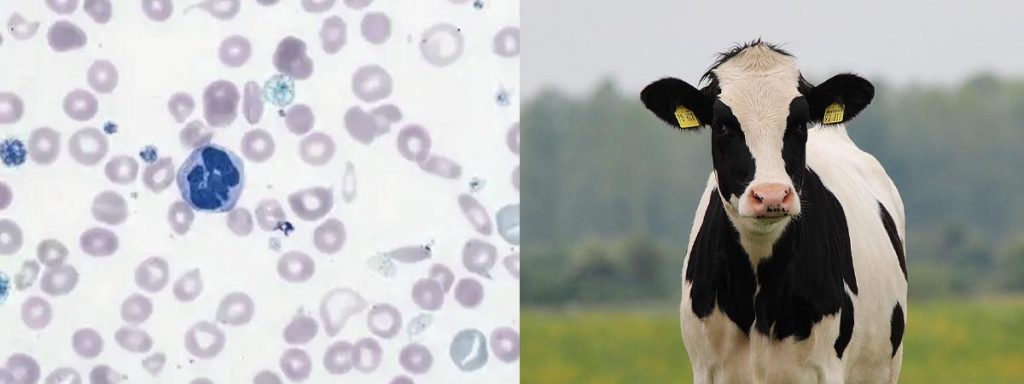
Understanding and regularly reviewing somatic cell count reports helps dairy producers protect herd health and milk quality. Regular analysis allows for early mastitis detection, which reduces economic losses by minimizing veterinary costs and lost production.
- Early detection supports herd health, increases milk yield, and ensures regulatory compliance.
- Lower SCC levels mean healthier udders and higher profitability.
| Type of Tester | Description | Example |
|---|---|---|
| Portable Testers | Easy to use, battery-powered, ideal for small to medium farms, instant results. | Portable milk analyzers with SCC modules. |
| Laboratory Testers | Extremely accurate, used by processing plants and labs. | Fluorescence-based analyzers or flow cytometers. |
| Automated Inline Testers | Continuously monitor milk during milking, installed in the milking line. | Automated milking systems with integrated SCC sensors. |
Ongoing education and proactive herd management ensure that producers use the latest tools and knowledge for herd improvement.
FAQ
What Is a Normal Somatic Cell Count for a Healthy Cow?
A healthy cow usually has a somatic cell count below 100,000 cells per milliliter. This low level suggests the udder is free from infection and producing high-quality milk.
How Often Should Farmers Check Somatic Cell Counts?
Most dairy managers check somatic cell counts monthly through DHIA programs. Some use portable testers for more frequent monitoring, especially when they suspect mastitis.
Can High Somatic Cell Counts Affect Milk Price?
Yes. Milk processors may pay less for milk with high somatic cell counts. High SCC can lower milk quality, which reduces its value for cheese and other dairy products.
What Causes Somatic Cell Counts to Increase?
Infections like mastitis, poor hygiene, and stress can raise somatic cell counts. Environmental factors, such as dirty bedding or improper milking routines, also contribute.
How Can Farmers Lower High Somatic Cell Counts?
Farmers improve cow hygiene, treat infections quickly, and use proper milking techniques. Regular equipment cleaning and selective breeding for low SCC also help reduce counts.