

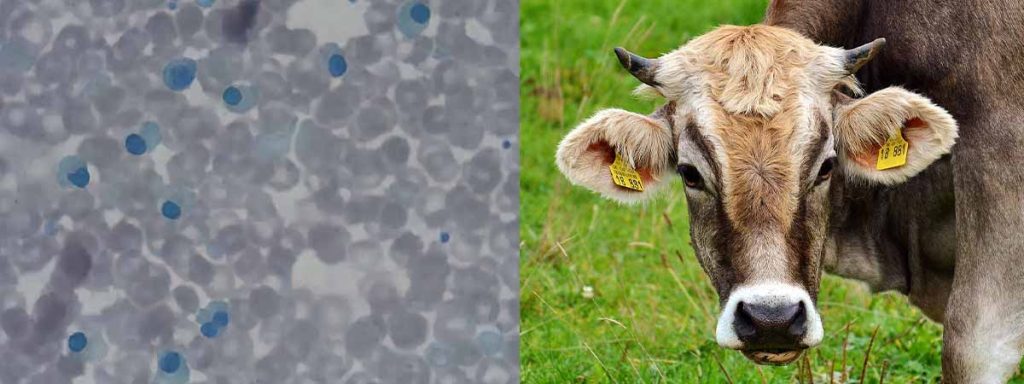
Farmers rely on accurate data of somatic cell count to make decisions about culling cows with high somatic cell count in dairy cows. Tracking trends of somatic cell count over time helps identify cows with persistent issues. The table below shows how different somatic cell count levels impact milk sales and herd management.
| SCC Level (cells/ml) | Implication for Culling Decisions |
|---|---|
| Below 400,000 | Premium pricing for milk |
| Below 750,000 | Acceptable for domestic sales |
| Above 750,000 | Potential penalties for farmers |
| Persistently high | Indicates health issues, culling may be necessary |
Somatic cell count tester and clinical record provide valuable support for mastitis management and economic evaluation.
Key Takeaways
- Regularly monitor somatic cell counts to identify cows with persistent issues. This helps maintain milk quality and herd health.
- Culling cows with high somatic cell counts reduces the risk of disease spread and improves overall herd productivity.
- Evaluate the economic impact of treatment versus culling. Treatment can be more cost-effective and preserve valuable genetics.
- Develop a structured culling protocol that includes assessing cow health and SCC levels. This ensures informed decisions that benefit the herd.
- Integrate clinical records with SCC data to identify infection patterns. This approach supports better management and reduces future mastitis outbreaks.
Why Culling Decisions Matter?
Impact on Milk Quality
Culling decisions play a vital role in maintaining high milk quality in dairy herds. Farmers must evaluate several factors before removing cows from the herd. Milk production levels, health issues, and reproductive status all influence the final quality of milk. The following table highlights how these factors relate to milk quality:
| Factor Influencing Culling Decisions | Impact on Milk Quality |
|---|---|
| Milk production levels | Directly affects quality |
| Health issues (e.g., mastitis) | Impacts overall quality |
| Reproductive status | Influences production levels |
Cows with high somatic cell counts often produce milk that fails to meet premium standards. Persistent health problems, such as mastitis, can lower milk quality and lead to penalties for farmers. Removing cows with chronic issues helps maintain the reputation of the dairy operation and ensures that milk meets regulatory requirements.
Tip: Regular monitoring of somatic cell counts allows farmers to identify cows that consistently produce low-quality milk.
Herd Health and Mastitis Control
Culling decisions also affect herd health and mastitis control. Chronic mastitis cases can spread infection to healthy cows, increasing treatment costs and reducing overall productivity. By removing cows with persistent high somatic cell counts, farmers reduce the risk of disease transmission and improve the effectiveness of mastitis control programs.
Healthy herds experience fewer outbreaks and require less intervention. Farmers who prioritize mastitis control through strategic culling see improvements in both animal welfare and milk yield. A well-managed culling strategy supports long-term herd health and reduces the need for antibiotics.
- Improved mastitis control leads to lower somatic cell counts.
- Healthy cows contribute to higher milk production and better quality.
High Somatic Cell Count in Dairy Cows
SCC Trends and Chronic Infection
High somatic cell count in dairy cows often signals ongoing health challenges within the herd. Farmers track scc trends to identify cows with persistent problems. Chronic high scc usually points to long-term udder infections. These infections often result from bacteria that invade the mammary gland. When scc values remain above 200,000 cells/mL, the likelihood of a bacterial infection increases. Researchers have found that this threshold can detect intramammary infections with a sensitivity of up to 83.4%.
Several factors influence high somatic cell count in dairy cows:
- Mastitis, an infection of the mammary gland, stands as the leading cause.
- Both contagious pathogens, such as Staphylococcus aureus and Streptococcus agalactiae, and environmental bacteria, like Streptococcus uberis and coliforms, contribute to high scc.
- Stress during calving and drying-off periods can also elevate scc levels.
- Previous test-day scc, cow parity, and lactation month affect the risk of chronic infection.
Note: Regular monitoring of somatic cell count helps farmers identify cows with chronic infections early, allowing for timely management decisions.
Health Complications Linked to High SCC
High somatic cell count in dairy cows brings several health complications. Most often, high scc indicates mastitis, which triggers an immune response in the udder. This condition leads to inflammation and can reduce both milk yield and quality. Enzymes released during infection change the composition of milk, making it less suitable for processing and sale.
Farmers notice that high SCC serves as an early warning for mastitis. Cows with high somatic cell count in dairy cows often experience:
- Decreased milk production
- Poorer milk quality
- Increased risk of spreading infection to other cows
Economic losses follow when high SCC persists. Producers face penalties, lower milk prices, and higher treatment costs. By understanding the link between high somatic cell count in dairy cows and these complications, farmers can make informed decisions about culling and herd management.
Culling Decision Factors
Mastitis Frequency and Severity
Mastitis frequency and severity play a major role in culling decisions. Cows that experience repeated episodes of clinical mastitis face a much higher risk of removal from the herd. Studies show that cows with recurrent mastitis are almost twice as likely to be culled compared to those with only one episode. The risk increases with each additional case, especially during the first and second lactations.
- Mastitis stands as a leading cause of economic loss in dairy herds.
- Cows with two cases of mastitis in a single lactation have a 64% chance of another episode before the lactation ends.
- This risk rises to 70% for cows with three or more cases.
- Only a small percentage of cows (about 7%) are responsible for nearly 40% of all clinical mastitis cases.
Note: Frequent and severe mastitis episodes signal underlying health problems. These cows often require more treatments and can spread infection to others, making culling decisions more urgent.
Duration of High SCC
The length of time a cow maintains a high somatic cell count also influences culling decisions. Persistent high SCC often points to chronic infection that does not respond well to treatment. Farmers track SCC trends over several test days to identify cows with ongoing problems.
A cow with high SCC at the last test-milking of the previous lactation faces a higher risk of being culled. Low milk yield at the end of the previous lactation or at the first test-milking of the current lactation also increases the likelihood of removal. Parity, or the number of times a cow has calved, further affects these decisions.
| Factor | Description |
|---|---|
| Previous SCC levels | High SCC at last test-milking during previous lactation indicates higher culling risk. |
| Milk yield | Lower milk yield at the end of previous lactation or first test-milking of ongoing lactation is associated with higher culling probability. |
| Parity | The number of times a cow has calved can influence culling decisions. |
| Herd management | Effective management can reduce risks associated with high SCC and culling. |
Tip: Monitoring SCC over time helps farmers make informed culling decisions and supports better herd health.
Pathogen Type and Cow History
The type of bacteria causing mastitis and a cow’s infection history both affect culling decisions. Some pathogens, such as Staphylococcus aureus, often lead to chronic infections that do not respond to treatment. In these cases, culling is usually the only practical way to remove the infection from the herd.
Older cows and those with a long history of mastitis are less likely to recover after treatment. These cows can continue to spread infection, which threatens the health of the entire herd. Cows that do not respond to therapy should be removed to prevent further outbreaks.
- Culling is often the only solution for chronic infections that resist treatment.
- Cows infected with S. aureus have a high chance of recurring mastitis and production losses.
- Cows with consistently high SCC and poor treatment response should be culled to protect herd health.
- Maintaining detailed treatment records helps farmers track infection patterns and make better culling decisions.
| Factor | Description |
|---|---|
| Milk Quality | A whole-farm approach, including nutrition, feed management, and culling decisions, supports high milk quality. |
| Herd Health | Keeping treatment records helps develop prevention strategies and reduces mastitis cases, influencing culling decisions. |
| Economic Impact | The cost per case of clinical mastitis affects milk production, treatment costs, and premature culling. |
Callout: Balancing milk quality, herd health, and economic outcomes requires careful culling decisions based on pathogen type and cow history.
Interpreting SCC Data
Using a Somatic Cell Count Tester

A somatic cell count tester helps dairy professionals quickly assess udder health and milk quality. This device measures the number of somatic cells in milk, which signals inflammation or infection. Healthy cows usually show values below 270,000 cells per milliliter. When the count rises above 200,000, the risk of infection increases. Regulatory agencies in the United States set a maximum limit of 750,000 cells per milliliter for cow milk. Exceeding this threshold often points to poor milk quality and possible udder disease.
The following table shows typical somatic cell count levels for different conditions:
| Condition | Typical Somatic Cell Count (×10⁵ cells/ml) |
|---|---|
| Healthy cows | 2.55 (2.32–2.78) |
| Subclinical mastitis | 5.97 (5.69–6.25) |
| Clinical mastitis | 12.19 (11.63–12.75) |
A somatic cell count tester can detect subclinical mastitis before visible symptoms appear. This early detection allows for prompt action, reducing the spread among infected cows. The accuracy of different test methods varies:
| Test Method | Sensitivity | Specificity |
|---|---|---|
| CMT | 79% | 95% |
| Porta SCC | 79.4% | 90.7% |
| SCC | 97.46% | N/A |
Tip: Regular use of a somatic cell count tester helps identify clinical mastitis early and supports better herd management.
Integrating Clinical and Culture Records
Combining somatic cell count data with clinical and culture records gives a complete picture of udder health. Farmers track cases of clinical mastitis and record the bacteria found in milk samples. This information helps identify patterns and target treatment for infected cows.
A high somatic cell count before dry off increases the odds of infection and culling after calving. The table below shows how SCC levels affect these risks:
| SCC Level Before Dry Off | Odds Ratio for IMI Events After Calving | Odds Ratio for Culling Events After Calving |
|---|---|---|
| High | 4.41 | 5.64 |
| Low | 0.23 | 0.177 |
Farmers who integrate these records can make better decisions about removing cows with repeated clinical mastitis. This approach improves milk quality and reduces losses from infected cows.
Note: Keeping accurate records supports early intervention and helps prevent future outbreaks of clinical mastitis.
Economic Analysis of Culling Decisions
Cost Comparison: Treatment vs. Culling
Dairy producers face important decisions when managing cows with high somatic cell count. The choice between treating affected cows or culling and replacing them has significant economic consequences. Treatment often proves more cost-effective than immediate culling. On average, high somatic cell count leads to an economic loss of about 533 USD per farm. When treatment succeeds, it can minimize losses by approximately 41%. In contrast, culling only reduces losses by around 5%. Successful treatment can result in an economic gain of up to 2,127 USD, while culling yields a much smaller gain of about 145 USD.
The following table summarizes the economic outcomes for each option:
| Management Option | Average Economic Gain (USD) | Loss Reduction (%) |
|---|---|---|
| Treatment | 2,127 | 41 |
| Culling | 145 | 5 |
Treatment not only saves money but also preserves valuable genetics within the dairy herd. However, not all cows respond to therapy. Chronic cases or cows with repeated infections may require culling to protect herd health and milk quality. Producers must weigh the cost of ongoing treatment, lost milk production, and the risk of spreading infection against the expense of removing and replacing a cow.
Note: Effective decisions depend on accurate records and regular monitoring of somatic cell count trends in the dairy herd.
Financial Impact on the Dairy Operation
Culling high somatic cell count cows affects the overall profitability of a dairy operation. Elevated bulk tank somatic cell count (BTSCC) often leads to lower milk production. High BTSCC also links to reduced pregnancy rates and increased death losses, which further impact farm income. In addition, high somatic cell count (at or above 200,000 cells/ml) signals intra-mammary infection, a major economic issue for dairy producers. The bulk milk tank somatic cell count directly influences the price received for milk, making it a critical factor in financial planning.
Dairy managers use several financial benchmarks to guide culling decisions:
- Retention Pay Off (RPO): This metric compares the expected profit from keeping a cow versus replacing her. A negative RPO suggests that culling is the better choice.
- Economic Losses Per Extra Day Open: This benchmark measures the cost of delaying breeding beyond the optimal time, which can add up quickly in a large dairy herd.
- Allowable Breeding Space: This calculation assesses how much profitable time remains in the current lactation for breeding an open cow.
These benchmarks help dairy producers make informed decisions that balance short-term costs with long-term profitability. By considering treatment success rates, replacement costs, and the impact on milk quality, managers can optimize herd performance.
- Lower BTSCC improves milk prices and reduces penalties.
- Prompt removal of chronic cases protects the rest of the dairy herd.
- Strategic decisions support both animal welfare and economic sustainability.
Callout: Regular economic analysis and use of financial benchmarks ensure that culling decisions align with the goals of the dairy operation.
Implementing a Culling Strategy
Protocol Development
Developing a culling protocol for high somatic cell count cows requires a structured approach. Dairy managers can follow these practical steps to create an effective plan:
- Check SCC Levels: Use a California Mastitis Test (CMT) paddle to assess each cow’s current somatic cell count. This step ensures decisions rely on up-to-date information.
- Evaluate Cow Health: Review the cow’s overall health, including foot condition, pregnancy status, and milk production. Healthy cows with high SCC may need different management than those with multiple health issues.
- Utilize Milk for Calves: If a cow produces milk with high SCC but remains productive, consider using her milk to feed calves instead of adding it to the bulk tank.
- Early Dry Off for Good Cows: Pregnant cows in good health may benefit from early dry-off and veterinary-supervised treatment. This approach can lower SCC in the next lactation.
- Assess Individual Quarters: Use the CMT paddle to check each quarter of the udder. Removing milk from a problematic quarter can reduce the cow’s overall SCC.
A mathematical programming model can help managers make strategic culling decisions. This method improves herd value and helps maintain compliance with somatic cell count regulations, rather than simply removing cows with the highest SCC.
Monitoring and Review
Ongoing monitoring and regular review ensure the culling strategy remains effective. Herd management teams should:
- Hold discussions with stockpersons and veterinarians to develop emergency operation plans.
- Communicate with stakeholders during resource disruptions.
- Consider factors such as prognosis, economic value, transport fitness, treatment costs, and quality of life when making culling decisions.
- Track SCC trends and treatment outcomes to adjust protocols as needed.
Tip: Collaboration between herd managers and veterinarians leads to better decision-making and supports long-term herd health.
Conclusion


- Culture milk samples from the herd to identify bacteria causing high somatic cell count.
- Interpret test results to determine if infections in the herd are environmental or contagious.
- Enact a management plan for the herd, including culling cows with contagious infections and improving milking procedures.
- Monitor SCC monthly across the herd to detect intramammary infections early.
- Use somatic cell count testers for ongoing herd health assessment.
- Review economic factors regularly to optimize herd profitability.
- Consult veterinary professionals to guide herd management decisions.
Regular monitoring and economic review help the herd maintain milk quality and reduce losses from mastitis.
FAQ
What Is Considered a High Somatic Cell Count in Dairy Cows?
A somatic cell count above 200,000 cells per milliliter signals possible infection. Regulatory limits for milk often set the maximum at 750,000 cells per milliliter. Persistent counts above this level usually indicate chronic udder health problems.
How Often Should Farmers Check Somatic Cell Counts?
Farmers should check somatic cell counts at least once per month. Regular testing helps identify trends and catch infections early. Early detection supports better herd health and milk quality.
Can High Somatic Cell Count Affect Milk Safety?
High somatic cell count does not make milk unsafe for consumption. However, it lowers milk quality and can lead to penalties for farmers. High counts often signal mastitis, which requires attention.
What Are the Main Causes of High Somatic Cell Count?
Mastitis stands as the leading cause. Both contagious and environmental bacteria can raise somatic cell counts. Stress, poor milking hygiene, and cow health history also contribute.
When Should a Cow with High Somatic Cell Count Be Culled?
Culling becomes necessary when a cow has persistent high somatic cell counts, repeated mastitis episodes, or fails to respond to treatment. Farmers should consult with veterinarians before making final decisions.