
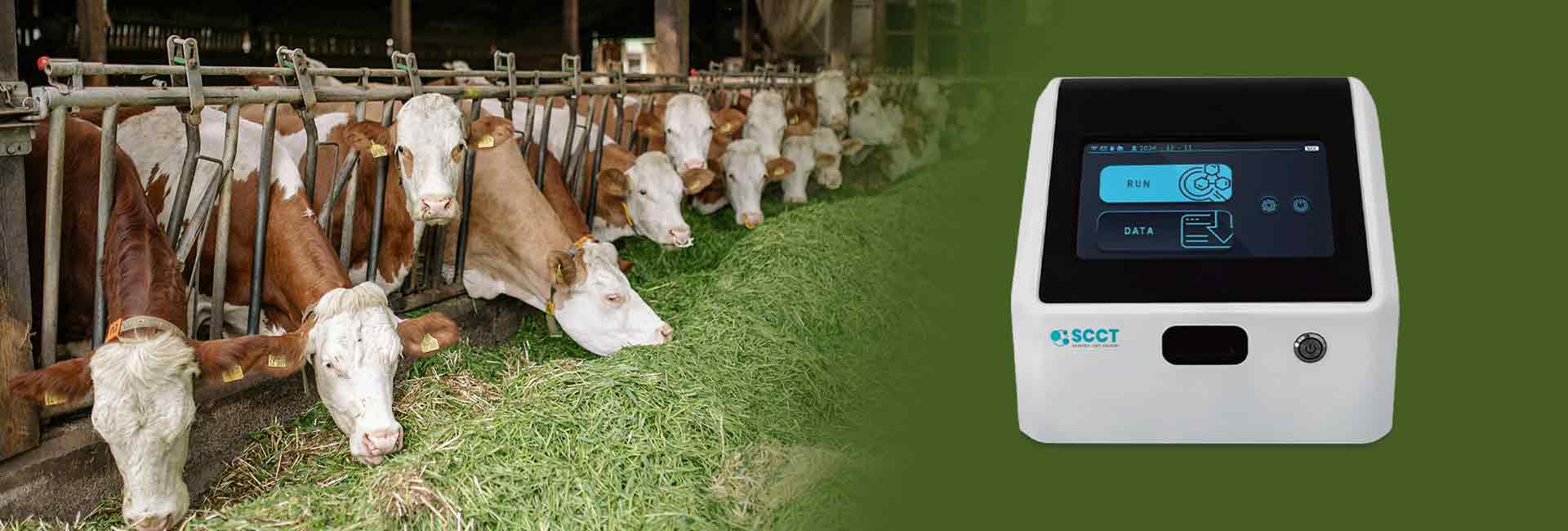


A somatic cell count tester uses advanced modules such as Coulter counters, Fossomatic systems, and laser-based flow cytometry to deliver precise somatic cell count measurements. Integrated sensor technology boosts accuracy and enables frequent, real-time analysis without the need for reagents. Devices show over 90% correlation with laboratory methods, proving their reliability for on-site testing. These innovations allow dairy professionals to monitor milk quality and herd health efficiently.
Key Takeaways
- Somatic cell count tester provides quick and accurate measurements of milk quality, helping dairy professionals monitor udder health effectively.
- Advanced sensor technology enables real-time analysis without reagents, allowing for frequent testing and immediate feedback on cow health.
- Regular monitoring of somatic cell counts can lead to early detection of mastitis, improving herd health and reducing financial losses.
- User-friendly interfaces make it easy for dairy staff to operate these testers, requiring minimal training for effective use.
- Investing in somatic cell count tester enhances milk quality, supports animal welfare, and boosts overall profitability for dairy operations.
Somatic Cell Count Tester Overview
Device Purpose
A somatic cell count tester plays a vital role in dairy production. The device measures the somatic cell count in milk, which serves as a key indicator of udder health. Farmers and dairy managers rely on this tool to assess milk quality quickly and accurately. An SCC below 100,000 often signals a healthy cow, while values above 200,000 may indicate mastitis or infection. By monitoring these levels, dairy professionals can protect herd health and maintain high standards for milk yield. The somatic cell count tester helps ensure that only milk meeting quality requirements enters the supply chain, supporting both animal welfare and economic success.
Note: Regular SCC monitoring directly impacts the financial rewards for dairy farmers by improving milk quality and reducing losses from disease.
Key Functions
Somatic cell count tester offers several essential functions that support dairy management and milk analysis:
- The tester determines the somatic cell count, which is crucial for mastitis screening programs.
- The device differentiates cell types, providing a more precise description of udder health.
- Advanced models enable rapid and simultaneous measurement of SCC and differential somatic cell count (DSCC).
These functions allow dairy managers to respond quickly to health issues and optimize milk production. The ability to analyze samples in real time without reagents makes the somatic cell count tester a valuable asset in modern dairy operations.
| Function | Benefit |
|---|---|
| SCC Determination | Early mastitis detection |
| Cell Differentiation | Detailed udder health assessment |
| Rapid SCC & DSCC Measurement | Faster decision-making |
Core Components of Somatic Cell Count Tester
Sample Collection Module
The sample collection module forms the foundation of every somatic cell count tester. This module ensures that milk samples remain uncontaminated and suitable for precise analysis. Devices such as QuantM use a magnetic-assisted cell concentrator (MACC) to separate cow’s milk somatic cells efficiently. Automated algorithms count somatic cells, reducing human error and improving accuracy. The module’s design minimizes contamination and supports user-friendly operation, making it ideal for dairy farms and remote clinics.
| Feature | Description |
|---|---|
| Device | QuantM, portable for on-site detection |
| Technology | Magnetic-assisted cell concentrator (MACC) |
| Image Processing | Automated algorithm for somatic cell counting |
| Advantages | Minimizes contamination, enhances accuracy, user-friendly |
| Application | Suitable for dairy farms and remote clinics |
The sample collection module preserves the milk composition, allowing for reliable measurements of cow’s milk somatic cells. This approach supports frequent testing and rapid analysis, which are essential for maintaining milk quality.
Sensor Technology Integration
Advanced sensor technology drives the performance of modern somatic cell count testers. These devices integrate multiple sensor types to achieve high accuracy and rapid measurements. Electrochemical sensors detect electrical signals from cow’s milk somatic cells, offering affordability and compatibility with portable systems. Biosensors use biological recognition elements to identify specific milk composition parameters, increasing specificity. Microfluidic sensors enhance detection speed and reduce sample volumes, making automated screening possible. Nanotechnology-based sensors expand the capabilities of the system, while AI-driven diagnostic platforms improve analysis and prediction.
- Electrochemical sensors provide reliable measurements in handheld somatic cell count testers.
- Biosensors deliver high specificity for milk composition analysis.
- Microfluidic sensors enable fast, automated screening of cow’s milk somatic cells.
- Nanotechnology-based sensors support advanced detection methods.
- AI-driven platforms use machine learning to interpret sensor data and predict health outcomes.
Devices such as Labby and GEA DairyMilk M6850 utilize these sensor technologies to deliver real-time, reagent-free analysis. The integration of microfluidic chips within the system allows for continuous monitoring and immediate feedback on milk quality.
Data Processing Unit
The data processing unit interprets sensor signals and transforms them into actionable information. This unit relies on anonymized data from hundreds of dairy herds, ensuring robust analysis. Data cleaning removes errors and duplicates, while machine learning algorithms such as XGBoost and Tidyverse process the information. The system defines raised somatic cell count as ≥400,000 cells/mL in the first four days post-calving and ≥200,000 cells/mL from day five to thirty. This approach supports accurate identification of health issues and enables timely intervention.
| Aspect | Description |
|---|---|
| Data Source | Anonymized data from 108 herds (1990–2022) |
| Data Cleaning | Removes missing data, duplicates, and records not meeting criteria |
| Machine Learning | Uses R-statistical software, Tidyverse, XGBoost |
| Outcome Variable | Individual cow somatic cell count status post-calving |
| SCC Definition | ≥400,000 cells/mL (1–4 days), ≥200,000 cells/mL (5–30 days) |
The data processing unit supports the analysis of milk composition and cow’s milk somatic cells, providing reliable measurements for dairy professionals. Systems like SenseHub Dairy SCC use these methods to deliver daily updates and actionable insights.
User Interface
The user interface connects dairy professionals with the somatic cell count tester’s core functions. Modern interfaces allow users to monitor cow behaviors, such as rumination and activity, and access data remotely from any device. Real-time notifications keep users informed about milk quality and herd health. Producer dashboards offer a user-friendly experience, making it easy to manage farm operations and review milk composition data.
| Feature | Description |
|---|---|
| Real-time Data | Provides immediate feedback on farm operations |
| Lab Results Access | Enables real-time monitoring of product quality |
| Real-time Notifications | Keeps users updated through multiple channels |
| Producer Dashboard | Simplifies management of farm operations |
- Users gain control over individual cows with monitoring solutions.
- The system captures essential animal behaviors 24/7.
- Dairy professionals access herd and individual cow data from any device.
Devices such as Labby and SenseHub Dairy SCC demonstrate how advanced sensor integration and intuitive interfaces improve accuracy, efficiency, and usability. These systems support frequent measurements and continuous analysis of cow’s milk somatic cells, ensuring optimal milk quality.
Sensor Technology & Accuracy
Enhanced Detection

Advanced sensor technology has transformed the way dairy professionals measure somatic cell counts in milk. The somatic cell count tester now uses a combination of microfluidic chip systems, light-scattering sensor arrays, and biosensors to deliver high accuracy. These sensors detect subtle changes in milk composition, providing precise measurements that support early detection of mastitis and other health issues.
- Direct detection methods, such as fluorescence photoelectric counting and flow cytometry, offer high accuracy but often require specialized training and can be expensive.
- Indirect methods, while easier to use, may lack the sensitivity needed for reliable somatic cell count measurements. Advanced sensors fill this gap by offering both sensitivity and user-friendly operation.
- Many modern somatic cell count testers integrate sensors that deduce somatic cell counts from viscosity changes in milk, a significant improvement over traditional electrical conductivity systems.
- The California Mastitis Test remains simple but lacks the specificity and sensitivity that advanced sensor technology now provides.
Microfluidic chip technology plays a key role in these improvements. The microfluidic chip allows for automatic counting accuracy by channeling milk samples through tiny pathways, where light-scattering sensor modules analyze cell content. This system reduces the risk of contamination and ensures consistent measurements. Dairy operations benefit from these innovations, as they can now rely on frequent monitoring and accurate analysis without the need for reagents.
Note: Lowering somatic cell counts in diary cow directly increases profits for dairy farmers. Elevated counts often lead to reduced milk production, lower pregnancy rates, and higher losses.
Real-Time Results
Real-time monitoring has become a standard feature in modern somatic cell count testers. The integration of microfluidic chip systems and light-scattering sensor technology enables immediate feedback on milk quality. Dairy professionals can now access real-time data on cow health and milk composition, allowing for rapid intervention when issues arise.
- Real-time data on cow behavior and physiological status supports early detection of health problems.
- Monitoring behaviors such as rumination helps identify illnesses, enabling timely treatment.
- Postpartum cows benefit from continuous monitoring, as early detection of disease can protect both milk yield and fertility.
The microfluidic chip and light-scattering sensor modules work together to provide automatic counting accuracy. These sensors analyze milk samples as they pass through the system, delivering results within seconds. This approach eliminates the need for reagents, making the process more efficient and environmentally friendly. Dairy operations can now perform frequent measurements, ensuring that milk quality sensors maintain high standards throughout the production cycle.
| Feature | Benefit |
|---|---|
| Microfluidic chip | Enables rapid, reagent-free analysis |
| Light-scattering sensor | Delivers high accuracy in cell counting |
| Real-time monitoring | Supports early intervention |
| Automatic counting accuracy | Reduces human error |
| Continuous analysis | Improves herd health management |
Reliability & Maintenance
The reliability of a somatic cell count tester depends on the sensor technology it uses. Optical sensors provide precise and quick results, making them suitable for both laboratory and on-farm environments. Electrical sensors offer robustness and require minimal maintenance, which is ideal for harsh dairy settings. Biosensors deliver high specificity, allowing for accurate detection of health issues in dairy cows.
The system design often includes microfluidic chip modules and light-scattering sensor arrays, which support consistent performance and reduce downtime. Dairy professionals appreciate the low maintenance requirements of these systems, as they can focus on herd management rather than frequent repairs.
- The Pasteurized Milk Ordinance (PMO) sets standards for monitoring bulk-tank somatic cell counts in the United States, ensuring milk quality.
- The Codex Alimentarius provides international guidelines on milk safety, composition, and hygiene, supporting fair trade and consumer protection.
Commercially available systems, such as the SenseHub In-Line Somatic Cell Count sensor, demonstrate the impact of advanced sensor technology on dairy operations. These systems help minimize antimicrobial use by accurately categorizing cows for treatment, reducing unnecessary interventions.
Tip: Regular use of somatic cell count testers with advanced sensors ensures compliance with regulatory standards and supports high milk quality.
The combination of microfluidic chip technology, light-scattering sensor modules, and robust system design allows dairy professionals to achieve reliable, accurate, and efficient measurements. Frequent monitoring and reagent-free analysis have become essential tools for maintaining herd health and optimizing milk production.
Cow’s Milk Somatic Cells in Practice
Dairy Applications
Cow’s milk somatic cells play a central role in milk quality analysis and cow’s udder health management. Dairy professionals use somatic cell count tester to monitor milk quality control and detect early signs of dairy mastitis. High somatic cell counts often signal inflammation or infection in the cow’s udder. Regular monitoring helps identify cows with elevated cell levels, allowing for targeted interventions.
- High somatic cell count links to lower milk quality and financial losses.
- Increased cell levels indicate potential health issues, especially mastitis.
- Monitoring supports milk quality standards and cow’s udder health.
Somatic cell count testing provides valuable data for milk quality analysis. When the count rises, leukocytes increase in milk. These immune cells release enzymes that change milkfat and protein composition. Such changes affect the overall quality of dairy products. Dairy managers rely on frequent analysis to maintain herd health and optimize milk production.
| Somatic Cell Count (SCC) | Implication For Udder Health |
|---|---|
| Less than 100,000 cells/ml | Uninfected udder |
| 100,000 to 199,999 cells/ml | Infection cannot be ruled out |
| 200,000 cells/ml or more | Infection is occurring or recent |
Somatic cell count testers with advanced sensor technology allow for real-time monitoring and rapid analysis. These devices help dairy farms maintain high milk quality control and reduce losses from mastitis. Lowering somatic cell counts leads to increased milk production and better profitability.
User Experience
Dairy professionals experience many benefits when using somatic cell count testers for cow’s milk somatic cells. Advanced sensors provide real-time data, supporting quick interventions and improved cow’s udder health. Frequent monitoring enables better trend analysis and reduces manual labor.
- The SCC sensor allows for fast action while the cow remains in-bail.
- More frequent data collection improves milk quality analysis and herd management.
- The technology speeds up milking and requires less skilled labor.
Continuous monitoring of cow’s milk somatic cells helps dairy managers focus on cows with udder infections. This approach supports early detection and treatment, leading to enhanced milk quality and herd health. Studies show a strong correlation between bulk tank SCC and chronic subclinical mastitis. Targeted interventions for affected cows improve overall milk quality outcomes.
| Benefit | Description |
|---|---|
| Improved monitoring of udder health | Real-time data enables timely interventions for cow’s udder health. |
| Early detection of infections | Quick identification of health issues prevents escalation. |
| Enhanced milk quality management | Continuous analysis ensures milk meets premium standards. |
| Better profitability | Improved health and quality increase milk production and market value. |
Dairy operations that use somatic cell count tester with advanced sensor technology achieve better milk quality control and herd health. Frequent analysis of cow’s milk somatic cells supports efficient management and higher profitability.
Conclusion

A somatic cell count tester combines a sample collection module, advanced sensor technology, a data processing unit, and a user interface to deliver precise diagnostics. These diagnostics systems use real-time, reagent-free sensors to improve accuracy and reliability. Dairy professionals benefit from early mastitis detection, improved milk quality, and cost-effective herd management. The table below highlights key advantages:
| Benefit | Description |
|---|---|
| Early Detection of Mastitis | Identifies mastitis in its early stages, allowing for timely treatment and isolation of affected cows. |
| Improved Milk Quality | Regular SCC monitoring leads to higher quality milk products for consumers. |
| Cost-Effectiveness | Long-term savings on veterinary services and increased production output outweigh initial costs. |
Advanced diagnostics empower users to make informed decisions, supporting healthier herds and better milk production.
FAQ
What Is a Somatic Cell Count Tester?
A somatic cell count tester measures the number of somatic cells in cow’s milk. Dairy professionals use this device to monitor udder health and milk quality. The tester provides fast, accurate results without requiring laboratory reagents.
How Does Advanced Sensor Technology Improve Accuracy?
Advanced sensor technology detects subtle changes in milk composition. Microfluidic chips and biosensors deliver precise cell counts. These sensors reduce human error and allow for frequent, real-time analysis.
Can the Tester Be Used Directly on the Farm?
Farmers can use a somatic cell count tester directly on the farm. Portable models provide immediate feedback. This helps dairy managers make quick decisions about cow health and milk quality.
Does the Tester Require Special Training?
Most somatic cell count testers feature user-friendly interfaces. Dairy staff can operate these devices with minimal training. Automated systems guide users through sample collection and analysis.
What Maintenance Does the Somatic Cell Count Tester Need?
Routine cleaning and calibration keep the somatic cell count tester working efficiently. Most models require little maintenance. Regular checks ensure sensors remain accurate and reliable.