
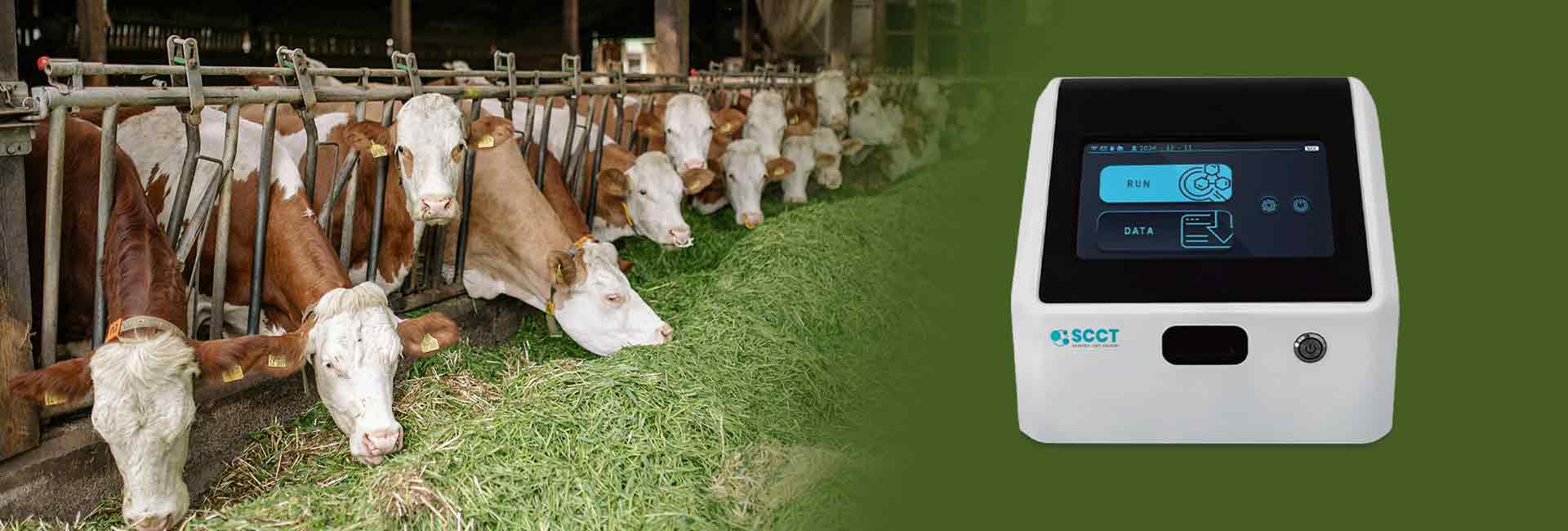



Dairy herds in California face frequent mastitis outbreaks, with environmental pathogens appearing most often in milk samples from recent years. Farmers often choose between rapid screening and laboratory precision when detecting subclinical mastitis. The California Mastitis Test offers higher sensitivity for identifying mastitis cases, while the somatic cell count tester provides greater specificity for confirming healthy cows.
Key decision factors include accuracy, sensitivity, cost, speed, and practicality. Each method serves unique needs in herd management.
Key Takeaways
- The California Mastitis Test (CMT) provides quick results for detecting mastitis, making it ideal for immediate herd assessments.
- Somatic Cell Count tester offers precise measurements, allowing for early detection of subclinical mastitis and better herd health monitoring.
- Combining both tests enhances accuracy in mastitis detection, helping farmers make informed decisions about treatment and management.
- Regular testing with CMT and somatic cell count tester can significantly improve udder health and milk quality in dairy herds.
- Farmers should choose testing methods based on their specific needs, balancing cost, speed, and accuracy for effective mastitis management.
California Mastitis Test (CMT)
How It Works?
The California Mastitis Test serves as one of the most widely used screening tools for detecting clinical mastitis in dairy cattle. Farmers collect a small sample of milk from each quarter of the udder and mix it with a reagent. The mixture reacts by forming a gel if the somatic cell count is elevated, indicating inflammation or infection. The test provides a quick, visual estimate of udder health and helps identify quarters affected by intramammary infection. Sensitivity varies depending on the type of pathogen present:
- Detecting intramammary infection with any pathogen: 56.7%
- Detecting major pathogens: 66.7%
- Detecting minor pathogens: 49.5%
The California Mastitis Test cannot detect somatic cell counts below 350,000 to 400,000 cells per milliliter, which limits its ability to identify early-stage clinical mastitis compared to a somatic cell count tester.
Pros and Cons
The California Mastitis Test offers several advantages for dairy cattle management:
- Simplicity and rapid results
- Cost-effectiveness for routine herd checks
- Early detection of inflammation
- Quick assessment of udder health
- Informed decisions about treatment and management
- Minimization of udder damage and milk losses
- Ability to adjust milking order based on test results
- Indication of treatment needs and effectiveness
- Improved veterinary service due to udder health history
- Reduced laboratory testing costs
However, the test has limitations. The table below summarizes common issues:
| Limitation Type | Description |
|---|---|
| False Negatives | CMT cannot detect SCC below 350 to 400,000 cells/ml |
| False Positives | Relatively insensitive leading to potential false positives |
When to Use?
Farmers often choose the California Mastitis Test for rapid detection of clinical mastitis, especially when laboratory methods are unavailable or too costly. The test proves particularly useful for identifying subclinical mastitis and provides qualitative estimates of somatic cell count. It helps avoid delays associated with laboratory-based methods and supports cost-effective herd management. When compared to the somatic cell count tester, the California Mastitis Test excels as a first-line detection tool, especially for differentiating infected quarters.
The chart below highlights the effectiveness of the California Mastitis Test in differentiating infected quarters in dairy cattle:
The California Mastitis Test group achieved a higher bacteriological cure proportion and a lower prevalence of new intramammary infection and clinical mastitis postcalving compared to the somatic cell count group. This demonstrates the value of the California Mastitis Test as a practical screening tool for managing clinical mastitis in dairy herds.
Somatic Cell Count Tester
How It Works?
A somatic cell count tester stands as the most effective tool for detecting subclinical mastitis in dairy herds. This device uses advanced technology to provide precise measurements of somatic cell count in milk. Most electronic somatic cell count testers rely on laser-based flow cytometry. The process begins when a milk sample mixes with a fluorescent dye that stains the DNA in somatic cells. The stained cells enter a carrier fluid stream and pass through a laser beam, causing them to fluoresce. The instrument converts these fluorescent pulses into electrical signals and sorts them by size to determine the somatic cell count. Farmers can use electronic somatic cell count testers directly on the farm, allowing for frequent monitoring and rapid results.
Tip: Electronic somatic cell count testers can detect somatic cell counts below 100,000 cells/mL, making them ideal for early detection of subclinical mastitis.
Pros and Cons
Somatic cell count tester offers several key benefits for dairy cattle management:
- Early detection of mastitis enables farmers to identify infections before symptoms appear.
- Regular herd monitoring helps track health trends and supports proactive management.
- Targeted treatment reduces unnecessary antibiotic use and meets regulatory standards.
- Improved milk productivity results from healthier cows with lower somatic cell counts.
- Accurate data supports quick decision-making and lowers diagnostic costs.
However, these devices present some challenges:
- The testing methods can be complex and expensive, limiting routine use on smaller farms.
- Instruments may require specialized training and maintenance.
- Rapid tests like the California Mastitis Test do not match the accuracy of somatic cell count testers.
When to Use?
Somatic cell count testers excel in situations where early detection of subclinical mastitis is critical. The following table highlights their advantages compared to traditional methods:
| Feature | SCC Testers | Traditional Methods |
|---|---|---|
| Measurement Type | Quantitative (numerical readings) | Qualitative (often subjective) |
| Sensitivity | High (detects low SCC levels) | Lower (may miss early signs) |
| Detection Threshold | Below 100,000 cells/mL | Above 200,000–300,000 cells/mL |
| Sample Type | Quarter and composite samples | Often limited to bulk tank samples |
| Result Time | 15 minutes waiting time | Varies, often longer |
| Monitoring Capability | Ideal for proactive management | Less frequent monitoring |
Somatic cell count tester serves as the gold standard for screening subclinical mastitis. The tester distinguishes between infected and uninfected quarters and have maintained relevance since the 1960s. Farmers use these devices for high-frequency screening, which improves udder health monitoring and supports herd well-being. Automated online somatic cell count testers also show moderate correlation with laboratory results, making them reliable for routine herd management.
Comparison
Accuracy

Accuracy plays a crucial role in mastitis detection for dairy cattle. The somatic cell count tester provides quantitative results with high sensitivity, detecting somatic cell counts as low as 100,000 cells/mL. This precision allows for early identification of subclinical mastitis, which often goes unnoticed with less sensitive testing methods. The california mastitis test, while effective for rapid screening, cannot detect somatic cell counts below 350,000 to 400,000 cells/mL. This limitation means it may miss early-stage infections.
Combining both tests can improve detection rates. When farmers use the california mastitis test alongside the somatic cell count tester, accuracy increases. Two consecutive measurements help confirm results and reduce the risk of false negatives or positives. Studies show that using both tests together enhances the detection of subclinical intramammary infection in dairy cattle.
| Test Combination | Detection Rate Improvement | Notes |
|---|---|---|
| CMT and SCC | Enhanced accuracy | Two consecutive measurements increase accuracy of results. Counts of 0.656 −1 indicate approximately 15% prevalence of subclinical mastitis in the flock. |
Cost
Cost remains a significant factor for many dairy operations. The california mastitis test stands out for its affordability, costing about $0.04 per test. In contrast, the somatic cell count tester costs around $1.35 per test, while the DeLaval cell counter costs $2.33 per test, not including the initial analyzer purchase. These differences can add up quickly, especially in large herds.
- California Mastitis Test (CMT): ~$0.04 per test
- Somatic Cell Count Tester (ST): ~$1.35 per test
- DeLaval Cell Counter (DCC): ~$2.33 per test (excluding analyzer cost)
Farmers must weigh the benefits of higher accuracy against the increased expense of advanced testing methods.
Ease of Use
Ease of use influences how often farmers can apply a test in daily herd management. The california mastitis test requires minimal training. Most farm workers can perform the test after a brief demonstration. However, interpreting the results can be subjective. A deeper understanding of mastitis and its implications helps ensure accurate decisions and may require further testing.
The somatic cell count tester, on the other hand, involves more complex procedures. Operators need training to handle the equipment and interpret the quantitative data. Maintenance and calibration also require attention. While the somatic cell count tester offers precise results, its complexity may limit its use on smaller farms or by less experienced personnel.
Speed
Speed of detection directly impacts herd health and farm profitability. The california mastitis test delivers immediate results, allowing farmers to make quick decisions about treatment and management. Early detection can reduce treatment costs, which range from Euro 27–43 per cow. The total yearly cost per cow affected by mastitis can reach USD 71 to USD 435, including treatment, milk production losses, and potential culling. Rapid identification also helps maintain animal welfare, as cows with mastitis show lower activity and reduced feed intake.
Somatic cell count tester provides results within about 15 minutes. This speed supports frequent monitoring and timely interventions. Automated diagnosis tools enable rapid herd-level assessments, allowing for prompt control measures. The MAST decision support system, for example, analyzes herd data to identify weaknesses and suggest solutions quickly.
Practicality
Practicality determines how easily a test fits into daily routines, especially in large-scale dairy operations. The california mastitis test requires only basic equipment:
| Equipment Needed | Description |
|---|---|
| CMT paddle | Used for testing milk samples |
| Gloves | For hygiene and safety |
| Reagent | Reacts with milk to indicate mastitis |
| Recording sheet | For documenting results |
Farmers can grade reactions from 0 (negative) to 3 (strongly positive), making the test simple to implement across many cows.
The somatic cell count tester, while more accurate, demands a greater investment in equipment and training. Its practicality increases in herds where early detection and precise monitoring are priorities. Automated systems can streamline the process, but the initial setup and ongoing maintenance may pose challenges for smaller farms.
Note: Using both the california mastitis test and the somatic cell count tester together can provide a balanced approach. This combination improves detection rates and supports better decision-making for herd health.
| Test Combination | Context | Findings |
|---|---|---|
| SCC and CMT | Dairy cattle with high bulk tank SCC | The study highlights the use of SCC and CMT results from individual quarter milk samples to detect subclinical intramammary infection. |
Conclusion

Choosing the right mastitis test depends on farm goals. The California Mastitis Test works best for quick, cost-effective screening and early detection. Somatic cell count tester offers precise, quantitative results for ongoing herd health monitoring. Veterinary experts recommend:
- Using CMT for immediate results and targeted treatments
- Combining both tests to improve detection and milk quality
- Implementing routine screening programs tailored to herd risk
| Practice | Benefit |
|---|---|
| SCC Monitoring | Tracks treatment success and ongoing inflammation |
| Quarter-Level Testing | Identifies persistent infections more accurately |
| Long-Term Monitoring | Ensures effective mastitis management over time |
Regular use of multiple tests and consultation with a veterinarian help maintain udder health and milk quality.
FAQ
What Is the Main Difference Between CMT and Somatic Cell Count Tester?
The California Mastitis Test gives a quick, visual result for mastitis screening. The somatic cell count tester provides a precise, numerical measurement of somatic cell levels in milk. Farmers use CMT for rapid checks and SCC testers for accurate monitoring.
How Often Should Farmers Use These Tests?
Farmers should use the California Mastitis Test weekly or after noticing changes in milk quality. They should use somatic cell count tester monthly or during routine herd health checks. Regular testing helps maintain udder health and milk quality.
Can Small Farms Benefit from Somatic Cell Count Tester?
Small farms can benefit from somatic cell count tester, but the cost and training may limit their use. Many small farms prefer the California Mastitis Test for its simplicity and low expense.
Are the Tests Safe for Cows and Milk?
Both tests are safe for cows and do not harm milk quality. Farmers use clean equipment and follow hygiene practices to prevent contamination. The tests only require small milk samples.
Do Veterinarians Recommend Using Both Tests Together?
Many veterinarians recommend using both tests together. This approach improves detection rates and supports better mastitis management. Farmers can identify infections early and confirm results with greater accuracy.