
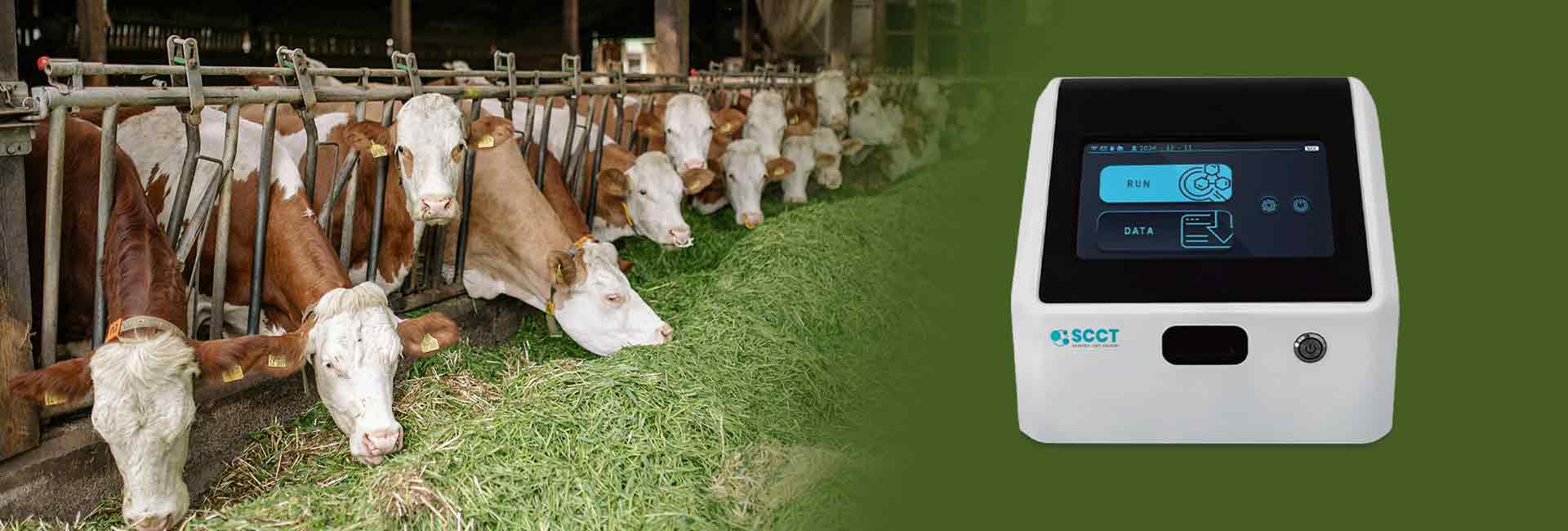


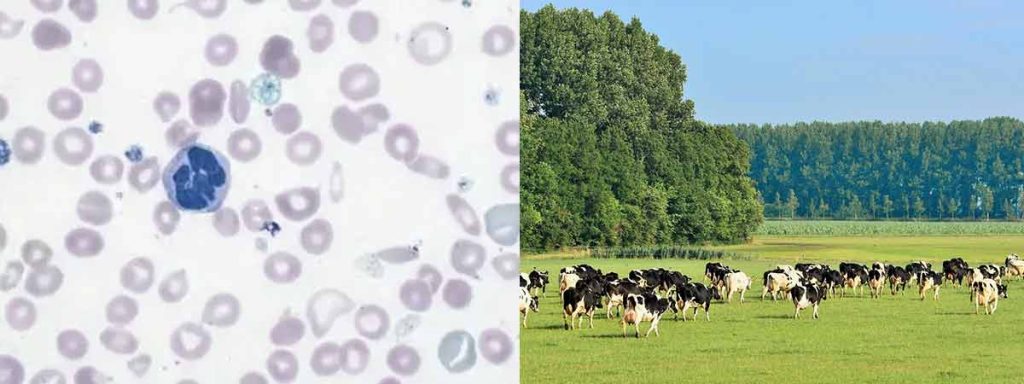
Mycotoxins often go unnoticed, yet they can silently influence somatic cell count in raw milk. Dairy farmers rely on this number to judge milk quality and herd health. Without regular testing, these hidden contaminants may escape detection. Many processors pay a premium for milk with low counts, and farmers with lower numbers can receive higher prices per hundredweight. The table below shows how monitoring helps protect both milk quality and animal well-being:
| Aspect | Impact on Milk Quality and Herd Health |
|---|---|
| Somatic Cell Count (SCC) | Lower SCC is better for cheese production and shelf life. |
| Milk Production | Elevated SCC is associated with lower milk production. |
| Pregnancy Rates | Higher SCC correlates with reduced pregnancy rates. |
| Death Losses | Increased SCC is linked to higher death losses in the herd. |
Understanding these effects allows producers to prevent losses and maintain high standards. They can take practical steps to keep their milk safe and profitable.
Key Takeaways
- Mycotoxins can harm dairy cows by weakening their immune systems, leading to higher somatic cell counts in milk.
- Regular testing of somatic cell counts helps farmers detect health issues early, ensuring better milk quality and higher prices.
- Farmers should monitor feed quality and storage conditions to reduce the risk of mycotoxin contamination.
- Using mycotoxin binders in feed can help protect cows from the harmful effects of these toxins.
- Implementing good herd management practices can prevent diseases and improve overall milk production.
How Mycotoxins Affect Somatic Cell Count in Raw Milk?
Immune Suppression and Infection Risk
Mycotoxins pose a serious threat to dairy cows by weakening their immune systems. When cows consume feed contaminated with mycotoxins, their bodies struggle to fight off infections. This immune suppression leads to a higher somatic cell count in raw milk. The increase in somatic cells, mainly white blood cells, signals that the cow’s body is responding to infection or inflammation. Mastitis, a common udder infection, often follows this process.
Researchers have found that mycotoxins such as aflatoxins and ochratoxins, produced by molds like Aspergillus, can suppress the immune system. Fusarium mycotoxins, including DON, also depress the ability of neutrophils (a type of white blood cell) to destroy harmful bacteria. The table below summarizes key findings from scientific studies:
| Evidence Description | Source |
|---|---|
| Feed contaminated with fusarium mycotoxins depressed blood neutrophil phagocytosis, affecting immune function in dairy cows. | Kosteleva et al. (2009) |
| Somatic cells in milk, primarily white blood cells, increase in number when infections like mastitis occur, indicating immune response. | Dairy Producers Robbed by Mycotoxins Every Day |
| Aflatoxins and Ochratoxins produced by Aspergillus mold can suppress the immune system, leading to higher somatic cell counts. | Understanding The Mysteries of Mycotoxins |
DON, also known as deoxynivalenol, is one of the most common mycotoxins found in dairy feed. It disrupts the immune system and makes cows more likely to develop infections. As a result, somatic cell count in raw milk rises, which can lower milk quality and increase the risk of mastitis outbreaks.
Subtle Signs and Missed Symptoms
The effects of mycotoxins often go unnoticed during routine herd checks. Many symptoms are mild or vague, making it difficult for farmers to spot problems early. Some cows may show reduced milk production, while others eat less feed or appear less healthy. These subtle changes can lead to long-term losses if not addressed.
Common signs of mycotoxin exposure include:
- Reduced production and feed consumption
- Intermittent diarrhea, sometimes bloody or dark
- Unthriftiness and rough hair coat
- Reduced reproductive performance, such as irregular estrous cycles and decreased conception rates
- Increased incidence of diseases like displaced abomasum, ketosis, and mastitis
DON exposure can cause these symptoms even at moderate levels. Studies show that moderate mycotoxin intake can reduce milk yield and lower conception rates. The table below highlights findings from several research studies:
| Study | Mycotoxin Level | Findings |
|---|---|---|
| Applebaum et al. | 13 mg AFB1/day for 7 days | Significant decrease in milk production |
| Ogunade et al. | 75 µg/kg DMI for 5 days | Numerical drop in milk yield |
| Sulzberger et al. | 100 µg AFB1/kg DMI | Depression in milk yield and feed conversion |
| Queiroz et al. | 75 µg/kg DMI for 4 days | No health effect |
| Kutz et al. | 112 µg AFB1/kg TMR DMI for 7 days | No health effect |
| Sumantri et al. | 350 µg AFB1/cow/day for 10 days | No health effect |
| Mosoero et al. | 0.16 µg/kg BW and 3.41 μg AFB1/cow/day for 3 days | No health effect |
DON can affect each cow differently. Some cows may show a clear drop in milk production, while others may only have subtle changes in health or fertility. These hidden effects make regular monitoring of somatic cell count in raw milk essential for early detection and intervention.
Scientific articles confirm that mycotoxins can lead to increased somatic cell counts, mastitis, and other health problems in dairy cows. Zearalenone (ZEN), another common mycotoxin, can move from feed to milk and cause metabolic changes. This process can further impact the quality of raw milk and raise somatic cell count in raw milk due to ongoing health challenges in the herd.
Regular testing and close observation help farmers catch these issues before they lead to major losses. By understanding the risks of DON and other mycotoxins, dairy producers can protect both herd health and milk quality.
Understanding Somatic Cell Count and Milk Quality
What Is Somatic Cell Count in Raw Milk?
Somatic cell count in raw milk measures the number of somatic cells, mainly white blood cells, present in a milliliter of milk. These cells increase when a cow’s udder faces infection or inflammation. Farmers and processors use this measurement as a key indicator of udder health and milk quality. Healthy cows usually produce milk with fewer somatic cells, while higher counts often signal problems such as mastitis.
Typical ranges for somatic cell count in raw milk include:
- In the United States, the regulatory limit is 750,000 cells per mL.
- Advocacy groups recommend lowering this limit to 400,000 cells per mL.
- Milk from healthy cows often contains less than 100,000 somatic cells per mL.
- Most raw milk falls between 20,000 and 400,000 cells/mL.
- Counts above 500,000 cells/mL may indicate mastitis.
Why Somatic Cell Count Matters for Milk Quality?
Somatic cell count in raw milk directly affects milk quality and shelf life. High counts can lead to faster spoilage, off flavors, and reduced cheese yield. The following tables show how different levels of somatic cells impact milk quality:
| SCC Level | Shelf Life Advantage (Days) | Off Flavor Type |
|---|---|---|
| Low (25,000) | 48 | Rancid (fat degradation) |
| High (340,000) | 0 | Bitter and astringent (protein degradation) |
| Milk Type | Casein Degradation | Plasminase Activity Post-Pasteurization |
|---|---|---|
| High SCC | Extensive | 30-40% retained |
| Low SCC | Minimal | Negligible |
Milk with a low somatic cell count maintains better quality, flavor, and shelf life. High counts can cause significant protein breakdown and leave more enzymes active after pasteurization, which reduces overall milk quality.
Using a Somatic Cell Count Tester
Regular testing with a somatic cell count tester helps farmers detect problems early and maintain high milk quality. This tool provides fast and accurate results, allowing for quick action if counts rise. The benefits of using a somatic cell count tester include:
| Benefit | Description |
|---|---|
| Higher Milk Purchase Price | Low counts can earn farmers premium prices for their milk. |
| Reducing Animal Treatment Costs | Early detection lowers veterinary and treatment expenses. |
| Increasing Cow Productivity | Cows with low counts produce more milk, boosting farm profits. |
| Lower Antibiotic Costs | Regular monitoring reduces the need for antibiotics, improving milk quality. |
| Improving Herd Reproductive Efficiency | Low counts support better fertility and herd longevity. |
| Reducing Milk Wastage | Monitoring prevents milk rejection by processors, protecting revenue. |
| Access to Premium Markets | Low counts open doors to organic and specialty markets. |
Regular use of a somatic cell count tester supports early intervention and helps maintain the highest standards for milk quality.
Mycotoxins in Dairy Feed and Exposure Risks
Common Mycotoxins in Feed
Dairy cows face risks from several types of mycotoxins in their feed. These toxic compounds come from molds that grow on crops before or after harvest. The most common mycotoxins found in dairy feed include deoxynivalenol, zearalenone, and fumonisins. These mycotoxins often appear in silage and cereals, which make up a large part of dairy rations.
| Mycotoxin | Primary Sources |
|---|---|
| Deoxynivalenol (DON) | Silage, cereals |
| Zearalenone (ZEN) | Silage, cereals |
| Fumonisins (FBs) | Silage, cereals |
Deoxynivalenol, also called vomitoxin, is the most frequently detected Fusarium mycotoxin. Zearalenone has estrogenic effects and also comes from Fusarium molds. Fumonisins are common in the southern United States. These mycotoxins show high rates of contamination in dairy feed. Studies report that deoxynivalenol appears in 38 to 54 percent of silage, compound feed, and feed commodity samples. Zearalenone occurs in 17 to 38 percent of these samples.
| Mycotoxin | Incidence in Feedstuffs |
|---|---|
| Deoxynivalenol (DON) | 38–54% |
| Zearalenone (ZEN) | 17–38% |
Aflatoxins also pose a major threat. These toxins develop in warm, humid conditions and can contaminate corn, cottonseed, and other grains. Aflatoxin m1, a byproduct, can pass into milk and affect food safety.
How Cows Are Exposed?
Cows become exposed to mycotoxins through feed contaminated with mycotoxins. Contamination can occur in the field, during harvest, or while feed is stored. Mold growth increases when feed stays wet or warm for long periods. Farmers may not see visible mold, but mycotoxin contamination can still exist.
Dairy cows eat large amounts of feed every day. Even small amounts of contamination can build up and cause health problems. Aflatoxins, deoxynivalenol, and other mycotoxins can weaken the immune system, lower milk production, and increase somatic cell count. Mycotoxin contamination varies from batch to batch, making regular testing important.
Farmers should monitor feed quality and storage conditions to reduce the risk of mycotoxins. Early detection helps protect dairy herds from hidden losses caused by contamination.
Biological Mechanisms of Mycotoxins
Immune System Disruption
Mycotoxins can disrupt the immune system of dairy cows in several ways. DON, a common mycotoxin, binds to ribosomes inside cells and blocks protein production. This action triggers a stress response that affects how immune cells work. When DON enters the body, it can change the way genes are expressed in immune cells. For example, DON at 0.39 μmol/L decreases cell viability and changes the expression of important genes. Another mycotoxin, BEA, also reduces cell health and alters gene activity. These changes make dairy cows more likely to get sick.
| Mycotoxin | Mechanism of Action | Effect on Immune Function |
|---|---|---|
| DON | Binds to ribosomes, inhibits translation | Activates ribotoxic stress response, affects protein synthesis and signal transduction |
| Mycotoxin | Concentration | Effect on Cell Viability | Gene Expression Changes |
|---|---|---|---|
| DON | 0.39 μmol/L | Decreased viability (P < 0.001) | Upregulated zonula occludens-1, downregulated claudin 3 (P < 0.05) |
| BEA | 2.5 μmol/L | Decreased viability (P < 0.001) | Upregulated zonula occludens-1, downregulated claudin 3 (P < 0.05) |
Inflammation and Mastitis
Mycotoxins in the diet can lead to more inflammation in dairy cows. DON weakens the immune system, which increases the risk of diseases like mastitis. When cows eat feed with mycotoxins, their bodies cannot fight infections well. This problem leads to more cases of mastitis. Studies show that managing mycotoxins can lower mastitis rates. One study found a 30.3% drop in mastitis after using a mycotoxin binder. Mycotoxins also make nutritional imbalances worse, which harms cow health.
- Mycotoxins impair the immune system, raising the risk of mastitis.
- DON exposure increases inflammation and infection risk.
- Mycotoxins act as confounding factors in nutrition, leading to disease.
Increased Bacterial Load
When DON and other mycotoxins disrupt the immune system, bacteria can grow more easily in the udder. This situation causes the somatic cell count to rise. Research shows that after using a mycotoxin management product, the somatic cell count dropped from 743,000 to 354,000 cells per mL—a 39% decrease. This result shows how mycotoxins can raise somatic cell count and harm milk quality. Dairy cows exposed to DON often have higher bacterial loads and more health problems.
| Condition | Somatic Cell Count (× 10^3/mL) |
|---|---|
| Before Mycofix | 743 ± 50.1 |
| After Mycofix (3 months) | 354 ± 20.3 |
Regular monitoring and mycotoxin control can help protect dairy cows from these hidden dangers.
Prevention and Mitigation for Milk Quality
Monitoring Feed and Storage
Dairy farms can reduce mycotoxin risks by focusing on feed and storage practices. Delayed harvesting often exposes crops to wet conditions, which increases fungal growth and mycotoxin contamination. Proper drying and storage keep grains safe for dairy cows. Well-ventilated storage prevents moisture buildup. Regular inspections help identify mold or pests early. Removing compromised grains protects the herd. Cleaning equipment and storage areas reduces mold spores. Routine testing and monitoring at different supply chain stages allow for quick detection of mycotoxins. These steps help maintain milk quality and support healthy milk production.
- Delayed harvesting increases risk of mycotoxins.
- Dry grains to safe moisture levels after harvest.
- Use well-ventilated storage.
- Inspect storage for mold and pests.
- Clean equipment and storage areas.
- Test and monitor feed regularly.
Practical Use of Somatic Cell Count Tester
Dairy producers use a somatic cell count tester to monitor herd health. Regular testing helps detect problems from mycotoxins and don before they affect milk. Early identification of high somatic cell counts allows for quick action. This practice protects milk quality and supports consistent milk production. Routine testing also reduces treatment costs and milk rejection by processors. Dairy farms that use a somatic cell count tester can respond faster to changes in herd health.
- Regular feed testing identifies mycotoxin contamination.
- Mycotoxins and don in feed lower milk quality and yield.
- Testing ensures feed stays within safe limits.
Mycotoxin Binders and Additives
Dairy producers can add mycotoxin binders to feed to reduce the impact of mycotoxins and don. These products include organic acids, activated charcoal, selected silicates, yeast cell wall components, and surfactants. Binders trap mycotoxins in the digestive tract, preventing absorption. This strategy helps maintain milk quality and supports healthy dairy herds.
- Organic acids
- Activated charcoal
- Selected silicates
- Yeast cell wall components
- Surfactants
Farm Management Best Practices
A strong herd health program costs less than treating diseases later. Dairy farms benefit from risk management and biosecurity. These programs address milk production, disease prevention, and animal welfare. Keeping a closed herd prevents new diseases. Good management reduces death loss and improves milk safety. Dairy producers who follow these steps protect their cows from mycotoxins, don, and other risks.
Effective prevention and mitigation strategies help dairy farms maintain high milk quality and support strong milk production.
Conclusion
Mycotoxins like don create hidden risks for milk quality by raising somatic cell count and causing health problems in dairy cows. Farmers face challenges such as masked mycotoxins, nonspecific symptoms, and increased metabolic disorders. Unchecked, aflatoxins in milk can threaten food safety and trade. Regular monitoring and early intervention with don management improve economic outcomes and animal health. Ongoing education helps farmers use binders and safe feed practices. The table below shows how don and other toxins affect milk:
| Challenge | Impact on Milk and Herd |
|---|---|
| Masked mycotoxins | Hard to detect, raise don |
| Metabolic disorders | Increase don, lower milk |
| Aflatoxin contamination | Threatens milk safety |
Proactive management protects herd health, supports safe milk and reduces losses from don.
FAQ
What Are Mycotoxins and Why Should Dairy Farmers Care?
Mycotoxins are toxic substances produced by molds. They can contaminate dairy feed and harm cow health. Farmers should care because mycotoxins raise somatic cell count, lower milk quality, and increase disease risk.
How Does Don Affect Somatic Cell Count in Raw Milk?
Don, also called deoxynivalenol, weakens the immune system in cows. This effect leads to more infections and inflammation. As a result, somatic cell count in raw milk rises, which signals health problems in the herd.
Can Mycotoxins Be Present without Visible Mold?
Yes, mycotoxins often exist even when feed looks clean. Invisible contamination can still harm cows. Regular testing for mycotoxins and don helps farmers catch hidden risks before they impact milk quality.
What Steps Help Reduce Don and Other Mycotoxins in Dairy Feed?
Farmers can dry grains, use proper storage, and test feed often. Adding binders to rations helps trap don and other mycotoxins. These steps protect cows and keep somatic cell count low.
Why Is Regular Testing Important for Don and Mycotoxins?
Regular testing detects don and other mycotoxins early. This practice allows farmers to act before problems grow. Early action keeps milk quality high and supports herd health.