



Do most farmers realize how much high SCC can drain their profits? Even a slight rise in somatic cell count can lead to serious financial setbacks. For example, one study shows that the average economic loss per farm reaches $533, with most losses coming from discharged milk.
| Metric | Value (USD) |
|---|---|
| Average economic loss per farm | 533 |
| Total loss for cooperatives | 110,962 |
| Loss due to reduced milk price | 10.4% of total loss |
| Loss due to discharged milk | 89.6% of total loss |
A 100-cow herd with a somatic cell count between 100,000 and 200,000 can lose over $8,000, while higher levels cut profits by tens of thousands. Using a reliable tester gives accurate numbers, helping farmers protect their income and make better decisions.
Key Takeaways
- High somatic cell count can lead to significant financial losses for dairy farms, averaging $533 per farm due to reduced milk production and quality.
- Farmers can calculate their losses by using a simple formula that considers somatic cell count and its impact on milk yield, helping them make informed decisions.
- Regular monitoring of somatic cell count with reliable testers is crucial for early detection of mastitis and maintaining herd health, ultimately protecting profits.
- Implementing best practices, such as maintaining clean bedding and proper milking procedures, can significantly reduce SCC and improve overall farm profitability.
- Setting measurable goals and regularly reviewing progress with advisors helps farms effectively manage SCC and enhance milk production and income.
High SCC Loss Formula
Quick Calculation Steps
Farmers can estimate financial losses from high SCC by using a straightforward formula. The calculation considers several variables, including somatic cell count (SCC) and somatic cell score (SCS). The SCS formula is:
SCS = log₂(SCC/100,000) + 3
The following table outlines the main variables used in high SCC loss calculations:
| Variable | Description |
|---|---|
| SCC | Somatic Cell Count |
| SCS | Somatic Cell Score calculated using the formula: SCS=log₂(SCC/100,000)+3 |
To calculate losses, follow these steps:
- Record the current SCC for the herd.
- Calculate the SCS using the formula above.
- Estimate the reduction in milk yield and income based on SCC increase.
- Multiply the loss per cow by the number of cows in the herd.
Tip: Regularly tracking SCC with a reliable tester helps ensure accurate calculations and timely interventions.
Example Loss Calculation
A real-world example demonstrates the impact of high SCC on farm income. When SCC rises from 150,000 to 250,000 cells/ml, the following changes occur:
- An increase of 100,000 cells/ml in bulk tank somatic cell count leads to a loss of 6.1 pounds of milk per cow per day.
- The financial impact equals $0.64 per hundredweight (cwt) in net farm income.
- For a 100-cow herd, this results in a significant reduction in total milk production and income.
Studies show that elevated high SCC correlates with lower milk production and increased costs related to mastitis management. The difference in SCC between the best and worst herds links to a notable gap in milk yield and farm income. For example, herds with SCC at 134,000 cells/ml produce 11 pounds more milk per cow per day and earn $159 more per cow compared to herds with higher SCC levels.
| SCC Level (cells/mL) | Milk Production Difference (pounds/cow/day) | Net Farm Income Difference ($/cow) |
|---|---|---|
| 134,000 | 11 | 159 |
| 284,000 | – | – |
Farmers who focus only on milk yield in breeding programs may see unintended increases in mastitis, which further impacts milk production and income. High scc not only reduces milk yield but also increases costs for mastitis management and lowers overall profitability.
Note: Calculating losses from high SCC helps farmers understand the true cost and motivates them to take action for improvement.
Costs of High Somatic Cell Count
High somatic cell count creates several types of costs for dairy farms. These costs affect milk production, milk quality, and overall profitability. The financial impact can be seen in direct expenses, lost premiums, and hidden costs that reduce efficiency.
Milk Yield Reduction
Milk production losses represent the largest cost for farms dealing with high somatic cell count. Research shows that every increase of 100,000 cells in bulk tank somatic cell count leads to a loss of 5.5 pounds of milk per cow per day. Over a year, this equals about 2,008.5 pounds of milk per cow. Each rise in linear score doubles the actual count, causing a uniform loss of 1.5 pounds of milk daily. Clinical mastitis and subclinical mastitis both contribute to these losses. Farms with high somatic cell count often see daily milk loss ranging from 0.7 to 2.0 kg per cow, depending on lactation stage and parity. Reduced milk production not only lowers sales but also affects feed efficiency.
Lost Premiums and Pay Price Deductions
Milk quality plays a major role in determining pay prices and premiums. Milk processors offer higher pay for milk with low somatic cell counts. When farms exceed legal limits, they lose quality premiums and face deductions. In major dairy markets, quality premium losses can reach significant amounts. For example, in a study of 150 herds, premium losses totaled over 1.3 million LE. These losses account for 7% of the total costs linked to sub-clinical mastitis. Low somatic cell counts improve technological traits and extend shelf life, making milk more valuable. Farms with high counts miss out on these benefits and face direct financial impact.
Treatment and Mastitis Costs
Clinical mastitis leads to high treatment costs and increased culling rates. Direct costs can reach $662 per milking cow each year. Farms spend more on management and labor to control mastitis. Veterinary expenses rise as 60–70% of antibiotics on dairy farms are used for mastitis treatment. High somatic cell count also causes milk waste, reducing overall sales. Hidden costs include reduced milk quality, lower market value, and economic damage from mastitis, which can total billions in large regions. Increased antibiotic use raises concerns about resistance, adding another layer of cost.
Note: The table below summarizes the main cost categories associated with high somatic cell count.
| Cost Category | Description |
|---|---|
| Direct Costs | A mastitis infection can lead to a significant cost of $662 per milking cow per year. |
| Management and Labor Costs | Additional management and labor costs incurred due to high SCC. |
| Culling Rate | Higher culling rate of affected cows, impacting herd productivity. |
| Milk Waste | Loss of milk due to high SCC, affecting overall milk production and sales. |
Milk production losses, lost premiums, and treatment costs combine to create a serious financial impact for dairy farms. High somatic cell counts also reduce feed efficiency and shorten milk shelf life, making it harder for farms to stay profitable.
Estimate Your Farm’s SCC Losses
Gather SCC and Production Data
Farmers who want to understand their losses from high SCC should start by collecting accurate data. The most reliable source for monitoring milk quality and udder health is the bulk tank SCC. This measurement gives a clear picture of the herd’s overall status. Farmers should record daily milk production for each cow and the entire herd. Using bulk tank scc readings helps them track changes over time and spot trends that affect profit. Diagnostic tests such as the California Mastitis Test, Porta SCC milk test, and DeLaval cell counter provide valuable information about SCC levels and subclinical mastitis. Consistent data collection supports better decision-making from an economic perspective.
Tip: Frequent measurements of SCC improve the accuracy of loss calculations. Averaging results over 24 hours increases reliability and helps farmers see the true impact on profit.
Use a Somatic Cell Count Tester

A somatic cell count tester is essential for regular monitoring. Farmers can choose from several types of testers, each with unique features. Portable testers work well for small and medium farms, offering quick results and easy handling. Laboratory testers deliver high accuracy and are common in dairy processing plants. Automated inline testers monitor SCC during milking and integrate with milking systems. The DeLaval Cell Counter provides results in under a minute and is validated against laboratory methods. The Somatic cell count test also gives fast and reliable scc readings. Farmers should select a tester that fits their herd size, budget, and management style.
| Type Of Tester | Description | Example Models |
|---|---|---|
| Portable Testers | Battery-powered, easy to use, ideal for small/medium farms | Portable milk analyzers with SCC modules |
| Laboratory Testers | Extremely accurate, used in labs and processing plants | Fluorescence-based analyzers, flow cytometers |
| Automated Inline Testers | Continuous monitoring during milking, installed in milking line | Automated milking systems with SCC sensors |
| Key Features | Accuracy, speed, ease of use, data storage, durability, maintenance cost | N/A |
Apply the Formula to Your Numbers
Farmers can estimate losses from high SCC by applying a simple formula. First, they collect and submit milk samples to identify bacteria causing elevated scc. Next, they interpret test results to determine if the bacteria are environmental or contagious. Then, they develop a management plan based on the findings. For contagious bacteria, culling infected cows and improving milking procedures may be necessary. For environmental bacteria, farmers should check bedding cleanliness and equipment. After gathering all data, they use the SCC loss formula:
SCS = log₂(SCC/100,000) + 3
They calculate the reduction in milk yield and income, then multiply the loss per cow by the herd size. This process gives a clear view from an economic perspective and helps protect profit. Regular use of a somatic cell count tester ensures accurate tracking and supports ongoing improvement.
Note: Applying the formula to farm-specific SCC data allows farmers to see the direct impact on profit and make informed management decisions.
Reduce High SCC Impact
Track SCC Regularly
Dairy farms benefit from consistent monitoring of somatic cell count. Real-time SCC tracking systems, such as those using microfluidic chips and optical sensors, deliver results in just two minutes. These systems cost less than $1,000 to install and each test costs under $1. They provide reliable data comparable to commercial cytometers. Farms in resource-limited areas can access SCC testing more easily with these tools. Automated online cell count sampling also helps farmers monitor individual cow health and spot mastitis risks early. Filtering data and using time-series models allow for accurate trend analysis.
| Feature | Description |
|---|---|
| On-site Use | Real-time SCC monitoring with microfluidic chip and optical system |
| Cost | Under $1,000 for setup; less than $1 per test |
| Speed | Results in 2 minutes |
| Accuracy | Matches commercial cytometer reliability |
| Accessibility | Suitable for resource-limited settings |
Tip: Frequent SCC testing helps farmers respond quickly to changes and protect herd health.
Best Practices for SCC Control
Effective SCC control starts with daily routines and staff training. Farms should maintain clean and dry bedding to reduce bacteria. Fans and sprinklers keep cows cool, lowering heat stress and SCC. Employees trained in standard operating procedures (SOPs) help prevent new infections. Proper milking procedures, such as timely teat disinfection and gentle handling, protect teat integrity. Routine equipment maintenance prevents SCC spikes. Farms should deliver fresh feed and push up often to encourage eating after milking. Adequate feed bunk space reduces stress and disease risk. Mastitis testing tools, like the California Mastitis Test, identify infections early.
- Maintain clean bedding and housing
- Use cooling systems during hot weather
- Train staff in SOPs and milking hygiene
- Disinfect teats and use gloves
- Provide fresh feed and enough bunk space
- Test for mastitis regularly
Block Quote:
Mastitis remains the most common and costly disease on dairy farms, raising SCC and causing economic losses. Managing mastitis through improved immune function and hygiene is essential for SCC control.
Set Goals and Monitor Progress
Setting measurable goals helps farms lower SCC effectively. Farms should aim for specific targets, such as keeping SCC below 200,000 cells/ml for six months. Monthly meetings with dairy advisors allow teams to review progress. If results fall short, farms should check if the plan was followed or if the SCC source was misidentified. Adjusting strategies and monitoring new results ensures improvement. Farms should use S.M.A.R.T. goals—specific, measurable, attainable, realistic, and timed. Regular data assessment shows progress and highlights areas needing attention.
- Meet monthly with advisors to evaluate SCC trends
- Modify action plans if progress stalls
- Monitor control points as milk quality improves
Note: Seasonal changes, cow age, and lactation stage affect SCC. Farms should adjust management practices to address these factors and maintain low SCC year-round.
Conclusion
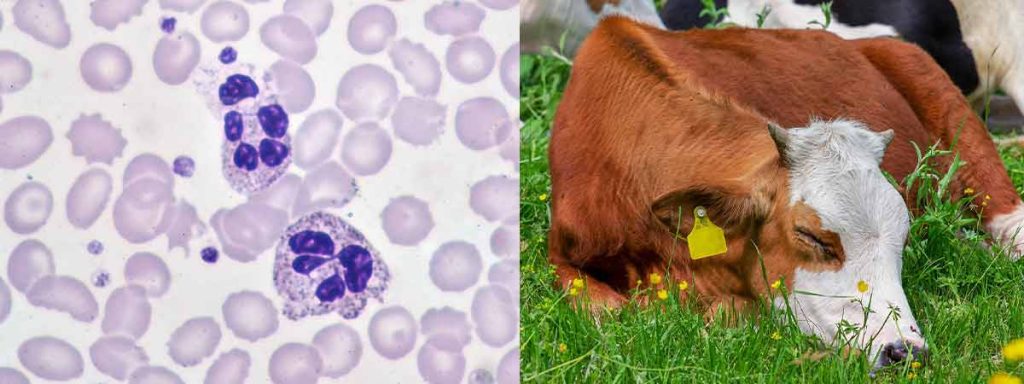
Recognizing SCC losses helps dairy farms boost profitability. The table below shows how lower SCC leads to more milk and higher income per cow.
| SCC Level (cells/mL) | Milk Production (lbs/cow/day) | Net Income ($/cow) |
|---|---|---|
| 152,000 | +11 | +159 |
| 284,000 | — | — |
Regular SCC tracking with a tester offers several advantages:
- Early mastitis detection improves herd health.
- Healthier cows produce more milk and increase farm profits.
Taking action now protects dairy farm profits and supports long-term success.
FAQ
What Is a Normal Somatic Cell Count in Cows?
A normal somatic cell count in cows is usually below 200,000 cells per milliliter. Herds with SCC under this level often have healthier cows and higher milk quality.
How Often Should Farmers Test for SCC?
Farmers should test for SCC at least once a month. More frequent testing, such as weekly or during each milking, helps detect problems early and improves herd health.
Can High SCC Milk Be Sold?
Milk with high SCC may not meet processor standards. Many buyers reject milk above 400,000 cells per milliliter. Selling high SCC milk can result in lost premiums or penalties.
What Causes High Somatic Cell Counts?
High SCC often results from mastitis, poor milking hygiene, or dirty bedding. Stress, injury, and equipment problems can also increase SCC in dairy cows.
How Does Reducing SCC Benefit a Dairy Farm?
Lowering SCC improves milk yield, increases income, and reduces treatment costs. Healthier cows also have longer productive lives and better reproductive performance.