
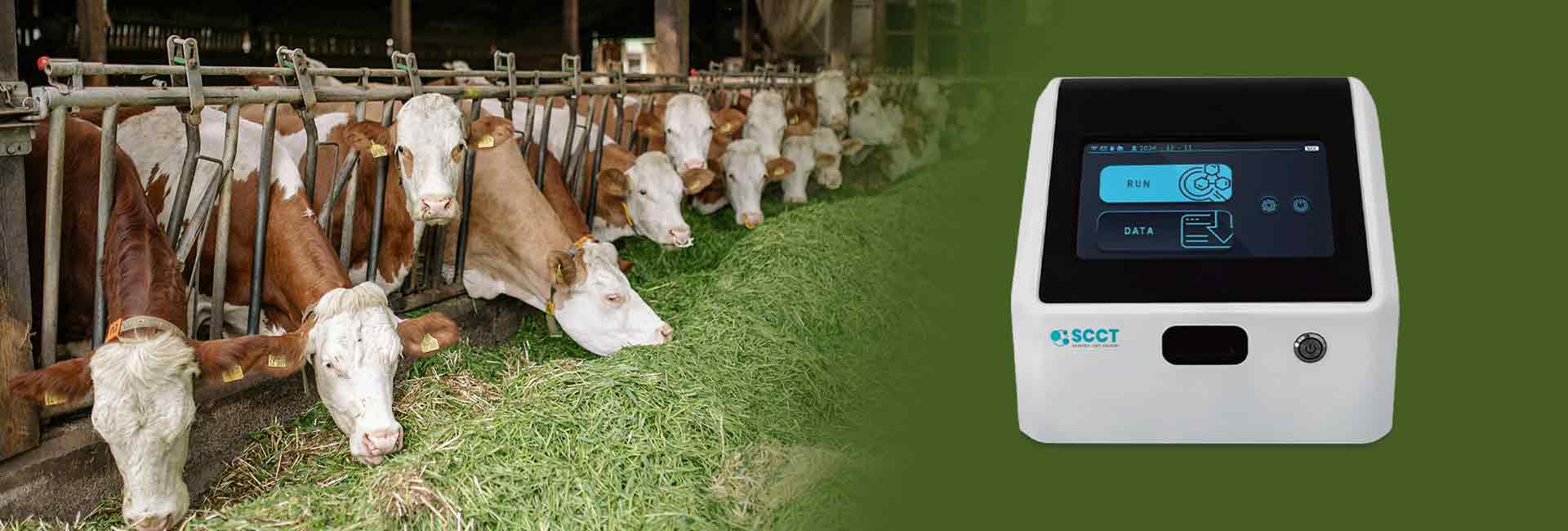


Proper battery care ensures a somatic cell count tester remains reliable during every testing session. A well-maintained battery helps this affordable device deliver accurate results of somatic cell count without interruption. Users who check the battery level regularly and select high-quality options for their diagnostic device experience fewer disruptions. Routine attention to battery health supports longer device life and consistent operation.
Key Takeaways
- Regularly check the battery level before testing to ensure reliable somatic cell count results.
- Use high-quality batteries recommended by the manufacturer to maintain device accuracy and safety.
- Store batteries in a cool, dry place and keep them at about 50% charge for optimal health.
- Monitor for signs of battery wear, such as shorter life or unexpected shutdowns, to prevent inaccurate readings.
- Follow a proper charging routine to extend battery life and avoid mistakes that can damage the battery.
Battery Basics
Battery Type
Many popular somatic cell count testers, such as the RT10 and DeLaval Cell Counter ICC, rely on specific battery types to deliver consistent results. These devices typically use a 9-volt, 500 mAh battery. This choice supports the high sensitivity and specificity required for accurate milk quality analysis. The battery’s capacity allows for extended operation, which is crucial when testing multiple samples of raw milk in a single session.
- Common battery types in somatic cell count testers:
- 9-volt battery (used in DeLaval Cell Counter ICC)
- 500 mAh capacity for longer runtime
A fully charged battery can power a tester for approximately 12 to 14 hours at a 35 mAh draw. This duration ensures that users can complete several rounds of milk quality checks without interruption. Consistent battery performance directly impacts the accuracy readings of somatic cell count, which in turn affects the reliability of milk quality assessments.
Lifespan Signs
Over time, batteries in somatic cell count tester may show signs of wear or failure. Recognizing these signs helps maintain the sensitivity and specificity of each test, ensuring accurate results for raw milk samples. The following table outlines common indicators that a battery may need attention or replacement:
| Sign Of Battery Wear Or Failure | Description |
|---|---|
| Shorter Battery Life | Device doesn’t hold a charge as long as it used to. |
| Overheating During Charging | Device gets unusually hot while charging. |
| Inability To Charge | Device won’t charge at all, indicating a dead battery. |
| Unexpected Power Offs | Device shuts down unexpectedly, even with sufficient charge. |
| Inaccurate Battery Indicator | Battery indicator misrepresents the remaining charge. |
| Sluggish Device Response | Slow performance can indicate a weak battery. |
Users should monitor these signs closely. Shorter battery life or unexpected shutdowns can compromise the accuracy of somatic cell count score. A sluggish response may also reduce the sensitivity and specificity of the device, leading to unreliable milk quality data. Regular checks and timely battery replacement help maintain optimal performance and ensure every raw milk test meets high standards.
Charging Your Somatic Cell Count Tester
Charging Routine
A reliable charging routine helps maintain the accuracy and longevity of any somatic cell count tester. Users should always check the battery level before starting a testing session. Several reliable methods exist for checking battery levels:
- Measuring voltage and current while the device operates under load
- Assessing internal resistance to determine battery health and capacity
- Using a capacity tester to check the battery’s capacity, voltage, and current
- Comparing charge and discharge efficiency to measure overall battery performance
These steps help users identify potential issues before they affect the accuracy of somatic cell count. High-quality batteries provide better performance and last longer, supporting consistent device operation.
For best results, users should keep lithium battery packs between 20% and 80% charge. This range extends battery life and maintains performance. Allowing the battery to drop below 20% or charging it to a full 100% can increase the risk of cell degradation. Avoiding full discharges prevents stress on the battery cells and helps preserve their capacity. Regular monitoring and proper charging routines ensure the device delivers accurate somatic cell count readings every time.
Tip: Always use batteries recommended by the manufacturer to maintain device accuracy and safety.
Charging Mistakes
Mistakes during charging can reduce battery life and compromise the accuracy of somatic cell count results. Some common errors include:
- Overcharging the battery
- Using chargers that are not compatible with the device
- Leaving the device plugged in for extended periods after reaching full charge
- Allowing the battery to fully discharge before recharging
Overcharging lithium-ion batteries can lead to thermal runaway, which increases the risk of explosion, especially in high-temperature environments. This situation not only poses a safety hazard but also causes a significant decrease in battery health. Careful charge control prevents damage to the device and ensures reliable operation.
Using the wrong charger or leaving the device plugged in for too long can also harm the battery. These mistakes may result in inaccurate battery indicators or unexpected device shutdowns. Users should always follow the manufacturer’s guidelines for charging to protect both the battery and the accuracy of somatic cell count measurements.
Note: Avoid charging the device in extremely hot or cold environments, as temperature extremes can affect battery performance and accuracy.
Extending Battery Life
Storage Tips

Proper storage of somatic cell count testers and their batteries helps maintain accuracy and extends device lifespan. Users should follow several best practices to protect both sensitivity and specificity during periods of inactivity:
- Store batteries and testers in a cool, dry place to prevent moisture damage and temperature-related degradation.
- Keep batteries at about 50% charge if storing for an extended period. This level helps preserve battery health and supports consistent milk quality testing.
- Check stored batteries regularly. Recharge them if the charge drops below recommended levels to avoid deep discharges, which can reduce sensitivity and specificity.
- Use protective covers when transporting or storing batteries. Covers prevent accidental short-circuits and physical damage, which could affect accuracy.
- Avoid exposing batteries to mechanical stress, such as dropping or puncturing, to prevent leaks or explosions.
- Place batteries in non-conductive containers and allow for airflow in storage areas. Good ventilation helps dissipate heat and supports stable performance.
- Recharge batteries every three to six months, even if not in use, to maintain optimal sensitivity and specificity for raw milk analysis.
Tip: Regular maintenance checks, including cleaning terminals and testing battery performance, help ensure reliable somatic cell count results and consistent milk quality data.
Environmental Impact
Temperature and humidity play a significant role in battery health and the accuracy of somatic cell count tester. Both factors can influence the sensitivity and specificity of milk quality assessments. The following table highlights how different humidity levels affect battery performance:
| Humidity Level | Effect on Battery Performance |
|---|---|
| High Humidity | Accelerates chemical degradation, leading to corrosion and structural damage. Water molecules can infiltrate the electrolyte, forming hydrofluoric acid (HF), which reduces efficiency and damages electrodes. |
| Low Humidity | Increases risk of static discharge, which can harm sensitive components like the Battery Management System (BMS). Can also lead to drying out of components, reducing ion mobility and overall efficiency. |
Extreme temperatures also impact battery health. Storing batteries between 59°F and 77°F (15°C and 25°C) helps maintain accuracy and supports reliable raw milk testing. High temperatures can cause thermal stress, while low temperatures may reduce battery efficiency. Stable environmental conditions help preserve both sensitivity and specificity, ensuring accurate somatic cell count readings and dependable milk quality results.
Troubleshooting
Won’t Hold Charge
A somatic cell count tester that will not hold a charge can disrupt testing routines and reduce the reliability of results. Users may notice the device powers off quickly or fails to turn on after charging. These symptoms often signal battery degradation or internal issues that affect accuracy.
To address this problem, users can follow a step-by-step approach:
- Check the Charger and Cable
Inspect the charger and cable for visible damage. A faulty charger can prevent the battery from reaching full capacity. Try using a different, manufacturer-approved charger to rule out charger issues. - Inspect Battery Contacts
Examine the battery terminals for dirt or corrosion. Dirty contacts can block the flow of electricity. Clean the terminals gently with a dry cloth to restore proper connection. - Test Battery Voltage
Use a multimeter to measure the battery voltage. A healthy 9-volt battery should read close to its rated value. If the voltage drops significantly under load, the battery may need replacement. - Monitor Device Behavior
Observe if the device shuts down unexpectedly or displays inaccurate battery levels. These signs often indicate a weak battery that cannot support the device’s power needs. - Evaluate Environmental Conditions
Store and operate the tester in a dry, temperature-controlled environment. Extreme temperatures or humidity can reduce battery efficiency and impact accuracy.
Tip: Regularly checking the battery before each session helps prevent interruptions and supports consistent somatic cell count accuracy.
If these steps do not resolve the issue, the battery likely requires replacement. Continuing to use a weak battery can compromise the accurate results of somatic cell count and reduce the lifespan of this affordable device.
Battery Replacement
Replacing the battery in a somatic cell count tester restores performance and ensures accurate results. Users should follow safety precautions to protect both the device and themselves during the process.
Safety Precautions for Battery Replacement:
- Identify the positive and negative poles of the battery before connecting.
- Ensure proper connection to avoid short circuits.
- Use professional knowledge and skills, especially with complex testers.
- Avoid excessive charging and discharging to protect battery health.
- Maintain a dry, ventilated, and temperature-controlled environment.
Battery Replacement Steps:
- Power off the tester and disconnect it from any power source.
- Open the battery compartment according to the manufacturer’s instructions.
- Remove the old battery, noting the orientation of the positive and negative terminals.
- Insert the new battery, aligning the terminals correctly.
- Secure the battery compartment and check for a snug fit.
- Power on the device and verify normal operation.
Note: Always use a battery type recommended by the manufacturer. Using the wrong battery can affect accuracy and may damage the tester.
A fresh battery helps maintain the accuracy of somatic cell count readings. Users who replace batteries promptly avoid unexpected shutdowns and ensure the affordable device continues to deliver reliable results. Regular battery checks and safe replacement practices support long-term device performance and consistent somatic cell count accuracy.
Conclusion

Maintaining battery performance in a somatic cell count tester supports consistent milk quality and reliable somatic cell count results. Users should follow these steps for optimal sensitivity and specificity:
- Visual inspection for damage
- Voltage measurement
- Self discharge test
- Capacity test
- Internal resistance test
Regular checks and proper charging protect accuracy and extend battery life. The table below highlights best practices for reliable operation:
| Best Practice | Description |
|---|---|
| Sampling Frequency | Dynamic sampling every 24 hours improves test performance and milk quality assessment. |
| Automated Systems | Automated counting systems correlate well with laboratory measures of somatic cell count. |
Users who implement preventive maintenance, balance battery packs, and document results enhance sensitivity and specificity in raw milk testing. High-quality batteries and careful routines ensure every somatic cell count delivers dependable milk quality data.
FAQ
How Often Should Users Replace the Battery in a Somatic Cell Count Tester?
Most users should replace the battery every 12 to 18 months. Frequent somatic cell count testing or signs of reduced battery life may require earlier replacement. Regular checks help maintain accurate results.
Can Users Use Rechargeable Batteries in Their Somatic Cell Count Tester?
Many somatic cell count testers accept rechargeable batteries. Users should always check the manufacturer’s recommendations. Using the correct battery type ensures reliable somatic cell count readings and protects device performance.
What Should Users Do If the Tester Shows Inaccurate Somatic Cell Count Results?
Users should check the battery level first. Low or unstable power can cause inaccurate somatic cell count readings. Replacing or recharging the battery often restores accuracy. If problems continue, consult the device manual or contact support.
Does Temperature Affect Somatic Cell Count Tester Battery Performance?
Yes, extreme temperatures can reduce battery efficiency and shorten lifespan. Users should store and operate somatic cell count testers between 59°F and 77°F (15°C and 25°C) for best results.
Why Is It Important to Use Manufacturer-Recommended Batteries for Somatic Cell Count Testers?
Manufacturer-recommended batteries match the device’s power needs. Using the correct battery type helps maintain accurate somatic cell count results and prevents damage to the tester.