
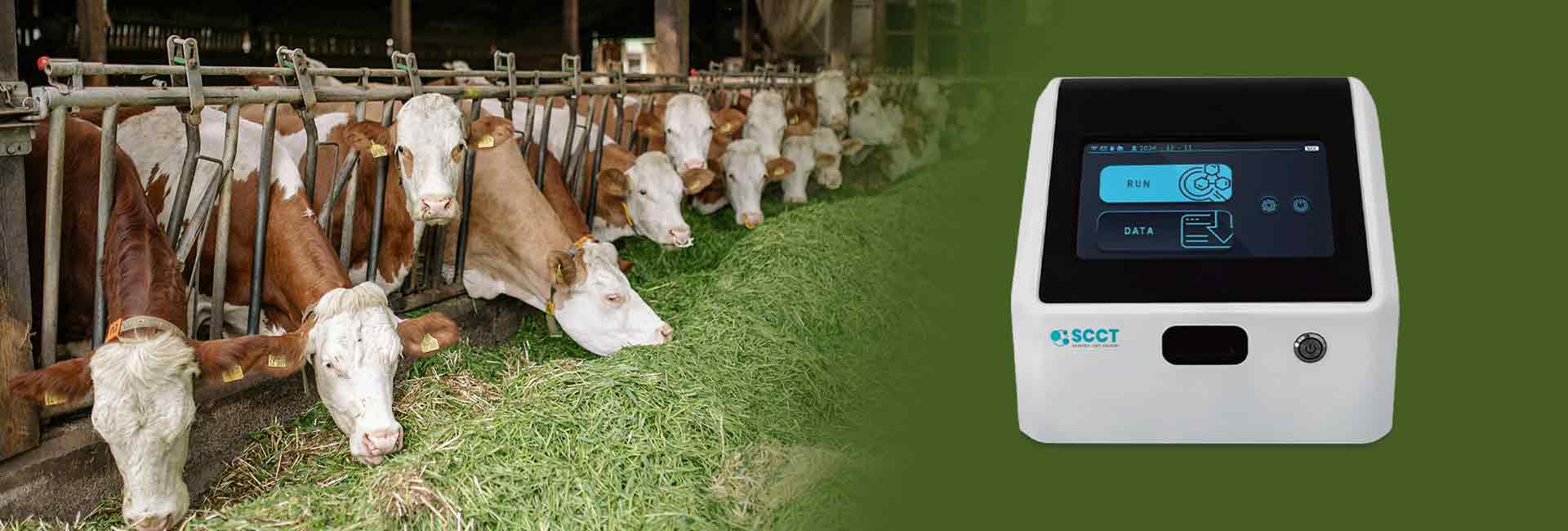


Testing the durability of a somatic cell count tester ensures reliable operation in harsh dairy environments. Farm workers prepare devices, simulate real-world stresses, and monitor performance to safeguard milk quality and animal health. Reliable testers help teams make quick decisions that protect herd productivity.
Tip: Consistent device checks reduce costly downtime and support long-term farm success.
Key Takeaways
- Choose the right somatic cell count tester by comparing accuracy, ease of use, and maintenance needs. Reliable testers help maintain milk quality and herd health.
- Simulate real-world stresses during testing to identify weaknesses in testers. This proactive approach ensures devices can withstand daily farm conditions.
- Conduct durability tests over several weeks with varied stress factors. Frequent testing reveals how devices perform under realistic conditions.
- Establish clear pass/fail criteria based on accuracy and physical condition. Consistent performance indicates a durable device ready for farm use.
- Implement ongoing monitoring and maintenance practices. Regular checks and proper care extend the life of testers and support high milk quality.
Preparing Somatic Cell Count Tester Evaluation
Choosing Tester Models
Selecting the right somatic cell count tester for durability evaluation requires careful consideration. The dairy industry offers several device types, including handheld analyzers, benchtop units, and smartphone-based systems. Each model uses different technology to measure somatic cells in milk. Teams should compare accuracy, ease of use, and maintenance needs.
The following table highlights key metrics for evaluating tester models:
| Metric | Value | Description |
|---|---|---|
| R² (individual SCC vs. infected cows) | 0.89 | Strong correlation between individual SCC and mastitis infection rates |
| R² (BMSCC vs. infected cows) | 0.64 | Weaker correlation, showing limitations for infection detection |
| R² (yield-corrected SCC vs. infected cows) | 0.78 | Moderate correlation, better than BMSCC but less than individual SCC |
Testers with higher correlation values, such as those measuring individual SCC, provide more reliable results for milk quality and herd health monitoring. Teams should also consider battery life, waterproofing, and resistance to physical shocks when choosing devices for testing.
Note: Devices with robust construction and proven accuracy help dairy farms maintain consistent milk quality and reduce mastitis risks.
Dairy Farm Conditions
Dairy farms present unique challenges for electronic devices. High humidity, fluctuating temperatures, and airborne dust can affect tester performance. Workers often handle equipment with wet or gloved hands, increasing the risk of drops or spills. Power supply interruptions may occur in remote areas, so testers must operate reliably under variable conditions.
Testing protocols should reflect these realities. Devices must withstand repeated cleaning, exposure to disinfectants, and movement between barns. Evaluators should document how testers respond to daily use and environmental stressors. By simulating actual farm conditions, teams ensure that selected models deliver accurate results and support cow health.
Designing Durability Test Protocol
Simulating Farm Stresses
Dairy farms expose equipment to many physical and environmental challenges. Teams must simulate these stresses to evaluate the durability of a somatic cell count tester. Physical shocks often occur when workers drop devices or move them between barns. Vibrations from milking machines also affect device performance. Water exposure happens during cleaning or accidental spills. Power fluctuations can disrupt electronic testers, especially in remote dairy locations.
To create realistic testing conditions, teams use several methods. They apply low-frequency oscillations in the range of 15–60 Hz to mimic vibrations during milking. Artificial udder models help simulate natural handling and milk flow. Vibrators attached to teat cups reproduce the mechanical stresses testers face in daily use.
| Method Description | Details |
|---|---|
| Low-frequency oscillations | Applied in the range of 15–60 Hz during milking processes |
| Artificial udder model | Initially empty, then filled with milk to simulate natural conditions |
| Vibrators used | Four vibrators on each teat cup, with one driven in the determined frequency range during measurement |
Teams also expose somatic cell count tester to water sprays and disinfectants. They unplug and replug devices to simulate power interruptions. These steps help ensure that testers can withstand the rigors of dairy farm environments and continue to deliver accurate results for cows and herd health.
Tip: Simulating real-world stresses during testing helps identify weaknesses before devices reach daily farm use.
Test Duration and Frequency
The duration and frequency of durability tests play a critical role in evaluating device reliability. Teams should run tests over several weeks to reflect the long-term use on dairy farms. Daily cycles of vibration, water exposure, and power interruptions provide a realistic assessment. Each test cycle should include all major stress factors.
A typical protocol might include:
- Daily vibration exposure for one hour.
- Water spray and disinfectant application twice per day.
- Power cycling five times per day.
- Physical drop tests once per week.
Teams record device performance after each cycle. They note any failures or changes in accuracy. This approach ensures that the somatic cell count test kit meets the demands of dairy operations and supports mastitis detection.
Note: Frequent and varied testing cycles reveal how devices respond to repeated stress, helping teams select the most robust models.
Pass/Fail Criteria
Clear pass/fail criteria allow teams to judge whether a tester meets durability standards. Devices must maintain accurate readings after each test cycle. They should show no signs of physical damage or malfunction. Teams use statistical benchmarks to assess performance, including mean, standard deviation, and percentile rank.
| Benchmark Type | Description |
|---|---|
| Mean | The average calculated as the sum of all observations divided by the number of observations (N). |
| Standard Deviation (SD) | A measure of the variability of the observations; larger SD indicates greater variation. |
| Percentile Rank | A value such that X% fall short of it and Y% exceed it; e.g., a 75th percentile indicates top 25%. |
| N | The number of observations (herds) included in a specific analysis. |
Devices that fall within acceptable ranges for these benchmarks pass the test. Those with high variability or frequent failures do not meet dairy farm requirements. Teams should document all results and compare them to industry standards. Reliable testers help maintain milk quality and support herd health management.
Alert: Consistent performance across all test cycles signals a durable device ready for dairy farm deployment.
Conducting Tests on Dairy Farms
Step-By-Step Procedures

Teams on dairy farms follow a structured approach when testing the durability of a somatic cell count tester. They begin by preparing the device and the testing environment. Workers clean the tester and check for any visible damage. They record the initial readings to establish a baseline.
The next step involves exposing the somatic cell count tester to typical dairy conditions. Workers move the device between barns and milking stations. They simulate drops from waist height onto rubber mats. They spray the tester with water and disinfectant to mimic cleaning routines. Power cycling occurs several times each day to reflect real-world interruptions.
During each test cycle, workers document the tester’s response. They note any changes in accuracy or physical condition. They repeat these steps daily for several weeks. This process helps teams identify weaknesses and confirm the device’s ability to withstand dairy farm environments.
Tip: Consistent documentation during each test cycle ensures reliable data for later analysis.
A sample daily test checklist may look like this:
| Test Step | Action Taken | Notes |
|---|---|---|
| Device Inspection | Check for cracks, loose parts, or residue | Record findings |
| Baseline Measurement | Take initial SCC reading | Compare to standard |
| Physical Stress | Drop tester from waist height | Note any damage |
| Water/Disinfectant Spray | Apply cleaning agents | Observe performance |
| Power Cycling | Unplug and replug device five times | Check for errors |
| Final Measurement | Take SCC reading after all tests | Compare to baseline |
Monitoring Tester Performance
Teams monitor several performance metrics during durability testing on dairy farms. They focus on the accuracy of somatic cell counts, which plays a key role in early mastitis detection. Regular SCC assessments help improve herd management and support milk quality.
- Somatic cell counts provide early warning for mastitis in cows.
- SCC monitoring helps maintain high milk quality standards.
- Frequent SCC checks contribute to overall dairy herd improvement.
Workers track the tester’s ability to deliver consistent readings after exposure to stress. They compare results before and after each test cycle. They watch for signs of malfunction, such as error messages or inconsistent data. Teams also evaluate how quickly the device recovers from power interruptions.
Alert: Immediate attention to performance drops can prevent health issues in cows and protect dairy profits.
Teams use simple charts to visualize trends in tester accuracy. They share findings with farm managers to guide purchasing decisions. Reliable monitoring ensures that the somatic cell count tester supports herd health and milk quality on dairy farms.
Analyzing Results and Device Reliability
Reliability Assessment
Teams on dairy farms analyze results from durability tests to determine if a somatic cell count tester meets operational standards. They collect data on device performance under various dairy conditions. Workers compare readings before and after exposure to stress factors. Consistent results indicate reliable operation and support high quality milk production.
Statistical methods help teams interpret test outcomes. The Weibull proportional hazards model assesses how somatic cell score affects the longevity of dairy equipment. Linear score transformation allows for easier analysis of test-day somatic cell count data. Culling rate calculation helps teams understand the impact of device accuracy on cows and herd health.
| Statistical Method | Description |
|---|---|
| Weibull proportional hazards model | Assesses impact of somatic cell score on functional longevity in dairy cattle |
| Linear score transformation | Converts test-day somatic cell count to a linear score for analysis |
| Culling rate calculation | Calculates relative culling rate for animals in each SCS class |
Teams also use cumulative logit mixed models to analyze associations between somatic cell score, mastitis detection, and milk quality assessment. Likelihood ratio tests determine the significance of each factor in the model. These approaches help dairy managers select testers that deliver reliable results and support herd health.
Note: Reliable devices improve milk quality and help prevent mastitis in cows.
Common Failure Points
Durability tests often reveal common failure points in dairy environments. Devices may show reduced accuracy after repeated drops or exposure to water. Power interruptions can cause data loss or errors. Workers sometimes find cracks or loose parts after physical stress. These issues affect milk production and overall herd health.
Teams document each failure and compare results across different tester models. They look for patterns in device breakdowns. Frequent failures in specific areas suggest design weaknesses. Dairy managers use this information to choose testers that withstand daily farm use and maintain high quality milk standards.
A checklist for common failure points includes:
- Inconsistent somatic cell count readings after stress
- Physical damage such as cracks or broken seals
- Data errors following power cycling
- Reduced performance after cleaning with disinfectants
Alert: Early identification of failure points helps prevent costly downtime and supports milk quality assessment.
Best Practices for Dairy Tester Care
Ongoing Monitoring
Dairy farms rely on regular monitoring to keep somatic cell count tester working well. Teams check device accuracy every day. They compare readings with known standards to spot problems early. Workers record results in a logbook. This habit helps track changes over time and supports quick action if issues appear.
Farm managers set schedules for device checks. They assign staff to inspect testers before and after each milking session. Teams look for signs of wear, such as cracks or loose parts. They also watch for error messages on the display. Consistent monitoring protects cows from undetected mastitis and keeps milk quality high.
Tip: Early detection of device problems prevents drops in dairy production and reduces costly repairs.
A simple monitoring checklist helps teams stay organized:
- Inspect device for physical damage
- Confirm accuracy with control samples
- Record daily readings in logbook
- Check battery and power supply
- Review error messages
Maintenance Tips
Proper maintenance extends the life of dairy testers and supports steady production. Workers clean devices after each use. They use approved disinfectants to remove milk residue and dirt. Teams avoid harsh chemicals that might damage sensitive parts. Regular cleaning keeps testers accurate and safe for cows.
Staff replace worn-out seals and covers. They check connectors and cables for signs of wear. Teams store testers in dry, cool places to prevent moisture damage. Scheduled calibration ensures reliable readings and supports milk production goals.
A maintenance table provides clear guidance:
| Task | Frequency | Benefit |
|---|---|---|
| Clean after use | Every session | Maintains accuracy |
| Replace seals | Monthly | Prevents leaks |
| Calibrate device | Quarterly | Ensures reliable results |
| Inspect cables | Weekly | Avoids power issues |
| Store properly | Daily | Protects from moisture |
Note: Good maintenance habits help dairy farms avoid downtime and keep production levels high.
Teams who follow these best practices support healthy cows, reduce mastitis risk, and maintain strong dairy production.
Conclusion

Thorough durability testing of somatic cell count tester supports dairy farms in maintaining high milk quality and healthy herds. Teams follow structured protocols, simulate farm stresses, and monitor device performance. Regular monitoring and maintenance improve productivity, as shown in the table below:
| Study Aspect | Description |
|---|---|
| Sample Size | 1302 bulk tank milk samples from 31 farms |
| Monitoring Frequency | 3 times/month for 14 months |
| Analysis Method | Statistical process control (SPC) charts |
| Key Findings | Identified BMSCC variations and out-of-control points, aiding management |
Case studies demonstrate that enhanced tester durability protocols lead to fewer disease cases and better milk quality. The Dairy Dynamic Management system in Rwanda shows that skilled teams can address issues early, ensuring consistent production. Ongoing care and monitoring help farms achieve reliable results and long-term success.
FAQ
What Is the Best Somatic Cell Count Tester for Dairy Farms?
The best somatic cell count tester provides accurate results, withstands farm conditions, and supports on-site testing. Teams in the dairy industry select testers that deliver reliable readings from milk samples and handle frequent use with many samples.
How Should Teams Collect Milk Samples for Testing?
Teams collect milk samples by using clean containers and following strict hygiene practices. Workers gather samples from each cow, label them, and store them properly. They ensure samples remain uncontaminated for accurate somatic cell count results.
How Many Samples Should Be Tested Daily on Dairy Farms?
Farm teams test many samples each day to monitor herd health. A typical schedule includes collecting milk samples from every cow during each milking session. Workers may process dozens of samples per shift to ensure early mastitis detection.
Tip: Frequent testing of milk samples and samples helps identify problems quickly.
What Are Common Issues When Handling Milk Samples and Samples?
Workers sometimes spill milk samples or mislabel samples. Devices may show errors if samples contain debris. Teams avoid these problems by training staff, using clear labels, and keeping samples clean. Proper handling of milk samples and samples improves accuracy.
How Can Teams Organize Milk Samples and Samples for On-Site Testing?
Teams use trays and racks to organize milk samples and samples. Workers sort samples by cow and milking time. They record sample details in logbooks. Organized milk samples and samples help teams complete on-site testing efficiently.
| Organization Method | Benefit |
|---|---|
| Trays | Easy transport of samples |
| Racks | Keeps milk samples upright |
| Logbooks | Tracks samples and results |