



Somatic cell count plays a crucial role in determining both the concentration and yield of fat and protein in milk. Studies show that higher levels can reduce fat by up to 0.29% and protein by 0.12%, impacting milk quality and farm income. Regular use of a somatic cell count tester helps farmers detect changes early. The relationship between somatic cell count and milk remains complex, with both concentration and yield affected in different ways.
Key Takeaways
- Monitor somatic cell count regularly to detect udder health issues early. This helps maintain milk quality and boosts farm profitability.
- Lower somatic cell count can increase milk yield and improve composition. Focus on nutrition and management practices to achieve this.
- Use selective dry cow therapy to target only infected cows. This reduces unnecessary treatments and promotes better udder health.
- Maintain clean milking environments and proper routines to prevent infections. Good hygiene practices are essential for high-quality milk.
- Keep detailed records of somatic cell counts and health events. This helps identify trends and respond quickly to potential problems.
What Is Somatic Cell Count?
Definition and Measurement
Somatic cell count measures the number of milk somatic cells present in a given volume of milk. These cells mainly include white blood cells, which increase when the cow’s udder faces infection or inflammation. Farmers and dairy scientists use somatic cell count as a key indicator of milk quality and udder health. A higher mean SCC often signals an underlying problem, such as mastitis, which can affect both the safety and the composition of milk.
Several methods exist for measuring SCC in milk. Common approaches include:
- The California mastitis test, which uses a chemical reaction to detect milk somatic cells quickly on the farm.
- The Porta SCC milk test, which relies on a dye that reacts with enzymes in milk somatic cells.
- The DeLaval cell counter, a portable device that provides rapid results for SCC.
- Direct microscopic somatic cell count, which serves as a standard for quality control and early mastitis detection.
- Automated counters, which offer speed but may be too complex or costly for everyday farm use.
These methods help farmers monitor SCC and respond to changes in milk quality.
Why Somatic Cell Count Matters?
Somatic cell count plays a vital role in dairy management. High somatic cell count often indicates poor udder health and can lead to lower milk yield. Elevated mean scc also affects milk composition, reducing its value for products like cheese. Monitoring mean scc helps farmers maintain herd health and improve milk quality.
Note: Lowering somatic cell count not only boosts milk production but also reduces treatment costs and increases farm profitability.
Bulk tank somatic cell count serves as a benchmark for overall farm performance. By keeping scc low, dairy producers can ensure safer, higher-quality milk for consumers and better outcomes for their herds.
Somatic Cell Count and Milk Composition
Effects on Fat, Protein and Lactose
Milk composition changes when somatic cell count rises. Researchers have observed a complex correlation between somatic cell count and the concentration of milk components. In many milk samples, higher somatic cell count can increase the concentration of some components, but the total yield and quality often decrease. This phenomenon occurs because inflammation in the mammary gland alters the permeability of tissues, allowing more blood-derived substances to enter milk samples.
Recent analysis of milk samples reveals several important findings. The following table summarizes the correlation between somatic cell count and key milk composition components:
| Finding | Description |
|---|---|
| Milk Loss | Elevated somatic cell score (SCS) combined with lower differential somatic cell count (DSCC) resulted in significant milk loss, estimated at 1.45 kg/day for certain conditions. |
| Lactose Content | Quarters with elevated SCS and lower DSCC had the lowest lactose percentage in milk samples. |
| Protein Content | Protein content tended to be lower in quarters with increased SCS and low DSCC. |
| Fat Content | No notable changes in fat content were observed across different SCS levels in multiparous cows. |
Analysis of milk samples also shows a significant negative correlation between somatic cell count and milk yield, protein yield, and fat percentage. The table below highlights these correlations:
| Correlation | Description |
|---|---|
| Negative Correlation | Significant negative correlations between SCS and milk yield, protein yield, and fat percentage were observed (P < 0.01). |
| Positive Correlation | Significant positive correlations between SCS and fat yield, as well as between milk yield and fat and protein yield were noted (P < 0.01). |
Milk samples from cows with high somatic cell count often show decreased lactose levels. This reduction affects the osmotic pressure and can lead to lower overall milk yield. Protein levels in milk samples may increase in concentration, but the total protein yield drops due to reduced milk volume. Fat concentration in milk samples sometimes decreases, especially when mammary gland function declines. These changes in milk composition can impact the nutritional value and processing characteristics of milk.
Note: The correlation between somatic cell count and milk composition is not always straightforward. Higher somatic cell count may increase the concentration of some components in milk samples, but the total amount produced often falls, affecting farm profitability.
Changes in Total Solids and Casein
Somatic cell count influences not only the basic components of milk composition but also the total solids and casein content. Analysis of milk samples demonstrates that as somatic cell count increases, total solids and casein levels change in ways that can affect dairy processing and product quality.
The following table presents the impact of somatic cell count on total solids and casein in milk samples:
| SCC Level (ml) | Fat Reduction (%) | Protein Reduction (%) | Total Solids Reduction (%) | Moisture Increase in Nonfat Substances (%) | Protein in DM Increase (%) |
|---|---|---|---|---|---|
| 100,000 to 1,000,000 | 6.8 | 3.6 | 4.9 | 4.4 | 2.0 |
Milk samples with higher somatic cell count show a reduction in fat, protein, and total solids. The moisture content in nonfat substances rises, which can dilute the concentration of valuable milk components. Protein in dry matter increases slightly, but this does not compensate for the overall loss in yield.
Casein, a key protein in milk composition, also changes with somatic cell count. Infected cows produce milk samples with increased whey proteins and decreased α- and β-caseins. This shift in protein profile affects cheese yield and quality. Dairy processors rely on casein for curd formation, so changes in casein levels can reduce cheese output and alter texture.

- Higher somatic cell count can lead to reduced cheese yield and affect the quality of the final product due to enzymatic activity associated with somatic cells.
- Techniques like centrifugation and microfiltration can reduce somatic cell count in milk samples, but these methods may also alter the physicochemical properties of milk composition, impacting cheese production.
- Low somatic cell count, better hygiene, and proper cooling of milk samples after milking are essential for maintaining milk composition quality for cheese production, which can reduce processing costs.
Analysis of milk samples provides valuable insight into the correlation between somatic cell count and milk composition. Dairy producers must monitor somatic cell count closely to ensure optimal milk composition and maintain high-quality products.
Impact on Milk Quality and Yield
Quality Changes with High SCC
A high somatic cell count directly affects milk quality by changing its composition and sensory properties. When somatic cell count rises, milk composition shifts. Fat, lactose, and casein levels decrease, while whey protein and sodium increase. These changes can cause defects in finished dairy product quality, such as poor texture and reduced shelf life. Sensory attributes also suffer. Milk may develop off-flavors like rancidity and bitterness, which can lower consumer acceptance. Research shows that processed milk with high somatic cell count spoils faster. UHT milk, for example, develops off-flavors and rancidity more quickly because enzymes break down fats and proteins. Maintaining low somatic cell count helps preserve milk quality and extends shelf life.
Industry standards set strict limits for somatic cell count to protect milk quality. The FDA allows up to 750,000 cells per milliliter, while the EU sets a lower limit of 400,000. Milk that exceeds these limits may be rejected, which affects market access and financial outcomes. Producers must monitor somatic cell count to meet these standards and avoid penalties.
Economic and Production Losses
High somatic cell count leads to significant economic losses for dairy producers. Several factors contribute to these losses:
- Farms with elevated somatic cell count reported average losses of $533, with total losses reaching $110,962 across cooperatives in one quarter.
- Reduced raw milk prices accounted for 10.4% of the loss, while 89.6% resulted from milk discharge due to positive mastitis tests.
- U.S. dairy farms experienced daily losses of $1.20 per cow in the first month, rising to $2.06 per cow by the tenth month.
- Persistent high somatic cell count signals chronic mastitis, which reduces overall milk production.
The following table highlights the impact of somatic cell count on milk production and market access:
| Evidence | Description |
|---|---|
| Impact of SCC on Milk Production | High somatic cell counts increase mastitis, reducing milk production. |
| Genetic Selection | Selecting for lower SCC improves milk yield and quality. |
| Regulatory Body | Maximum SCC (cells/ml) |
| FDA | 750,000 |
| EU | 400,000 |
| Brazil | 1,000,000 |
For every 100,000 cells/ml increase in herd bulk somatic cell count, the proportion of infected cows rises by 8–10%. Non-compliance with regulatory standards can result in milk rejection and export restrictions. Producers must control somatic cell count to protect milk quality, maintain milk composition, and avoid financial losses.
Factors Influencing SCC and Milk
Nutrition and Management
Nutrition plays a key role in controlling somatic cell count and maintaining milk quality. Dairy cows need balanced diets to support udder health and reduce inflammation. Farmers often use dietary supplements to improve immune function and lower the risk of mastitis. Regular feeding of minerals and vitamins helps keep somatic cell count low. Zinc, selenium, copper, and antioxidative agents such as vitamins A and E are important for recovery from mastitis and for supporting mammary gland health. Nutritional errors, including energy deficiencies and unbalanced diets, can increase somatic cell count and reduce milk yield.
- Minerals and vitamins support udder health and reduce somatic cell count.
- Dietary supplements like zinc and selenium improve immune function.
- Energy deficiencies and poor diets raise somatic cell count and lower milk quality.
- Sheep and goat nutrition also benefits from balanced minerals and vitamins.
Management practices influence both somatic cell count and milk composition. Clean cow shelters and regular cleaning of milking lines help prevent infections. Early detection of mastitis through strip cup tests and California mastitis tests improves milk quality. Washing teats before milking reduces infection risk. The table below shows how management factors affect milk yield and quality:
| Management Practice | Effect on SCC and Milk Quality |
|---|---|
| Regular cleaning of milking lines | Reduces SCC, improves milk quality |
| Strip cup test | Early mastitis detection, better milk quality |
| California mastitis test | Identifies infections, improves management |
| Washing teats before milking | Lowers infection risk, improves milk quality |
Cow Health and Monitoring Tools
Cow health directly affects somatic cell count and milk production. High somatic cell count often signals mastitis or other infections. Farmers monitor somatic cell count to assess udder health and improve dairy production. Regular monitoring with a somatic cell count tester helps detect problems early and supports herd management. Separating infected cows and using dry cow therapy can control contagious infections. Clean bedding and good milking routines prevent environmental infections.
- Somatic cell count is a key indicator of udder health and milk quality.
- High somatic cell count links to mastitis and reduced milk yield.
- Regular monitoring with a somatic cell count tester improves milk production and profitability.
- Every 100,000 cells/mL increase in bulk tank scc can reduce milk yield by 1-2%.
- Seasonal changes, such as high temperatures and humidity, can raise somatic cell count and affect milk composition.
Farmers who use monitoring tools and maintain good cow health practices produce higher quality milk and reduce economic losses. Dietary supplements and proper management help keep somatic cell count low and support herd health.
Practical Steps for Dairy Producers
Reducing Somatic Cell Count
Dairy producers can take several practical steps to lower somatic cell count in their herds. Selective dry cow therapy (SDCT) stands out as an effective intervention. This approach targets only cows or quarters with elevated cell counts or signs of infection, rather than treating all cows at dry-off. By using SDCT, farmers can reduce unnecessary antimicrobial use and improve udder health. Recent research shows that combining somatic cell count with differential somatic cell count (DSCC) improves the detection of subclinical infections. When producers use both measurements, they can identify cows at risk more accurately and apply treatments where needed. This strategy leads to healthier cows and better milk quality.
Routine monitoring remains essential. Farmers should use reliable testing tools to track changes in cell counts over time. Clean housing, proper milking routines, and regular equipment maintenance also help prevent infections. Early detection and prompt treatment of mastitis reduce the spread of pathogens within the herd.
Tip: Keeping detailed records of cell counts and health events helps producers spot trends and respond quickly to problems.
Ensuring High-Quality Milk
Maintaining high-quality milk requires a combination of herd management and smart decision-making. High cell counts shorten the shelf life of fluid milk and lower yields in processed products. Some farmers choose to cull cows with persistently high cell counts. However, using a mathematical programming model can help optimize culling decisions. This model considers both herd value and regulatory limits, allowing producers to maximize profits while staying within quality standards.
Regular testing, good nutrition, and prompt removal of infected cows all contribute to better milk. Producers who focus on prevention and targeted interventions see improvements in both yield and product quality. Clean facilities and careful milking routines further support these efforts.
Conclusion
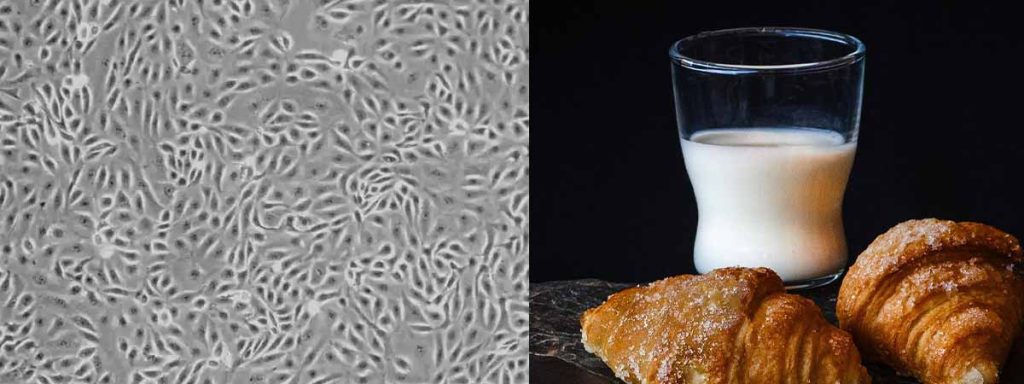
Somatic cell count affects milk composition, yield, and milk quality. The table below shows how changes in cell count influence milk traits:
| Effect | Observation |
|---|---|
| Milk yield | Rises with higher differential cell count |
| Milk fat | Drops with higher differential cell count |
| Casein and lactose | Increase with higher differential cell count |
Farmers maintain low somatic cell count by using effective teat dips, customizing formulations, and adjusting techniques. Regular use of a somatic cell count tester supports early detection, improves milk quality, and increases profitability. Both producers and consumers benefit from safer milk and better economic returns.
FAQ
What Is a Normal Somatic Cell Count in Dairy Cows?
A normal somatic cell count in dairy cows usually falls below 200,000 cells per milliliter. Counts above this level often indicate udder health problems or mastitis.
How Does High Somatic Cell Count Affect Milk Processing?
High somatic cell count can lower cheese yield and change texture. Enzymes from somatic cells may break down proteins, making processing more difficult for dairy producers.
Can Nutrition Influence Somatic Cell Count?
Proper nutrition supports udder health and helps keep somatic cell count low. Minerals like zinc and selenium, along with vitamins, play a key role in supporting the immune system.
Why Should Farmers Use a Somatic Cell Count Tester?
A somatic cell count tester gives quick results. Farmers can identify issues early, treat cows promptly, and maintain high-quality milk for consumers.
What Are the Main Causes of Increased Somatic Cell Count?
Infections such as mastitis, poor hygiene, and stress can raise somatic cell count. Regular monitoring and good management help prevent these problems.