



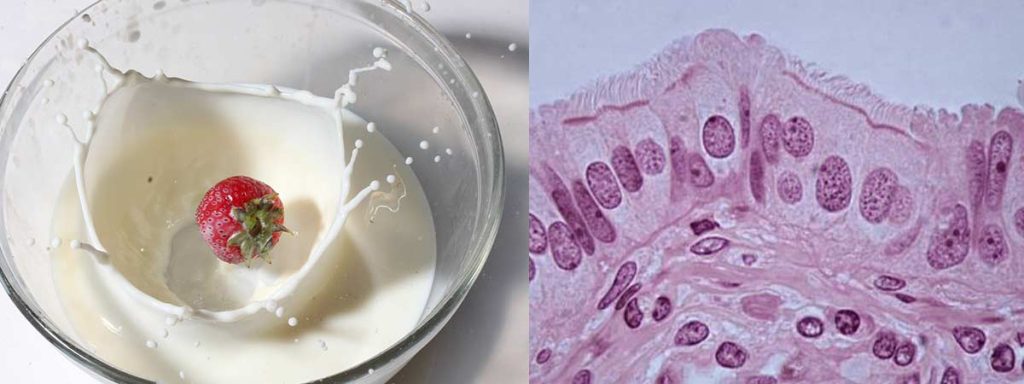
High somatic cell count often appears in heifers during early lactation and can negatively impact both milk yield and udder health. Biological changes, increased environmental exposure, and management practices all play a role. Early detection with a somatic cell count tester helps protect cows from further complications. Studies show that 13.3% of heifers experience high somatic cell count (>200,000 cells/ml) during early lactation.
| SCC Level (cells/mL) | Milk Production Difference (pounds/cow/day) | Net Income Impact ($/cow) |
|---|---|---|
| 134,000 | 11 | 159 |
| 200,000 | 5.5 (per 100,000 increase) | Significant long-term impact |
Key Takeaways
- High somatic cell count in heifers can lead to lower milk production and increased risk of udder infections. Early detection is crucial for maintaining udder health.
- Heifers experience immune system changes at calving that increase their vulnerability to infections. Monitoring these changes helps prevent high somatic cell count.
- Environmental factors, such as poor hygiene and bedding conditions, significantly impact somatic cell counts. Clean, dry environments support better udder health.
- Implementing good management practices, like regular milking routines and hygiene protocols, can lower somatic cell counts and improve milk quality.
- Using somatic cell count tester allows for quick detection of issues, helping farmers take action before milk yield is affected.
Biological Causes of High Somatic Cell Count
Immune System Shifts at Calving
Heifers experience dramatic changes in their immune system at calving. These changes can make them more vulnerable to infections and increase somatic cell counts. The transition from pregnancy to lactation places stress on the immune system. Researchers have identified several key shifts in immune function during this period:
| Biological Change | Description |
|---|---|
| Shift in immune cell populations | Changes in the ratio of Th1/Th2 cells, indicating a transition in immune response. |
| Decreased phagocytosis | Reduced ability of immune cells to engulf pathogens, increasing infection risk. |
| Altered cytokine levels | Changes in signaling molecules that can affect immune response and inflammation. |
| Neutrophilia, eosinopenia, lymphocytopenia | Changes in white blood cell counts that indicate immune system stress. |
| Decreased B cell activity | Reduced clonal expansion and antibody production around parturition. |
| Systemic inflammatory response | Hypothesized response to external insults that may impair cellular immunity. |
Ferdowsi Nia et al. reported that feeding neonates with high SCC colostrum decreased serum IgG levels and also increased the incidence of diarrhea in calves. The study showed that IG class had a statistically significant (p ≤ 0.01) effect on the formation of the level of colostrum’s functional parameters in the first milking after calving. Additionally, lactoferrin and casein inhibit lipid peroxidation as well as the formation of peroxide radicals and iron oxide. The quality and quantity of cows’ mammary gland secretions are closely related to udder health. Puppel et al. reported that in colostrum from the first milking, the IgG concentration was two-fold greater and the C18:2 cis9trans11 three-fold greater in colostrum with somatic cell count ≤400,000 cells/ml, than in colostrum with ≥400,000 cells/ml.
These findings highlight the importance of immune system health in heifers. When immune defenses weaken, the risk of infection rises, and somatic cell counts can spike.
Udder Development and Infection Risk
Udder development before and after calving plays a major role in the susceptibility of heifers to intramammary infections. Research indicates that prolonged udder edema significantly heightens the risk of intramammary infections shortly after calving, particularly with certain pathogens. Higher milk yields, while generally beneficial, can contribute to increased udder edema, further elevating the risk of infections. The timing of these infections is crucial, as they often occur in the early postpartum period, underscoring the importance of effective management strategies to reduce these risks.
Heifers face unique challenges during early lactation. Their udders are still maturing, and the tissue remains sensitive. Swelling and fluid buildup can create an environment where bacteria thrive. If infections occur, somatic cell counts increase as the immune system responds. Farmers must monitor udder health closely and address any signs of edema or infection quickly.
Environmental and Management Factors for Heifers
Pathogen Exposure After Calving
Heifers face new environmental challenges after calving. The barn environment, feed quality, and housing conditions all influence udder health. Pathogens thrive in certain conditions, especially when hygiene is poor or bedding is damp. The most common pathogens identified in heifers with high somatic cell counts after calving include:
- Staphylococcus aureus: This bacterium often causes chronic infections, which can lower both milk quality and quantity.
- Coagulase Negative Staphylococci (CNS): These bacteria frequently appear in heifers at freshening. Many cases resolve on their own, but they still contribute to elevated somatic cell counts.
Environmental factors play a significant role in the risk of infection. The table below summarizes how different conditions impact somatic cell counts:
| Environmental Factor | Impact on SCC |
|---|---|
| Extreme Temperatures | Causes stress and influences feed intake |
| High Humidity | Increases risk of infectious bacteria growth |
| Poor Quality of Fodder | Leads to micronutrient deficiencies and low immunity |
| Timing of Feed Concentrates | Associated with elevated SCC |
| Housing Conditions at Calving | Influences SCC levels during and after calving |
Management practices also matter. Bedding type and barn hygiene can significantly affect somatic cell counts in early lactation. Clean, dry bedding and regular cleaning routines help reduce the risk of infection. Research shows that poor precalving management, especially related to bedding, can lead to higher somatic cell counts and increase the risk of culling later.
Stress and Milking Routine Adaptation
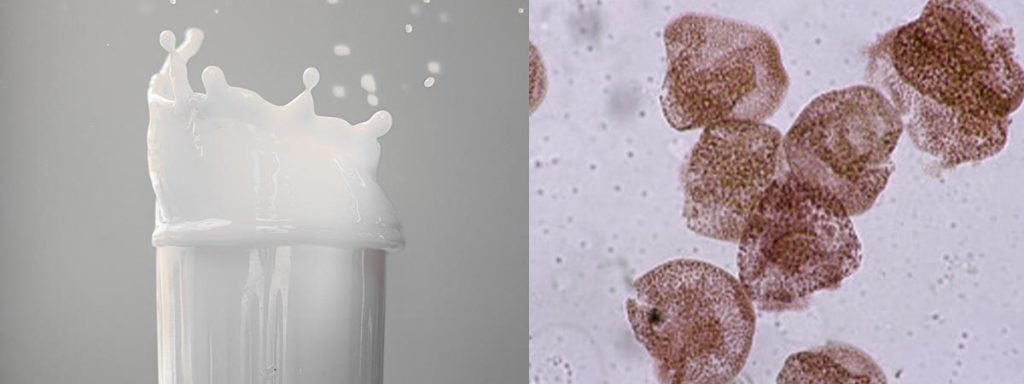
Adapting to the milking routine presents another challenge for heifers. The transition to regular milking can cause stress, which may raise somatic cell counts. Studies have found that prepartum milking helps lower somatic cell counts during the first month after calving, even if mastitis rates are higher at calving. This suggests that early exposure to the milking process can help heifers adjust and maintain better udder health.
Handling practices also influence somatic cell count trends. One study found that higher somatic cell counts at 14 days in milk predicted higher counts throughout the first lactation. Proper handling and gentle routines support udder health and help keep somatic cell counts low.
Impact of High Somatic Cell Count on Milk Yield
Production Losses in Heifers
Elevated somatic cell counts at the start of lactation can lead to significant reductions in milk yield for heifers. When cows begin their first lactation with high cell counts, they often produce less milk throughout the entire period. Researchers have found that for each unit increase in the logarithm of the somatic cell count, first-lactation heifers lose about 1.29 kilograms of milk per day. The average daily milk yield for these animals stands at 19.7 kilograms, but this number drops quickly when cell counts rise.
Heifers with higher somatic cell counts early in lactation tend to keep these levels in future lactations. This pattern means that early problems can affect long-term performance. For every two-fold increase above 50,000 cells per milliliter, heifers lose about 0.4 kilograms of milk per day. Over the course of a lactation, these losses add up and can impact the profitability of the herd.
The following table shows how bulk tank somatic cell count (BTSCC) levels relate to estimated milk loss in lactating dairy cows:
| BTSCC Level (cells/ml) | Estimated Milk Loss (%) |
|---|---|
| 200,000 | 6% |
| >500,000 | Significant losses |
Heifers that calve with subclinical or clinical mastitis face a higher risk of being culled during their first lactation. Early detection and management of high somatic cell counts can help protect future milk yield and reduce the risk of early removal from the herd.
Mastitis Costs and Udder Health
Mastitis remains a major economic challenge for dairy cows. Over 80% of financial losses from mastitis come from subclinical cases, which often go unnoticed but still reduce milk yield and quality. High somatic cell count signal the presence of subclinical mastitis, which can silently damage udder health and lower production.
The costs of managing mastitis in heifers with high somatic cell count break down as follows:
- Milk production loss: 31%
- Veterinary fees and drug costs: 24%
- Loss from discarded milk: 18%
- Excess labor demand: 4%
- Premature culling: 23%
For every increase of 100,000 cells above a baseline of 200,000, milk yield drops by about 2.5%. This decline can persist even after the infection clears, affecting both yield and milk quality. Heifers with high somatic cell counts in early lactation often face ongoing udder health issues, which can lead to chronic problems and higher culling rates.
Proactive udder health management is crucial. By focusing on early detection and prevention, dairy farmers can reduce the financial and health impacts of mastitis and protect the long-term productivity of their cows.
Managing Somatic Cell Counts in Heifers
Early Detection with Somatic Cell Count Tester
Early detection plays a vital role in controlling somatic cell counts in heifers. A somatic cell count tester provides fast and reliable results, allowing farmers to identify issues before they affect milk yield or milk quality. These devices show a strong correlation with laboratory methods, with a correlation coefficient of 0.917 and an agreement rate of 80.3%. Sensitivity reaches 75.8%, and specificity stands at 97.5%. Most testers deliver results in just one minute, making them practical for daily use on the farm. Regular monitoring helps dairy cows maintain healthy udders and supports higher milk yield throughout early lactation. Frequent use of the California Mastitis Test also contributes to lower somatic cell counts and better milk quality.
Hygiene and Best Practices
Hygiene and management practices directly influence somatic cell counts and milk yield in lactating dairy cows. Clean, dry bedding prevents bacterial growth and supports udder health. Farmers should use clean towels for each cow and pre-dip teats for at least 30 seconds before milking. Forestripping each quarter removes milk with high somatic cell count, while proper milker attachment and immediate post-dipping protect the teats. The following table highlights effective management strategies and their association with lower somatic cell counts:
| Management Practice | Association with SCC |
|---|---|
| Wearing gloves during milking | Lower SCC |
| Using automatic take-offs | Lower SCC |
| Postmilking teat dipping | Lower SCC |
| Milking problem cows last | Lower SCC |
| Yearly inspection of the milking system | Lower SCC |
| Sand bedding | Lower SCC |
| Cleaning calving pen after each calving | Lower SCC |
| Blanket dry-cow therapy | Lower SCC |
| Udder hair management | Lower SCC |
Farms that follow standard operating procedures and maintain strict hygiene protocols see improved milk quality and reduced risk of new infections. Better bedding management and regular cleaning lower bacteria counts in bulk tank milk, which supports higher milk yield and better milk quality. These steps help control mastitis in dairy cows and protect the long-term yield of the herd.
Tip: Consistent monitoring and good hygiene practices not only improve milk yield but also ensure the best milk quality for consumers.
Conclusion
Heifers often experience increased somatic cell counts during early lactation due to immune changes, environmental exposure, and management factors. Early detection and effective management protect milk yield and udder health. Farms that monitor somatic cell counts and follow best practices see healthier cows and higher productivity.
| Impact of Elevated BTSCC | Result |
|---|---|
| Lower milk production | Yes |
| Reduced pregnancy rates | Yes |
| Greater death losses | Yes |
Ongoing monitoring and regular staff training help maintain long-term herd success.
FAQ
Why Do Somatic Cell Counts Rise in Heifers After Calving?
Heifers experience immune system changes and increased exposure to bacteria after calving. These factors cause somatic cell counts to rise. Early lactation stresses the udder and increases infection risk.
How Can Farmers Detect High Somatic Cell Counts Early?
Farmers use somatic cell count tester for quick results. These devices help identify problems before milk yield drops. Regular testing supports udder health and improves milk quality.
What Are the Main Risks of High Somatic Cell Counts?
High somatic cell counts signal infection or inflammation. Heifers may lose milk production and face higher mastitis risk. Chronic issues can lead to early culling.
Which Management Practices Lower Somatic Cell Counts?
Clean bedding, proper milking routines, and regular equipment checks help lower somatic cell counts. Farmers who follow strict hygiene protocols see healthier cows and better milk yield.
Does High Somatic Cell Count Affect Calf Health?
Yes. Colostrum from heifers with high somatic cell counts may contain fewer antibodies. Calves fed this colostrum have weaker immunity and higher disease risk.