



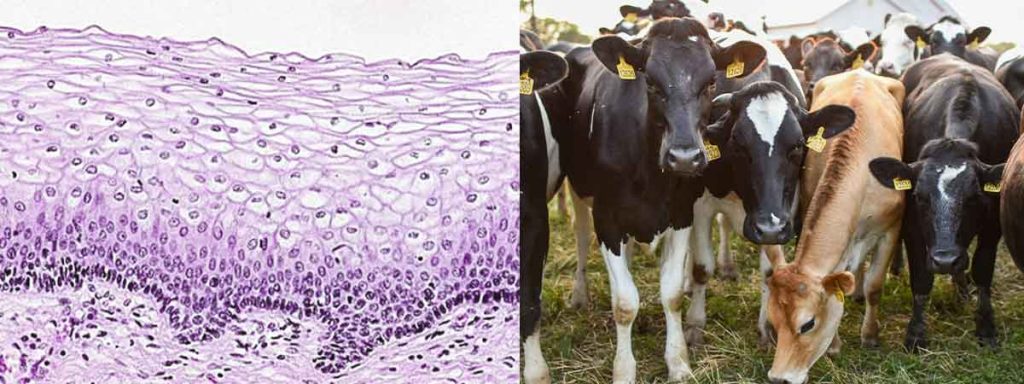
Streptococcus agalactiae often causes elevated somatic cell count in cow milk without obvious symptoms. The prevalence of this pathogen in dairy cows ranges from 2% to 25% annually, with some regions reporting up to 24%. High somatic cell counts reduce milk quality and farm profits.
| SCC Range (SC/mL) | Milk Production Loss (%) | Loss in kg | Monetary Loss (USD) |
|---|---|---|---|
| 200,000 – 400,000 | 4.6% | 372 kg | 107 |
| > 400,000 | 11.9% | 959 kg | 275 |
Early detection with a somatic cell count tester helps identify subclinical mastitis and prevent milk yield loss.
Key Takeaways
- Regularly monitor somatic cell count to detect infections early. This helps maintain milk quality and farm profitability.
- Implement strict hygiene practices during milking to prevent the spread of Streptococcus agalactiae. Clean equipment and proper procedures are essential.
- Use a somatic cell count tester for quick results. This tool helps identify infected cows and track herd health effectively.
- Treat infected cows promptly and follow up with testing. Early intervention reduces treatment costs and improves milk yield.
- Educate yourself and collaborate with veterinarians. Knowledge of infection trends and management strategies enhances herd health.
Streptococcus agalactiae Overview
Mastitis Pathogen Role
- Streptococcus agalactiae acts as an obligate parasite of the udder in dairy cows.
- The pathogen adapts specifically to the udder environment.
- It spreads during milking, especially through infected udders that serve as reservoirs.
- Contaminated washcloths and teat cup liners can transfer bacteria between cows.
- Irregular vacuum fluctuations during milking force bacteria into the teat canal, increasing infection risk.
- Mastitis caused by Streptococcus agalactiae presents a major challenge in dairy farming, second only to Staphylococcus aureus.
- The prevalence of this pathogen continues to rise in developed and agriculturally intensive regions.
- Undiagnosed or inadequately treated cows act as reservoirs, spreading infection within the herd during milking.
Dairy farmers face persistent challenges from Streptococcus agalactiae due to its efficient transmission and adaptation to the udder.
Subclinical Infection and Symptoms
- Chronic and subclinical intramammary infections often occur.
- High somatic cell count (SCC) signals infection.
- Milk production drops, affecting farm profitability.
- Cheese and other milk products lose quality.
- Milk composition and technological traits suffer.
- Bulk-tank-milk (BTM) shows high SCC and total bacteria counts.
- Subclinical infection represents the most prevalent type of intramammary infection.
- Visual inspection of the mammary gland or milk cannot detect these cases.
- For every clinical case, 15 to 40 subclinical cases exist.
Subclinical infections remain hidden, yet they significantly impact herd health and milk quality.
Herd Prevalence and Bulk Tank Correlation
The prevalence of Streptococcus agalactiae varies globally. In the Emilia-Romagna region of Italy, rates decreased from 8.9% in 2019 to 5.2% in 2021. Herds infected with Streptococcus agalactiae show higher bulk tank somatic cell counts, averaging an increase of 77,000 cells/ml compared to non-infected herds. This correlation indicates that infected herds often produce milk exceeding legal SCC limits.
- Mastitis control programs in developed countries historically reduced Streptococcus agalactiae incidence.
- Recent trends show an increase in some areas, including Denmark and Finland.
- China reports a pooled prevalence of 24%, higher than Australia (16.9%), Brazil (5.9%), Ukraine (11%), Northern Lebanon (15.1%), Northeastern Poland (15.6%), and Portugal (13.5%).
Monitoring herd prevalence and bulk tank SCC helps farmers identify infection trends and maintain milk quality.
Somatic Cell Count in Cow Milk
What Is Somatic Cell Count?
Somatic cell count in cow milk serves as a key indicator of udder health and milk quality. Farmers and veterinarians use this measurement to assess the presence of mastitis and other infections. High somatic cell counts often signal that cows face health challenges, such as intramammary infections.
- SCC acts as a qualitative parameter for milk quality.
- It helps diagnose mastitis and monitor cow susceptibility to infection.
- High SCC reduces the quality of raw milk and can lead to foregone profits.
Regular monitoring of somatic cell count in cow milk supports early detection of health issues and helps maintain high standards in dairy production.
Measurement Methods and Somatic Cell Count Tester
Several methods exist for measuring somatic cell count in cow milk. Each method offers different levels of sensitivity and accuracy. The table below compares common techniques:
| Method | Sensitivity (%) | Specificity (%) | Correlation Coefficient (r) |
|---|---|---|---|
| California Mastitis Test | >80 | >90 | N/A |
| DeLaval Cell Counter | 75.8 | 97.5 | 0.917 |
| Fossomatic FC | N/A | N/A | 0.963 |
| Mastest | 95.5 to 100 | N/A | N/A |
A somatic cell count tester provides rapid results within 15 minutes and detects a wide range of cell counts. These devices help farmers distinguish between healthy cows and those with subclinical or clinical mastitis. The CMT and DCC also show high agreement with laboratory results, making them reliable tools for on-farm monitoring.
Different countries set legal thresholds for somatic cell count in cow milk. The chart below compares these standards:
Tip: Using a somatic cell count test kit regularly can help farmers meet national and international milk quality standards.
Infection Link and Neutrophil Response
When cows become infected with pathogens like Streptococcus agalactiae, their immune systems respond by sending neutrophils to the udder. This immune reaction increases the somatic cell count in cow milk. Studies show that 57.6% of cows with Streptococcus agalactiae infections reach SCC levels above 10 million cells per milliliter.
A Norwegian study found a strong correlation between Streptococcus agalactiae infection and elevated somatic cell count in cow milk. This rise in SCC reflects the body’s effort to fight infection, but it also signals a drop in milk quality and production.

Note: High somatic cell counts often indicate underlying infections, even when cows show no visible symptoms.
Streptococcus agalactiae Effects
Mechanism of Cell Count Increase
Streptococcus agalactiae triggers a strong immune response in dairy cows. The infection causes the body to send large numbers of neutrophils to the udder. These immune cells help fight the bacteria but also raise the somatic cell count in cow milk. Researchers studied over 15,000 cows across 150 herds and found a clear link between infection and higher cell counts. The study used advanced statistical models to confirm that infected cows consistently showed elevated levels compared to healthy cows.
- Infected cows display a direct increase in somatic cell count in cow milk.
- The immune system responds by sending more white blood cells, especially neutrophils, to the site of infection.
- This process helps control the bacteria but leads to a measurable rise in cell counts.
High somatic cell counts often signal an ongoing battle between the cow’s immune system and Streptococcus agalactiae.
Gene Association with Subclinical Mastitis
Scientists have identified specific genes in Streptococcus agalactiae that allow it to persist in the udder and cause subclinical mastitis. These genes help the bacteria evade the cow’s immune defenses and establish long-term infections. Subclinical mastitis often goes unnoticed because cows do not show visible symptoms. However, the infection still causes a steady increase in somatic cell count in cow milk. The genetic makeup of the bacteria plays a key role in its ability to survive and spread within the herd.
- Certain genes enable the bacteria to avoid detection by the immune system.
- These genes contribute to the chronic nature of subclinical mastitis.
- Cows with subclinical infections may appear healthy but produce milk with high cell counts.
Subclinical mastitis remains a hidden threat, driven by the genetic adaptability of Streptococcus agalactiae.
Impact on Milk Yield and Quality
Streptococcus agalactiae infection affects both the quantity and quality of milk. Studies show that cows with this infection produce less milk and have lower levels of important milk components. The timeline of milk yield reduction reveals that losses begin before diagnosis and continue for months.
- Infected cows show lower lactose yield and a tendency for reduced lactose and fat percentages.
- Somatic cell count in cow milk rises sharply, often before visible signs of illness.
- At diagnosis, milk yield drops by about 0.13 kg per day compared to healthy cows.
- Two to three months after diagnosis, the reduction increases to 1.24 kg per day.
- The decrease in milk yield persists for the rest of the study period.
| Time Period | Milk Yield (kg/day) | Somatic Cell Count (SCC) |
|---|---|---|
| 3 to 2 months before diagnosis | +1.3 (positive cows) | N/A |
| At diagnosis | -0.13 (positive cows) | N/A |
| 2 to 3 months after diagnosis | -1.24 (positive cows) | Peak SCC reached before diagnosis |
Milk from infected cows often contains less lactose and fat, which reduces its value for processing and consumption.
Streptococcus agalactiae silently damages herd productivity. The lack of visible symptoms in many cases makes regular monitoring of somatic cell count in cow milk essential for early detection and control.
Detection and Management
Identifying Infection in Herds
Dairy farms can reduce the spread of Streptococcus agalactiae by following best practices for identifying infection. Farmers should:
- Test new herd members to find possible reservoirs of infection.
- Use proper milking procedures, including pre- and post-milking teat disinfectants.
- Wear gloves and use single-use towels during milking to prevent cross-contamination.
- Milk infected cows last to lower the risk of spreading bacteria.
- Consider a backflush system to clean milking equipment after each cow.
- Administer dry cow therapy to all quarters at the end of lactation.
- Use a strip cup to check for abnormal milk and monitor somatic cell counts to track treatment success.
These steps help farmers detect infection early and protect herd health.
Monitoring Somatic Cell Count in Cow Milk
Somatic cell count in cow milk serves as a key indicator of udder health. Healthy cows usually have a count between 10,000 and 100,000 cells per milliliter. When the count rises, it often signals an intramammary infection such as Streptococcus agalactiae. Regular monitoring with a somatic cell count tester allows farmers to identify cows with elevated counts quickly. These devices provide fast results and help track changes over time. Bulk tank monitoring also plays a vital role. Studies show that herds with Streptococcus agalactiae have higher bulk tank counts, sometimes by as much as 77,000 cells per milliliter. By testing both individual cows and the bulk tank, farmers can spot infection trends and respond before problems grow.
Tip: Consistent use of a somatic cell count tester helps maintain milk quality and supports early intervention.
Prevention and Control Strategies
Effective prevention and control require strong hygiene and herd management. Farmers should:
- Install automatic disinfection sprays on milking equipment and change brushes daily.
- Treat new clinical infections right away and treat all culture-positive cows during outbreaks.
- Confirm treatment success with bacteriologic testing and monitor culture-negative cows.
- Use broad-spectrum intramammary antibiotics, which have a high cure rate of 90-95%.
- Ensure proper functioning of milking machines to reduce infection risk.
- Avoid using common cloths or sponges for udder preparation.
- Choose housing and udder preparation methods that lower infection risk.
| Treatment Option | Effectiveness |
|---|---|
| Broad-spectrum intramammary antibiotics | High (90-95% cure rate) |
| Whole-herd treatment | Effective |
These strategies help limit the spread of Streptococcus agalactiae and protect both milk yield and quality.
Conclusion

Scientific studies confirm a direct link between Streptococcus agalactiae infection and somatic cell count in cow milk. The table below highlights findings from a large cohort study:
| Objective | Description |
|---|---|
| Primary | Estimate the effect of Streptococcus agalactiae intramammary infection on milk production and somatic cell count in cow milk. |
| Findings | Higher SCCs were associated with Streptococcus agalactiae infections, indicating a direct connection. |
Regular monitoring and early detection improve farm profitability. Farmers benefit from higher milk prices, reduced treatment costs, and increased productivity:
| Benefit | Description |
|---|---|
| Higher Milk Purchase Price | Low SCC earns premium prices. |
| Reducing Animal Treatment Costs | Early detection lowers expenses. |
Ongoing education and collaboration with veterinarians help farmers control mastitis and improve herd health:
- Accurate knowledge of prevalence and resistance patterns enhances treatment.
- Tailored management strategies lead to effective control.
Dairy farmers who monitor somatic cell count in cow milk and work with veterinarians protect milk quality and profitability.
FAQ
What Is Streptococcus Agalactiae?
Streptococcus agalactiae is a bacterium that causes mastitis in dairy cows. It often leads to high somatic cell counts in milk. Farmers may not see visible symptoms in infected cows.
How Does Somatic Cell Count Affect Milk Quality?
A high somatic cell count lowers milk quality. It can reduce cheese yield and shelf life. Milk processors may pay less for milk with high cell counts.
Why Should Farmers Monitor Somatic Cell Count Regularly?
Regular monitoring helps farmers detect infections early. Early action prevents milk loss and keeps herds healthy. Somatic cell count tester provides quick and reliable results.
Can Streptococcus Agalactiae Spread Easily in Herds?
Yes. The bacterium spreads during milking, especially through contaminated equipment or hands. Good hygiene and proper milking routines reduce the risk.
What Are the Best Ways to Control Streptococcus Agalactiae?
Farmers should use clean milking equipment, treat infected cows, and monitor somatic cell counts. Working with veterinarians helps create effective control plans.