



Dairy farmers can spot chronically high SCC cows by closely monitoring somatic cell count and observing change in udder health. Early identification proves vital, as research shows that prompt action against high SCC levels can reduce chronic infections and improve herd health. High somatic cell count often signals subclinical mastitis, which may result in milk production losses and increased disease spread. By acting quickly, farmers help maintain milk quality and protect the productive lifespan of their cows.
Key Takeaways
- Regularly monitor somatic cell count (SCC) to identify high SCC cows early. Early detection helps prevent the spread of infections and maintains milk quality.
- Use somatic cell count tester for quick and accurate measurements. The tool allows for more frequent checks than traditional lab methods.
- Observe cows for visual signs of udder health issues. Look for changes like swollen udders or reduced milk yield to catch problems before they escalate.
- Implement a consistent testing schedule every 3-6 weeks. Frequent testing improves udder health management and helps detect high SCC episodes early.
- Consult a veterinarian for cows that do not respond to treatment. Expert advice can guide effective management and improve herd health.
Understanding SCC in Dairy Herds
What Is Somatic Cell Count?
Somatic cell count measures the number of somatic cells, mainly white blood cells, present in milk. These cells increase when the udder faces infection or inflammation. Farmers and veterinarians use this measurement to assess udder health and detect subclinical mastitis before visible symptoms appear. The main types of somatic cells include macrophages, polymorphonuclear neutrophils (PMNs), and lymphocytes. These cells protect the mammary gland from harmful bacteria.
| Term | Definition |
|---|---|
| Somatic Cell Count (SCC) | A measurement of somatic cells in milk, indicating milk quality and infection levels. |
| Threshold for Uninfected | Less than 100,000 cells/mL indicates no significant infection. |
| Threshold for Infection | Greater than 250,000 cells/mL indicates significant pathogen levels, often associated with mastitis. |
A cow with an SCC below 100,000 cells/mL usually shows no infection. When SCC rises to 200,000 cells/mL, the risk of subclinical mastitis increases. Levels above 300,000 cells/mL often signal high scc cows that need attention. In the European Union, milk with more than 400,000 cells/mL is not fit for consumption.
Tip: Regular SCC testing helps farmers spot high SCC cows early, reducing the spread of subclinical mastitis in the herd.
Why SCC Matters for Milk Quality?
High SCC cows can impact both milk quality and farm profits. Research shows that elevated somatic cell counts cause more lipolysis and proteolysis in milk. These processes create off-flavors like rancidity and bitterness, which lower the value of the milk. High SCC also shortens the shelf life of milk, making it spoil faster during storage.
- Bovine mastitis, often linked to high scc, leads to major economic losses.
- Dairy processors may penalize farms with high scc cows by lowering payments or removing bonuses from the milk quality program.
- High scc reduces the yield and quality of cheese and other dairy products.
| Duration of SCC > 100,000 cells/mL | Daily Loss per Cow (Month 1) | Daily Loss per Cow (Month 10) |
|---|---|---|
| 1 month | $1.20 | N/A |
| 10 months | N/A | $2.06 |
Subclinical mastitis often goes unnoticed but can still harm milk quality and farm income. By monitoring somatic cell counts and following a milk quality program, farmers can protect their herds and maintain high standards.
Identifying Chronically High SCC Cows
SCC Patterns and Chronic Definitions
Dairy farmers must understand SCC patterns to recognize chronic high SCC cows. Chronic cases often show persistent high SCC values over time, even without visible signs of clinical mastitis. The following SCC thresholds help define chronic high SCC cows:
- SCC above 200,000 cells/mL often signals chronic high SCC cows.
- SCC above 300,000 cells/mL increases the risk of subclinical mastitis and infections.
- SCC above 400,000 cells/mL for two or more tests strongly suggests chronic high SCC cows.
Chronic high SCC cows usually maintain high SCC scores for more than four months. These cows rarely respond to treatment for clinical mastitis. Farmers should look for cows with high SCC values on four or more consecutive tests or those with high SCC at dry-off and again after calving.
| Criteria | Description |
|---|---|
| Consecutive High SCC Tests | Four or more consecutive high SCC test results classify a cow as chronically high SCC. |
| Treatment Response | Cows with four or more consecutive high tests are unlikely to respond to treatment for clinical mastitis. |
| Classification of Chronic Cows | Cows that have been high for four consecutive tests or high at dry up and again for multiple test days after calving. |
Note: Chronic high SCC cows often remain undetected without regular monitoring. Early identification helps prevent further spread of mastitis and protects herd health.
Using Somatic Cell Count Testers and DHI
Farmers rely on practical tools to identify chronically high SCC cows. The somatic cell count tester provides quick and accurate SCC measurements on the farm. This device allows farmers to monitor high SCC cows more frequently than traditional laboratory methods. Somatic cell count tester offers higher accuracy, sensitivity, and speed. They also reduce long-term maintenance costs compared to laboratory testing.
| Feature | Portable Somatic Cell Count Tester | Traditional Laboratory Methods |
|---|---|---|
| Accuracy and Sensitivity | Higher accuracy and sensitivity | Lower accuracy and sensitivity |
| Speed and Efficiency | Higher speed and efficiency | Lower speed and efficiency |
| Maintenance Cost | Lower long-term cost | Higher long-term cost |
DHI records play a key role in tracking SCC trends. Farmers should review DHI records every 3-6 weeks to monitor individual cows. This schedule matches standard udder health practices. On-farm tests like the California Mastitis Test (CMT) and online CMT (O-CMT) allow for more frequent SCC checks. These tests help farmers catch high SCC episodes that may not appear in less frequent DHI testing.
Tip: Combining somatic cell count tester results with DHI records and CMT findings gives farmers a complete picture of chronic high SCC cows.
Visual and Behavioral Signs
Farmers should not rely only on data. Observing cows for visual and behavioral signs helps identify chronically high SCC cows. Chronic high SCC cows may show subtle changes in udder appearance or milk quality. Look for the following signs:
- Swollen or firm udders without obvious pain.
- Milk with clots, flakes, or watery consistency.
- Reduced milk yield compared to herd mates.
- Cows that avoid milking or show discomfort during milking.
- Persistent changes in behavior, such as restlessness or isolation.
High SCC cows may not always show clear symptoms of clinical mastitis. Chronic high SCC cows often have high somatic cell counts but lack visible inflammation. Farmers should combine visual checks with SCC data to spot cows at risk for subclinical mastitis and infections.
Alert: Regular observation and SCC testing help farmers detect chronic high SCC cows before milk quality declines.
By using SCC threshold, monitoring trend, and applying practical tool like somatic cell count tester, farmers can identify chronically high SCC cows early. This approach supports herd health and maintains high milk standards.
Monitoring and Confirming Chronic Cases
Regular Testing Schedules
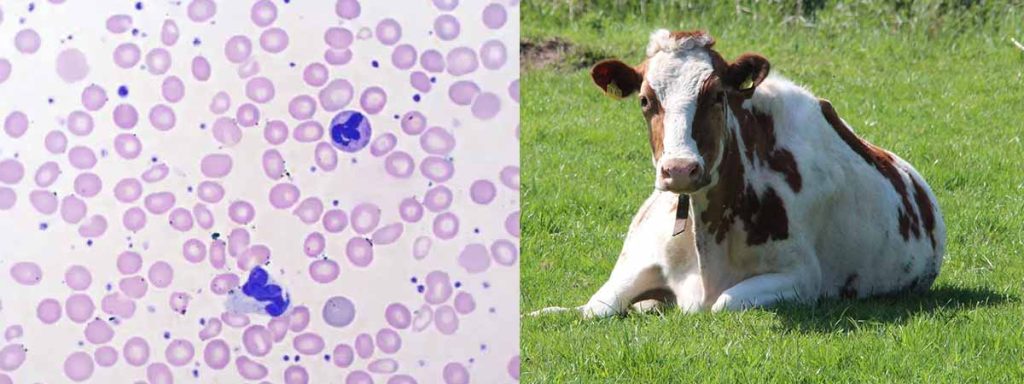
Regular testing schedules play a vital role in identifying high SCC cows before problems escalate. Farmers who test cows frequently can detect high SCC episodes early. This approach leads to better udder health and helps manage mastitis more effectively. The following points highlight the benefits of regular testing:
- Regular testing schedules improve the detection of high SCC cows.
- Frequent measurements enhance monitoring of udder health.
- Consistent testing is crucial for managing mastitis and improving overall cow health.
Consistent testing helps farmers spot high SCC cows that might otherwise go unnoticed.
CMT and Milk Culturing
The California Mastitis Test (CMT) and milk culturing offer valuable tools for confirming chronic cases among high SCC cows. The CMT provides a quick, cow-side method to screen for subclinical mastitis. Studies show that the CMT has moderate sensitivity and specificity, making it useful for routine checks.
| Study | Sensitivity | Specificity |
|---|---|---|
| 1 | 77% | 51% |
| 2 | 68.8% | 71.5% |
Milk culturing identifies the specific bacteria causing infections in high SCC cows. This information guides treatment decisions and helps prevent the spread of mastitis within the herd.
Tracking Individual Cow Histories
Tracking the history of high SCC cows across multiple lactations ensures accurate identification of chronic cases. Farmers should follow best practices to maintain reliable records:
- Maintain a clean and dry bedding environment to reduce bacterial growth.
- Implement a proper milking routine, including pre-dipping and forestripping, to minimize infection risk.
- Ensure routine testing and maintenance of milking equipment to prevent damage and infections.
- Manage stress factors, such as heat stress and transition periods, by providing adequate resources like clean water and ventilation.
- Regularly review and analyze milking procedures with staff for consistency.
Digital record-keeping systems, such as management information systems, improve the tracking of high scc cows. These systems automate data collection and analysis, allowing for more accurate detection and better management decisions.
Managing Chronically High SCC Cows
Treatment and Segregation
Farmers can manage high SCC cows by using effective treatment protocols and segregation strategies. Blanket dry cow therapy works better than selective dry cow therapy for reducing somatic cell count in chronically affected cows. Blanket therapy treats all quarters of every cow at dry-off, which lowers the risk of mastitis in the next lactation and reduces the chance of having milk with more than 200,000 cells/mL. Selective dry cow therapy targets only the most susceptible cows or quarters. This method can save money if used correctly, but it does not lower somatic cell count as much as blanket therapy.
- Blanket dry cow therapy reduces new infections and helps control intramammary infection.
- Segregating high SCC cows during milking prevents the spread of infections to healthy cows.
- Farmers should monitor cows closely for signs of clinical mastitis and adjust the subclinical mastitis plan as needed.
Tip: Always use separate equipment for high scc cows to avoid spreading infections.
Early Dry-Off and Culling
When cows do not respond to treatment or continue to show high SCC, farmers must consider early dry-off or culling. The following table outlines key criteria and actions:
| Option | Criteria/Action |
|---|---|
| 1 | Cull cows that are not productive or healthy, such as those with bad feet or low production. |
| 2 | Use milk from high scc cows to feed calves, as it is less expensive than milk replacer and helps improve bulk tank SCC. |
| 3 | Consider early dry-off for pregnant cows that are otherwise good, with veterinary supervision for aggressive dry treatment. |
| 4 | Evaluate cows using the California Mastitis Test (CMT) to identify and potentially remove bad quarters, improving overall SCC. |
Culling can provide immediate economic gain by selling the cow and saving on feed costs. Successful treatment brings higher returns, but keeping a sick cow leads to a loss in revenue. Treatment minimizes losses compared to culling, but only if the cow responds well.
| Strategy | Economic Gain (USD) | Notes |
|---|---|---|
| Culling | 145 | Immediate gains from selling the cow and saving on feed costs. |
| Successful Treatment | 2,127 | Higher gain if treatment is successful compared to keeping a sick cow. |
| Unsuccessful Treatment | 82 | Minimal gain from selling the cow if treatment fails. |
| Keeping Sick Cow | N/A | Results in a 4.7% loss in revenue compared to culling or treatment. |
| Treatment Loss Minimization | 41% | Treatment minimizes losses significantly compared to culling. |
When to Consult a Veterinarian?
Farmers should consult a veterinarian when cows show persistent clinical mastitis or do not respond to standard treatments. A veterinarian can help diagnose the cause of infections and recommend advanced therapies. Veterinary input is important for aggressive dry treatment, especially for cows considered for early dry-off. New infections that spread quickly or cases with repeated intramammary infection need expert advice. A veterinarian can also help update the subclinical mastitis plan to prevent future outbreaks.
Note: Early veterinary involvement improves outcomes for both high scc cows and the entire herd.
Conclusion
Dairy farmers can improve herd health by following key steps: develop a prevention plan, form a milk quality team, and use somatic cell count tester for early detection. Regular monitoring and prompt action lead to better treatment outcomes and protect milk quality. Good record-keeping helps identify cows needing attention. New SCC technologies, such as portable digital analyzers, offer precise results and support ongoing management.
Consistent care, proper nutrition, and routine equipment checks help maintain low SCC and high milk quality.
FAQ
What Is the Best Way to Track Somatic Cell Counts in Individual Cows?
Farmers can use digital record-keeping system and somatic cell count tester. These tools help monitor trends and identify cows with persistent high SCC. Regular updates ensure accurate tracking.
How Often Should Farmers Test for High SCC?
Testing every three to six weeks matches standard udder health practices. More frequent testing may be needed for cows with a history of high SCC or during periods of increased mastitis risk.
Can High SCC Cows Return to Normal Levels?
Some cows respond well to treatment and management changes. Early detection and prompt action increase the chances of recovery. Chronic cases may require culling if SCC remains high after multiple interventions.
What Are the Main Risks of Keeping Chronically High SCC Cows?
Chronically high SCC cows can spread infection to healthy herd members. They also reduce milk quality and farm profits. Removing or treating these cows protects the entire herd.
When Should a Veterinarian Get Involved?
A veterinarian should assist when cows do not respond to standard treatments or show repeated infections. Veterinary guidance ensures proper diagnosis and helps develop effective management plans.