
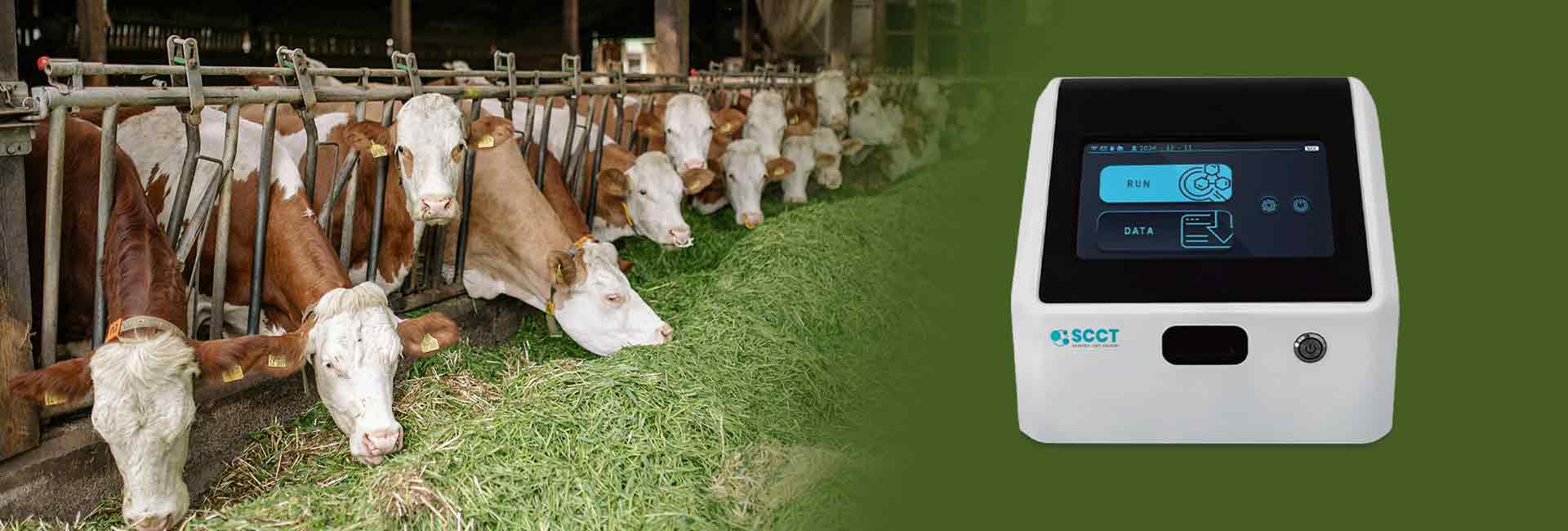


Flow cytometry plays a vital role in SCC testing by allowing precise analysis of skin samples. This technology supports diagnosis by rapidly evaluating somatic cells, which is crucial since squamous cell carcinoma represents about 25% of all non-melanoma skin cancers and stands as the most aggressive type. The somatic cell count tester improves sample preparation, ensuring reliable results. Flow cytometry offers time-saving and cost-effective benefits, maintains sensitivity, and enables simultaneous analysis of multiple skin samples. Intraoperative flow cytometry now emerges as a promising application for real-time skin cancer assessment.
Key Takeaways
- Flow cytometry enables rapid analysis of skin samples, improving the speed and accuracy of SCC diagnosis.
- Using a somatic cell count tester during sample preparation enhances the reliability of flow cytometry results.
- This technology allows for the simultaneous analysis of multiple parameters, aiding in personalized treatment strategies.
- Intraoperative flow cytometry provides real-time data, helping surgeons make immediate decisions during procedures.
- Flow cytometry’s high sensitivity and specificity reduce the risk of misdiagnosis, making it a preferred method for skin cancer assessment.
Flow Cytometry and SCC Testing
Principles of Flow Cytometry
Flow cytometry stands as a powerful tool in SCC testing for skin samples. This technology allows technicians to analyze thousands of cells in minutes. The process begins when a technician places a sample, such as skin tissue, in a liquid suspension. The sample receives fluorescently tagged antibodies, which help identify specific cell types. The somatic cell count tester assists in preparing the sample and ensures accurate somatic cell count before analysis. The flow cytometer arranges the cells in a single file and passes them through a laser beam. The laser scatters light off each cell, and the cytometer records these patterns. The instrument counts and categorizes the cells based on how they scatter light. The computer generates a report, often as a dot or bar graph, which a pathologist reviews for diagnostic purposes.
Tip: Using a somatic cell count tester during sample preparation improves the reliability of flow cytometry results in squamous cell carcinoma diagnosis.
Role in Skin Cancer Diagnosis
Flow cytometry plays a crucial role in skin cancer diagnosis, especially for squamous cell carcinoma. The technology identifies malignant cells by examining DNA content and cell cycle phases. Cancer cells often show increased proliferation, with more cells in the S and G2/M phases. This feature helps pathologists distinguish tumor cells from normal skin cells. Flow cytometry enables rapid and accurate analysis, which supports complete tumor excision and reduces recurrence risk. The method provides high-throughput characterization, capturing over 40 parameters at the single-cell level. The table below highlights unique capabilities of cytometry in SCC testing:
| Capability | Description |
|---|---|
| High-throughput characterization | Analyzes many parameters at the single-cell level from one skin sample. |
| Full emission spectrum capture | Differentiates fluorophores by capturing the complete emission spectrum. |
| Improved resolution | Offers better resolution of cell populations for immunophenotypic analysis in skin cancer. |
| Advanced computational tools | Explores complex datasets, enhancing understanding of immune profiles in tumor research. |
Flow cytometry combines sensitivity and flexibility, making it a preferred diagnostic method for skin cancer. The technology generates high-quality immune characterizations, which are critical for biomarker discovery and treatment planning.
Key Applications in SCC Diagnosis
Cell Detection and Quantification
Flow cytometry provides rapid and accurate cell detection in SCC testing. Technicians collect skin tissue samples during surgery and process them using standardized protocols. The somatic cell count tester plays a crucial role in sample preparation, ensuring that the somatic cell count remains consistent across all specimens. The FaDu cell line, derived from head and neck squamous cell carcinoma, helps establish optimal tissue processing and antibody staining conditions. The entire procedure takes less than three hours, which highlights the efficiency of cytometry in cell quantification.
- Technicians treat samples similarly to those from cancer patients, which maintains consistency.
- Cytometry enables high-throughput analysis, allowing thousands of cells to be evaluated in minutes.
- The process supports precise identification of malignant cells in skin cancer diagnosis.
Immunophenotyping and Biomarkers
Immunophenotyping with flow cytometry identifies key biomarkers in squamous cell carcinoma. This approach uses fluorescently labeled antibodies to detect specific cell surface markers. The somatic cell count tester ensures that technicians analyze the correct number of cells for reliable results. Cytometry distinguishes between immune cell populations, which supports diagnostic accuracy and guides treatment decisions.
The table below summarizes common biomarkers detected in skin samples during SCC testing:
| Cell Type | Markers |
|---|---|
| T lymphocytes | CD3, CD4, CD8, CD56, CD69 |
| B lymphocytes | CD19, CD69 |
| Neutrophils | CD11a, CD16, CD66b, HLA-DR |
| Monocytes | CD14, CD86 |
These markers help pathologists understand the immune landscape of the tumor and identify potential targets for therapy. Cytometry provides high sensitivity and specificity, which enhances the clinical utility of flow cytometry in skin cancer diagnosis.
Tumor Heterogeneity Assessment
Flow cytometry excels at assessing tumor heterogeneity in non-melanoma skin cancer. Technicians use cytometry to measure DNA content and ploidy status in skin samples.
- The incidence of aneuploidy reaches 80% in metastatic tumors, compared to 35% in non-metastatic tumors.
- The DNA index for metastatic tumors is 1.58, which is significantly higher than 1.16 for non-metastatic tumors.
- No significant differences appear in S phase and G2M phase fractions between metastatic and non-metastatic tumors.
- Studies show that 56% of tumors are diploid, 19% are aneuploid, and 12% are polyploid.
- Non-diploid tumors often present at more advanced clinical stages.
- Aneuploid tumors exhibit higher proliferation rates than diploid ones.
Cytometry enables detailed analysis of tumor cell populations, which supports personalized treatment strategies and improves diagnostic sensitivity.
Monitoring Treatment Response
Flow cytometry allows clinicians to monitor treatment response in squamous cell carcinoma patients. Next Generation Flow Cytometry (NGF) analyzes immune profiles in patients receiving therapies such as cemiplimab, an anti-PD-1 agent.
The table below outlines key aspects of monitoring treatment response using cytometry:
| Aspect | Details |
|---|---|
| Study Focus | Use of NGF to analyze immune profiles in SCC patients. |
| Treatment | Patients treated with cemiplimab, an anti-PD-1 therapy. |
| Methods | Analysis of peripheral blood using a 40-color antibody panel; evaluation of soluble biomarkers. |
| Endpoints | Clinical response measured by RECIST 1.1; toxicity assessed by CTCAE v5.0. |
| Data Analysis | Correlation of immune profiles with clinical outcomes using statistical tests. |
| Impact | Aims to identify predictive biomarkers to enhance precision immunotherapy in CSCC. |
Cytometry provides real-time data on immune cell changes, which helps clinicians adjust treatment plans and improve patient outcomes. The somatic cell count tester ensures accurate quantification of cells during analysis, which supports reliable monitoring.
Intraoperative Flow Cytometry
Intraoperative flow cytometry represents a breakthrough in skin cancer diagnosis and SCC testing. Surgeons use cytometry during procedures to evaluate tumor margins and confirm tumor-free resection margins.
- Intraoperative flow cytometry delivers results within minutes, which supports immediate surgical decisions.
- The technique improves sensitivity and specificity in detecting residual cancer cells.
- Cytometry enables rapid assessment of skin samples, which reduces the risk of leaving behind malignant tissue.
- The somatic cell count tester integrates seamlessly into the workflow, ensuring precise cell quantification during intraoperative analysis.
- Intraoperative flow cytometry enhances the diagnostic process and increases the likelihood of achieving tumor-free outcomes.
The clinical utility of flow cytometry continues to expand, especially with intraoperative applications. Cytometry supports both laboratory and real-time diagnostic needs in non-melanoma skin cancer, improving accuracy and efficiency in squamous cell carcinoma management.
Flow Cytometry Process in SCC Testing
Sample Preparation and Somatic Cell Count Tester
Technicians begin the flow cytometry process by preparing skin samples. They use a somatic cell count tester to measure the somatic cell count and ensure sample consistency. This step is essential for high-throughput analysis and reliable cancer detection. The somatic cell count tester helps maintain accuracy when processing cells from skin tumors. Proper sample preparation supports the clinical utility of flow cytometry and improves diagnostic sensitivity.
Staining and Labeling
Staining and labeling allow cytometry to distinguish between different cell types in skin cancer samples. Technicians use FITC-labeled antibodies against four key markers:
- EpCAM
- EGFR
- Pan CK (epithelial markers)
- Vimentin (EMT marker)
Combining epithelial and EMT markers helps capture circulating tumor cells with diverse phenotypes. The addition of Vimentin identifies cells undergoing epithelial-mesenchymal transition, which is important for understanding metastatic cancer. This approach increases both sensitivity and specificity in diagnostic testing.
Data Acquisition
During data acquisition, the flow cytometer analyzes thousands of cells from skin samples. Technicians follow best practices to ensure accurate results:
- They harvest and prepare cells correctly.
- They select appropriate staining and fluorochrome options.
- They use proper controls and maintain optimal sample conditions.
- They use Ca++/Mg++-free buffers like PBS to reduce cell aggregation.
- They add BSA or dialyzed FBS to decrease autofluorescence and EDTA to prevent cell adhesion.
A successful sort yields pure populations of tumor cells, which supports precise diagnosis and treatment planning. Intraoperative flow cytometry enables rapid assessment of tumor margins, helping surgeons achieve tumor-free resection margins.
Data Analysis
Data analysis transforms flow cytometry data into actionable insights for cancer diagnosis and treatment. Technicians use software tools such as InForm, FCS Express, FlowSOM, and ImmunoCluster. These tools help with compensation, transformation, clustering, and visualization of cell populations. FlowSOM distinguishes between different tumor and immune cells, while ImmunoCluster guides users through experimental design and interpretation. This step enhances the specificity and sensitivity of intraoperative flow cytometry, supporting tumor-free outcomes and improving the diagnostic process for skin cancer.
Advantages and Limitations
Speed and Accuracy
Flow cytometry offers rapid and precise analysis for SCC diagnosis. Technicians can process thousands of cells in minutes, which supports timely clinical decisions. The flow cytometric examination provides high sensitivity and high specificity, making it valuable for skin cancer diagnosis. The table below compares sensitivity and specificity values for flow cytometry and HPV HC2 testing:
| Test Type | Sensitivity (%) | Specificity (%) |
|---|---|---|
| Flow Cytometry | 87.6 (95% CI, 82.8-92.3) | 90.5 (95% CI, 86.2-94.7) |
| HPV HC2 Testing | 89.7 (95% CI, 85.4-94.1) | 84.5 (95% CI, 79.3-89.7) |
These results show that flow cytometry achieves reliable diagnostic performance for non-melanoma skin cancer.
Multiparametric Analysis
Cytometry enables multiparametric analysis by measuring several features of cells at once. Technicians can evaluate cell size, granularity, and marker expression in skin samples. This approach helps identify tumor heterogeneity and supports personalized treatment strategies. Flow cytometry allows researchers to study immune profiles and monitor treatment response in skin cancer patients. The ability to analyze multiple parameters increases the accuracy of diagnosis and improves patient care.
Sensitivity and Specificity
Flow cytometry demonstrates strong sensitivity and specificity in SCC testing. The technology detects malignant cells with high accuracy, which reduces the risk of false negatives and false positives. The flow process supports the identification of rare tumor cells in skin samples. Cytometry provides clinicians with reliable data for diagnosis and treatment planning. The combination of high sensitivity and specificity makes flow cytometry a preferred method for non-melanoma skin cancer assessment.
Limitations in SCC Testing
Despite its advantages, flow cytometry faces several limitations in SCC diagnosis:
- Inability to retrieve analyzed cells
- Requirement for ample cell numbers for analysis
- Potential bias or subjectivity during data analysis
- Challenges with sample preparation leading to false positives
- Inability to enrich rare cell populations
The table below compares limitations of flow cytometry, histopathology, and molecular techniques:
| Technique | Limitations |
|---|---|
| Flow Cytometry | Not widely utilized for serous fluids; challenges in differentiating reactive lymphocytosis from malignant lymphoma based on morphology alone. |
| Histopathology | Provides comprehensive architectural evaluation, but may not detect small populations of malignant cells. |
| Molecular Techniques | Can identify chromosomal abnormalities and gene rearrangements, but also limited in detecting small populations of malignant cells. |
Cost considerations also affect the adoption of flow cytometry in routine diagnostic workflows. The chart below illustrates hourly prices for flow cytometry services and instruments:
Flow cytometry provides rapid, multiparametric analysis with high sensitivity and specificity, but technicians must address its limitations and cost implications. Cytometry complements traditional diagnostic methods and enhances skin cancer diagnosis and treatment.
Conclusion
Flow cytometry improves SCC testing by providing speed, accuracy, and multiparametric analysis. Clinicians use this method to identify malignant clones, detect subtle disease signatures, and profile immune cells for better treatment strategies.
- Early relapse identification and personalized patient stratification become possible.
- Integration with other diagnostic tools enhances outcomes.
| Evidence Type | Findings | Impact on Prognosis |
|---|---|---|
| CEC Reduction | Reduction of CECs after treatment | Serves as a prognostic biomarker |
| Baseline CEC | High baseline CEC levels | Associated with shorter PFS |
| CEP Levels | High CEP levels at day 60 | Correlated with longer PFS |
| CEC Change | Decline in CECs after 8 days | Favourable impact on OS |
Future directions include standardizing intraoperative flow cytometry, validating protocols, and using AI for real-time decisions.
FAQ
What Is Flow Cytometry?
Flow cytometry is a laboratory technique. It analyzes physical and chemical properties of cells in a fluid. Scientists use lasers and fluorescent markers to identify and count different cell types quickly.
How Does Flow Cytometry Help in SCC Testing?
Flow cytometry detects and measures cancer cells in skin samples. It identifies cell types, counts them, and finds abnormal cells. This helps doctors diagnose squamous cell carcinoma more accurately.
What Are the Main Advantages of Flow Cytometry?
Flow cytometry provides fast results, high accuracy, and the ability to analyze many cell features at once. It supports early diagnosis and helps monitor treatment response.
Can Flow Cytometry Replace Traditional Skin Cancer Tests?
Flow cytometry complements traditional tests like histopathology. It offers extra information about cell types and tumor behavior. Doctors often use both methods for the best diagnosis.