



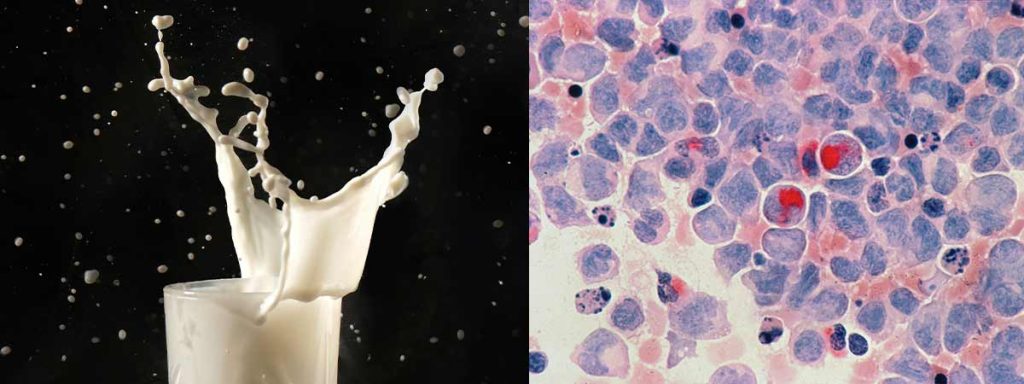
Large fluctuations in somatic cell count often result from several factors:
- Intramammary infections, especially from S. aureus
- Mastitis
- Environmental stressors, including heat and humidity
- Poor management practices, such as improper milking techniques
Early detection protects dairy herds and maintains milk quality. The following table shows how timely action impacts farm outcomes:
| Impact Area | Description |
|---|---|
| Milk Quality | High counts reduce production and quality, causing economic loss. |
| Economic Loss | Farms can lose up to $557 in three months due to high counts. |
| Cost-Effectiveness | Treating cows yields gains of $1,158.7 over three years compared to culling. |
Routine monitoring somatic cell counts with a reliable tester supports healthy herds.
Key Takeaways
- Monitor somatic cell counts regularly to detect infections early. Early detection helps maintain milk quality and herd health.
- Maintain clean and dry bedding to reduce bacterial growth. Clean environments lower the risk of mastitis and improve overall herd health.
- Implement proper milking techniques to minimize infection risk. Following best practices during milking supports udder health and milk quality.
- Manage environmental stressors like heat and humidity. Providing shade and ventilation can help reduce somatic cell count spikes during hot weather.
- Focus on proactive health and nutrition strategies. Good nutrition and health management lead to lower somatic cell counts and increased milk production.
Infection and Mastitis in Dairy Herds
Intramammary Infection Effects
Intramammary infections stand as the primary reason for sudden changes in somatic cell count. When bacteria invade the udder, the immune system responds by sending white blood cells to fight the infection. This process causes a sharp increase in somatic cell count. Researchers have measured the difference between infected and healthy quarters:
- Infected quarters show a mean somatic cell count of 210,520 cells/ml.
- Uninfected quarters average only 32,720 cells/ml.
- The highest counts occur with Enterobacter species at 338,000 cells/ml, Bacillus species at 319,200 cells/ml, and coagulase-negative Staphylococci at 268,170 cells/ml.
- Both the presence of infection and the type of bacteria influence the degree of fluctuation.
These findings highlight the importance of monitoring udder health to prevent severe infections.
Mastitis and Somatic Cell Count Spikes
Mastitis, an inflammation of the mammary gland, often leads to dramatic spikes in somatic cell count. This disease can appear in both clinical and subclinical forms. Clinical mastitis shows obvious symptoms, while subclinical mastitis remains hidden but still affects milk quality. Studies reveal that an increase of 100,000 cells/ml in herd bulk somatic cell count results in an 8–10% rise in the number of infected cows. The following table lists the most common pathogens responsible for these infections:
| Pathogen Type | Prevalence in Infections |
|---|---|
| Coagulase negative staphylococci | Most prevalent in subclinical infections |
| Gram-negative pathogens | Most common in clinical mastitis cases |
Mastitis not only impacts milk yield but also threatens the overall health of dairy herds.
Detecting Infection with Somatic Cell Count Tester
Early detection remains critical for managing infection and maintaining milk quality. A somatic cell count tester provides a quick and reliable way to measure somatic cells in milk. Farmers use these devices to identify mastitis and monitor milk hygiene. The somatic cell count tester helps detect subclinical mastitis, which does not show visible signs but still harms udder health. Elevated somatic cell count signals leukocyte infiltration, indicating infection. Regular monitoring of bulk tank somatic cell count serves as a first-line indicator for subclinical infection in herds.
Experts recommend using somatic cell count tester at every milking, especially after a high reading. Averaging multiple measurements over 24 hours improves accuracy and helps farmers respond quickly to changes. Consistent use of these testers supports early intervention and protects herd health.
Environmental and Stress Factors
Heat and Humidity Impact
Heat and humidity play a significant role in somatic cell count changes. Dairy cows experience stress when temperatures and humidity rise, especially during summer months. High-producing cows show increased SCC when the temperature-humidity index (THI) climbs. Stress weakens the immune system, making cows more vulnerable to infections. The environment also supports more pathogens, which can lead to mastitis outbreaks. The following table summarizes key findings:
| Evidence Description | Findings |
|---|---|
| Increased SCC in high-producing cows | Elevated THI levels correlate with increased SCC due to stress and compromised immunity. |
| Environmental pathogen load | Higher heat and humidity levels escalate pathogen load, leading to increased mastitis incidence. |
| SCC changes with THI | SCC increases at high THI levels and decreases at low THI levels, indicating a direct correlation. |
Farmers notice that SCC rises with higher temperature and humidity, especially in summer. Stress hormones released during hot weather can impair the cow’s immune response. As a result, SCC increases as the body struggles to fight off bacteria.
- Somatic cell count in dairy cows increase with higher temperature and humidity, especially in summer.
- High summer temperatures contribute to environmental stress, leading to elevated SCC due to heat stress and environmental mastitis.
- Stress hormones during hot weather can impair the immune response, resulting in higher SCC as the body struggles to fight off bacteria.
Stressors Like Exercise and Stray Voltage
Physical stressors also affect SCC in dairy herds. Exercise, sudden changes in routine, and stray voltage can cause stress responses in cows. Stray voltage, even at low levels, leads to behavioral changes and reduced feed intake. Cows exposed to stray voltage show decreased milk production and increased SCC. The table below highlights research findings:
| Evidence Type | Findings | Impact on Cows |
|---|---|---|
| Stray Voltage | Increased somatic cell counts | Behavioral changes, reduced feed intake, decreased milk production |
| Voltage Levels | Effects below 0.25mAmp | Significant health issues and lower milk output |
| Research Summary | 46 experiments evaluated | Cows exposed to 1 volt showed health declines |
Farmers should monitor for stray voltage and minimize sudden changes in cow routines to reduce stress.
Seasonal Changes and SCC
Seasonal changes influence SCC patterns in dairy herds. During summer, milk production decreases while SCC increases. In other seasons, both milk production and SCC remain at normal levels. The table below shows the relationship:
| Season | Milk Production | Somatic Cell Count (SCC) |
|---|---|---|
| Summer | Decreased | Increased |
| Other Seasons | Normal | Normal |
Cows face more environmental stress in summer, which leads to higher SCC. Farmers can expect fluctuations in SCC as seasons change, especially during periods of extreme heat and humidity.
Milking Practices and Hygiene
Milking Intervals and Techniques
Milking routines play a crucial role in controlling somatic cell count. Research shows that milking frequency and management strategies, especially in automatic milking systems, can influence both milk yield and cell counts. Cows with reduced milking permissions and feed allocation before dry-off experience a noticeable drop in milk production. Lower milking frequencies often result in reduced somatic cell counts without harming future lactation performance. Farmers who adjust milking intervals based on herd needs help maintain udder health and support consistent milk quality.
Equipment and Cleanliness
Clean equipment prevents the spread of bacteria and keeps somatic cell counts low. Each cleaning step serves a specific purpose in maintaining hygiene. The table below outlines the recommended cleaning process for milking equipment:
| Cleaning Step | Specifics | Purpose |
|---|---|---|
| Prerinse | Warm water rinse at 100–110 °F | Removes milk or debris, prevents films from forming |
| Alkaline wash | Hot water (170 °F) with detergents | Removes biofilms and buildups from milk components |
| Acid rinse | pH of 3.0–4.0 for 2–3 min | Prevents mineral deposits, inhibits bacterial growth |
| Dry | Equipment hung to dry | Limits bacterial growth between milkings |
| Sanitizing | Chlorine-based solutions at 100–110 °F | Removes lingering bacteria before the next milking |
Proper cleaning after every milking session ensures that bacteria do not contaminate the milk or equipment.
Preventing Fluctuations in Dairy Herds

Hygiene practices directly affect somatic cell count levels. Studies reveal that very clean cows have the lowest cell counts, while dirty cows show higher levels. Seasonal changes, such as heavy rainfall, can worsen hygiene conditions and increase cell counts. Farmers can minimize risk by following these tips:
- Maintain clean bedding and stalls to reduce exposure to pathogens.
- Wash udders thoroughly before each milking.
- Monitor cow cleanliness, especially during wet seasons.
- Regularly inspect and clean milking equipment.
Dairy herds benefit from consistent hygiene routines, which help prevent large fluctuations in somatic cell count and protect milk quality.
Cow Physiology and Herd Patterns
Days in Milk and Lactation Number
Days in milk and lactation number shape somatic cell count trends in dairy cows. Researchers observe that SCC changes as cows progress through their lactation cycles. The following points summarize these influences:
- SCC trends shift with days in milk and the number of lactations.
- Milk loss due to increased SCC varies by lactation stage and parity.
- Late lactation brings significant milk losses, whether cows are in their first or subsequent lactations.
Farmers notice that SCC often rises as cows approach the end of their lactation period. Both primiparous and multiparous cows experience these changes, which can affect overall herd productivity.
Age and Individual Variation
Cow age and individual variation play a key role in SCC levels. Younger cows, especially those in their first lactation, tend to have lower SCCs compared to older cows. The following list highlights these patterns:
- First lactation cows usually show lower SCCs than older cows.
- A higher percentage of first lactation cows fall into the lowest SCC categories.
- SCC levels increase with cow age, especially midway through lactation.
- First lactation cows may have higher SCCs right after calving, but their counts drop below 100,000 cells/ml after the first 50 days in milk.
- Older cows often display higher SCCs halfway through lactation.
These differences suggest that herd managers should pay close attention to age and lactation status when interpreting SCC results.
Monitoring Patterns in Dairy Herds
Effective monitoring strategies help identify SCC patterns and maintain herd health. Farmers use several approaches to track SCC and respond to changes. The table below outlines common monitoring methods:
| Monitoring Strategy | Description |
|---|---|
| Individual Cow Testing | Monitoring individual cow SCCs enhances milk quality and cow health. |
| Bulk Tank Testing | Bulk tank SCCs provide a general indication of herd udder health. |
| Cow-Side Meters | Quick, easy-to-use meters allow immediate SCC detection at the cow-side. |
Bulk tank SCCs serve as critical indicators of udder health. Counts below 100,000 cells/ml suggest healthy udders. Counts between 100,000 and 199,999 cells/ml require further testing. Counts above 200,000 cells/ml indicate infection. Farmers improve herd health by separating infected cows, using dry cow therapy, and maintaining clean bedding and milking routines.
Tip: Regular SCC monitoring helps farmers detect problems early and protect milk quality.
Managing and Preventing SCC Fluctuations
Regular Use of Somatic Cell Count Tester
Routine monitoring stands as a cornerstone for controlling somatic cell count in dairy herds. Farmers who use automated somatic cell count testers gain real-time insights into udder health. These devices help identify subclinical mastitis before symptoms appear, which allows for early intervention. Automated systems also support consistent data collection, making it easier to track trends over time.
- Regular use of somatic cell count testers helps monitor udder health.
- Early detection of subclinical mastitis prevents increases in somatic cell count.
- Prompt identification and resolution of health issues maintain milk quality.
Monthly measurement of individual animal somatic cell count proves effective for identifying cows at risk. Farmers can use data from these tests to monitor animals with high linear scores. Addressing these cases quickly prevents large fluctuations and supports herd stability.
Tip: Automated testing at every milking session provides the most accurate picture of herd health and helps in lowering somatic cell counts.
Improving Herd Management
Effective herd management practices reduce the risk of somatic cell count spikes. Clean and dry bedding prevents bacterial growth, while proper milking procedures minimize infection risk. Farmers should focus on providing a low-stress environment and maintaining equipment in top condition.
- Maintain clean and dry bedding to prevent bacterial growth.
- Follow proper milking procedures:
- Provide a calm, low-stress environment.
- Wipe teats with clean towels for each cow.
- Pre-dip teats for disinfection.
- Forestrip to remove milk that may contain high somatic cell count.
- Attach milking equipment correctly.
- Post-dip immediately after milking.
- Regularly maintain and calibrate milking equipment.
- Manage stress factors by ensuring adequate ventilation and hydration.
Monthly individual cow testing and bulk tank cultures help identify trends and bacterial causes. Farmers who cull chronically high-somatic cell count cows that do not respond to therapy protect the overall health of the herd.
Note: Seeking guidance from qualified dairy professionals can further improve herd management strategies.
Proactive Health and Nutrition
Proactive health measures and sound nutrition form the foundation for stable somatic cell count levels. Routine testing and data collection at both the bulk tank and individual cow level allow for early identification of problem areas. Collaboration with veterinarians and milk quality specialists ensures that protocols remain effective.
- Nutritional management and dietary composition influence milk protein and fat concentrations.
- Key factors include dry matter intake, available fiber, and the energy-to-protein ratio in the diet.
Farmers who review parlor procedures and train staff reduce the risk of mastitis transmission. Enhanced heifer management, focusing on nutrition and environment, establishes a strong base for future production.
Implementing preventive strategies leads to improved herd health and increased milk production. Lowering somatic cell counts reduces the risk of mastitis, lowers treatment costs, and extends cow lifespans. Cows in the top 25% for wellness produce more saleable milk and experience fewer health issues. Lower somatic cell count also links to better reproductive performance and higher net farm income.
- Higher somatic cell counts can reduce milk quality and increase operational costs.
- Maintaining low somatic cell count ensures better pricing premiums and market access.
Callout: Proactive management and nutrition not only stabilize somatic cell count but also boost profitability and herd longevity.
Conclusion

Large fluctuations in somatic cell count often result from infection, mastitis, environmental stress, and management practices. Recent research shows that SCC changes with lactation stage and weather, especially in spring when mud and wet conditions increase risk. Key takeaways include:
- Organic herds experience significant SCC variation over time.
- High SCC often leads to culling, with environmental mastitis as a major concern.
- Seasonal changes impact both SCC and milk quality.
Early detection with a somatic cell count tester and proactive herd management help protect herd health. Farmers should implement preventive strategies for better outcomes.
FAQ
What Is Considered a High Somatic Cell Count in Dairy Cows?
A somatic cell count above 200,000 cells/ml signals infection risk. Farmers should monitor cows with elevated counts and take action to protect herd health.
How Often Should Farmers Test Somatic Cell Count?
Farmers benefit from testing at every milking. Frequent checks help identify problems early and maintain milk quality.
Can Environmental Factors Cause Sudden SCC Changes?
Heat, humidity, and stress can raise somatic cell counts quickly. Farmers should provide shade and ventilation to reduce environmental stress.
Why Is Bulk Tank Somatic Cell Count Important?
Bulk tank somatic cell count gives a snapshot of overall herd health. Low counts indicate healthy udders and better milk quality.
What Steps Help Lower Somatic Cell Count?
Farmers should keep bedding clean, follow proper milking routines, and use somatic cell count tester regularly. These steps help prevent infection and reduce SCC.