
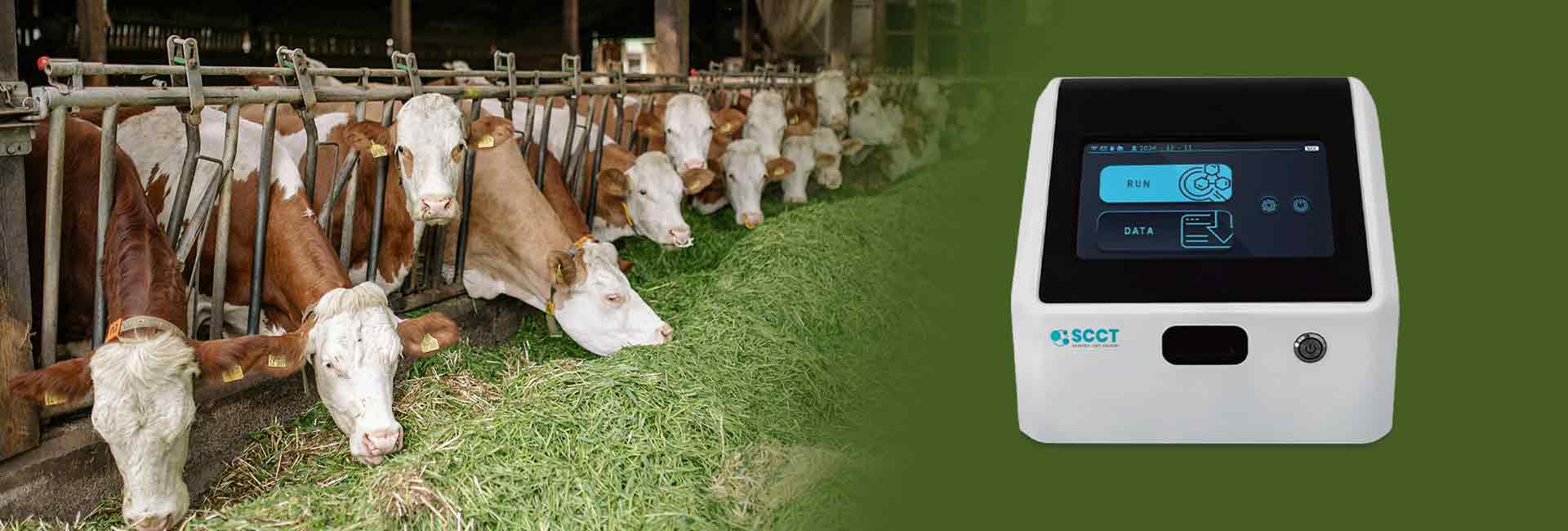



Accurate calibration of a somatic cell count milk tester ensures reliable results and protects milk quality. Mistakes during calibration of electronic somatic cell count devices can cause serious problems for dairy operations. When calibration is off, high somatic cell counts may go undetected. This leads to milk loss, decreased feed efficiency, and lower product value.
- Somatic cell count acts as a key indicator of quality.
- Inaccurate readings can misclassify milk, resulting in reduced prices if bulk tank counts exceed 500,000 cells per mL.
Regular review of calibration habits helps maintain detection accuracy and supports business success.
Key Takeaways
- Regular calibration of somatic cell count tester is essential for accurate results and maintaining milk quality. Skipping calibration can lead to costly milk loss.
- Use only manufacturer-recommended cleaning agents to avoid damaging the tester. Proper cleaning ensures accurate readings and extends the device’s lifespan.
- Follow specific calibration steps outlined by the manufacturer for your device. Ignoring these can result in inaccurate somatic cell count readings.
- Utilize high-quality reference standards for calibration. Poor standards can lead to unreliable results and affect milk quality.
- Maintain a stable environment for calibration. Temperature and humidity fluctuations can impact the accuracy of the somatic cell count tester.
Skipping Regular Calibration
Why Routine Calibration Matters?
Routine calibration of a somatic cell count milk tester plays a vital role in maintaining accuracy and extending device life. When dairy operators skip regular calibration, they risk unreliable results and poor milk quality. Elevated somatic cell count levels often lead to lower milk production, reduced pregnancy rates, and increased death losses in herds. These consequences affect both herd health and business outcomes.
Tip: Regular calibration helps prevent undetected high somatic cell count, which can result in costly milk loss and lower product value.
Regulatory guidelines require dairy plants to collect and submit raw milk samples for somatic cell count testing at least four times in six months. The acceptable limit for somatic cell count is set at either one million or two hundred fifty thousand per mL. Testing methods include direct microscopic count, electronic somatic cell count, flow cytometry, and membrane filter DNA somatic cell count. Adhering to these standards ensures compliance and supports consistent milk quality.
Setting a Calibration Schedule
Establishing a calibration schedule helps operators avoid missed checks and maintain reliable performance of the somatic cell count tester. Experts recommend using reference samples and calibration sets to verify accuracy. Flow cytometers, considered the most advanced method for determining somatic cells in milk, rely on reference samples for optimal calibration. Calibration sets made of lyophilized somatic cells allow quick and easy checks of equipment function.
The financial impact of neglecting regular calibration can be significant. The table below highlights key risks:
| Key Point | Explanation |
|---|---|
| Somatic Cell Count (SCC) Impact | Higher SCC levels can lead to reduced yields, off-flavors, and decreased shelf-life of milk products, affecting sales. |
| Payment Adjustments | Producers may face financial losses due to lower prices for milk with high SCC levels. |
| Economic Benefits | Low SCC levels are more beneficial for manufacturing handlers, indicating a financial risk for those relying on high-quality milk. |
A consistent calibration schedule protects both milk quality and business profitability. Operators who prioritize regular calibration of their somatic cell count tester support herd health, meet regulatory standards, and maximize economic returns.
Improper Cleaning of the Tester
Cleaning Agents to Avoid
Many dairy operators overlook the importance of using the right cleaning agents for their somatic cell count tester. Some cleaning products can damage sensitive components or leave residues that interfere with accurate readings. Avoid harsh chemicals, abrasive powders, and strong acids not recommended by the manufacturer. These substances may corrode internal parts or create films that trap milk residues. Chlorine-based solutions are suitable for sanitizing, but operators should never use undiluted bleach or industrial solvents. Using the wrong cleaning agent can reduce the accuracy of the somatic cell count milk tester and compromise milk quality.
Note: Always check the manufacturer’s instructions before selecting a cleaning product. Using approved agents helps maintain the quality of milk and extends the life of the tester.
Proper Cleaning Steps
A consistent cleaning routine ensures reliable performance and accurate milk somatic cell count results. Leading manufacturers recommend a step-by-step cleaning protocol, which helps remove milk residues and prevent bacterial growth. The table below summarizes these steps:
| Cleaning Step | Specifics | Purpose |
|---|---|---|
| Prerinse | Warm water rinse at 100–110 °F immediately after milking. | Removes remaining milk or debris without creating films. |
| Alkaline (detergent) wash | Use hot water (170 °F) for 6–10 min. | Removes biofilms and buildups from milk components. |
| Acid rinse | pH of 3.0–4.0 for 2–3 min. | Prevents milk stone and inhibits bacterial growth. |
| Dry | Equipment should be hung to dry. | Limits bacterial growth between milkings. |
| Sanitizing | Use chlorine-based solutions at 100–110 °F. | Ensures removal of lingering bacteria before next milking. |
Operators should also conduct maintenance at recommended intervals, including replacing hoses and monitoring pulsators. Monitoring water temperature and pH during cleaning cycles prevents buildup and ensures thorough removal of milk residues. Immediate cleaning after each use supports accurate somatic cell count readings and protects milk quality. A clean somatic cell count tester helps maintain high standards for milk and supports overall business success.
Ignoring Manufacturer Guidelines
Device-Specific Calibration Steps
Each somatic cell count tester comes with unique calibration procedures. Manufacturers design these steps to match the device’s technology and ensure accurate readings. Operators who ignore these instructions risk incorrect somatic cell count results. For example, some testers require specific reference samples, while others need software updates before calibration. Following the recommended steps helps maintain milk quality and protects the reliability of the somatic cell count milk tester.
Operators should check the calibration sequence for their device. Many testers use a step-by-step process that includes sample preparation, device setup, and verification. The table below shows common calibration steps for different models:
| Device Model | Calibration Step Example | Importance |
|---|---|---|
| Flow Cytometer | Use lyophilized reference cells | Ensures cell count accuracy |
| Electronic Counter | Update firmware before testing | Prevents software errors |
| Manual Tester | Clean sample chamber thoroughly | Reduces contamination risk |
Tip: Always follow the device-specific calibration steps to avoid inaccurate milk readings and protect herd health.
Where to Find Instructions?
Manufacturers provide detailed instructions for each somatic cell count tester. Operators can find these guidelines in user manuals, online support pages, or training videos. Some companies include quick-start guides with new devices. Reading these resources helps users understand calibration requirements and avoid costly mistakes.
Operators should keep manuals in an accessible location. Many manufacturers offer downloadable PDFs or interactive tutorials. If instructions are missing, users can contact customer support for help. Reviewing guidelines before calibration ensures the tester delivers reliable results and supports milk quality.
Operators who follow manufacturer instructions maintain the accuracy of their somatic cell count readings. This practice helps dairy businesses meet industry standards and deliver high-quality milk to consumers.
Using Poor Reference Standards
Quality of Calibration Sets
The accuracy of a somatic cell count milk tester depends on the quality of the calibration sets used. When operators use poor reference standards, the device may produce unreliable results. Inconsistent calibration materials can cause significant errors in the quantification of somatic cell count. These errors affect the analysis of milk and can lead to incorrect detection of mastitis or bacterial contamination. Poor reference standards often have varying concentrations and matrices, which introduce inaccuracies in the quantification process. The assigned values of these materials may not match true values, making the analysis less reliable. Laboratories that use inconsistent reference materials may find it difficult to compare somatic cell count results.
- Poor reference standards lead to calibration with materials that vary in matrix and concentration, introducing inaccuracies.
- The characterization of reference materials is inconsistent, resulting in unreliable assigned values.
- Variability in the reference materials affects the comparability of somatic cell count results across laboratories.
High-quality reference standards improve the detection accuracy of a somatic cell count tester. Studies show that using consistency indices for monitoring somatic cell count can significantly enhance detection accuracy. The probability of identifying violators increases, and the certainty of the analysis improves. This means that high-quality calibration sets help operators detect mastitis and bacterial contamination more effectively, protecting milk quality and herd health.
Storing Reference Samples
Proper storage of reference samples is essential for accurate quantification and analysis. Operators should keep calibration sets in a cool, dry place to prevent degradation. Exposure to heat or moisture can change the concentration of somatic cells, leading to errors in the quantification process. Samples that are not stored correctly may allow bacteria to grow, which affects the analysis and can result in false readings for mastitis or bacterial contamination. Regularly checking expiration dates and following manufacturer guidelines ensures that reference samples remain reliable for calibration. Good storage practices support consistent results from the somatic cell count tester and help maintain high milk quality.
Overlooking Environmental Factors
Temperature and Humidity Effects

Environmental conditions play a significant role in the calibration accuracy of a somatic cell count tester. Operators often overlook how temperature and humidity fluctuations can impact device performance. Changes in temperature can alter instrument signals and affect the reliability of readings. Humidity also influences measurements, sometimes causing inaccuracies that lead to incorrect somatic cell counts.
The following table summarizes how these factors affect calibration accuracy:
| Factor | Impact on Calibration Accuracy |
|---|---|
| Temperature Fluctuations | Changes in instrument performance and signal variations, affecting accuracy |
| Humidity Fluctuations | Similar effects as temperature, leading to inaccuracies in measurements |
| Instrument Type | DTGS thermal detectors respond to temperature changes, affecting capacitance and voltage |
| Environmental Noise | Random photons and thermodynamic noise can contribute to signal noise and variations |
Unfavorable environmental conditions, such as heat stress, can result in economic losses for dairy farmers. High temperatures and humidity levels may increase pathogen loads, raising the risk of mastitis and affecting somatic cell counts. These changes directly influence the overall quality of milk. Operators must recognize that calibration accuracy depends on maintaining stable environmental conditions.
Best Calibration Environment
Selecting the right environment for calibrating a somatic cell count tester ensures reliable results. Operators should choose a location with controlled temperature and humidity. A clean, dry room with minimal exposure to sunlight or drafts helps maintain consistent readings. Avoid areas near machinery or sources of vibration, as these can introduce environmental noise and disrupt calibration.
Operators can follow these steps to create an optimal calibration environment:
- Monitor room temperature and humidity using reliable sensors.
- Keep the calibration area free from dust and moisture.
- Schedule calibration during times when environmental conditions remain stable.
- Store calibration sets and reference samples in the same controlled environment.
Tip: Consistent calibration conditions help protect device accuracy and support high milk quality.
A well-maintained environment allows the somatic cell count tester to deliver precise results. Dairy operations that prioritize environmental control during calibration improve detection accuracy and safeguard the quality of their milk.
Rushing the Calibration Process
Risks of Hasty Calibration
Many dairy operators rush the calibration process for their somatic cell count tester. This approach often leads to inaccurate readings and unreliable results. When individuals skip steps or shorten the calibration method, the device may fail to detect elevated somatic cell counts in milk. Incomplete calibration can compromise milk quality and result in financial losses. Operators who do not follow the recommended method risk missing critical details that affect the accuracy of the somatic cell count tester. Hasty calibration increases the chance of errors, which can lead to misclassification of milk and reduced product value. The method used during calibration must be thorough to ensure the device performs as expected.
Tip: Careful attention to each method step helps maintain the accuracy and reliability of the somatic cell count tester.
The table below highlights common risks associated with rushing the calibration method:
| Risk | Impact on Milk Quality |
|---|---|
| Skipped method steps | Unreliable somatic cell count |
| Incomplete cleaning method | Contaminated sensor readings |
| Ignored method standards | Misclassified milk batches |
Steps for Careful Calibration
Operators should follow a detailed method to calibrate the somatic cell count tester. This method ensures accurate detection and supports milk quality. The recommended method includes the following steps:
- Prepare the sensor system and confirm all sensors are clean and free of residue using the approved cleaning method.
- Select certified calibration standards, such as lyophilized somatic cell reference materials or Electronic Somatic Cell Calibration-Validation Standards, following the proper method for selection.
- Insert the calibration standard into the sensor system using the correct method.
- Run a test using the standard and record the sensor readings as part of the method.
- Compare the sensor readings to the assigned values of the calibration standard, applying the comparison method.
- Adjust the sensor calibration settings if discrepancies appear, using the adjustment method.
- Repeat the test with additional standards to confirm sensor accuracy, following the repetition method.
- Document all calibration steps and results in the maintenance log, using the record-keeping method.
Operators who use this method for calibration improve the reliability of the somatic cell count tester. Careful calibration supports milk quality and helps dairy businesses avoid costly mistakes. The method outlined above provides a clear path to consistent and accurate results.
Detection Issues After Calibration
Spotting Calibration Errors
Operators often notice detection issues after calibrating a somatic cell count tester. Detection accuracy plays a crucial role in maintaining milk quality. When calibration is not performed correctly, detection methods may fail to identify high somatic cell counts. Detection errors can appear as inconsistent detection results, sudden changes in detection readings, or detection values that do not match expected detection outcomes. Operators should compare detection results from the somatic cell count tester with previous detection records. If detection values differ significantly, this may indicate a detection problem. Detection methods should produce stable detection results over time. If detection readings fluctuate, operators should suspect a detection error. Detection issues can also arise if detection methods do not align with manufacturer recommendations. Operators should always verify detection methods and detection protocols. Detection errors can lead to poor scc detection and impact milk quality. Detection accuracy ensures that detection methods provide reliable scc detection for herd health.
Tip: Consistent detection results from the somatic cell count tester indicate proper calibration and reliable detection methods.
Troubleshooting Detection Problems
When detection problems occur, operators should follow a systematic approach to restore detection accuracy. The following steps help identify and resolve detection issues with the somatic cell count tester:
- Review detection methods and confirm that all detection steps match the manufacturer’s detection guidelines.
- Inspect the somatic cell count tester for detection residue or detection contamination that may affect detection readings.
- Recalibrate the somatic cell count tester using certified detection standards and approved detection methods.
- Compare detection results with external detection controls or detection reference samples to verify detection accuracy.
- Check environmental conditions that may influence detection, such as temperature or humidity, and adjust detection settings if needed.
- Document all detection troubleshooting steps and detection outcomes for future detection reference.
A table below summarizes common detection problems and solutions:
| Detection Problem | Possible Cause | Solution |
|---|---|---|
| Detection readings unstable | Incomplete detection cleaning | Repeat detection cleaning and recalibrate |
| Detection values too high | Faulty detection standard | Replace detection standard |
| Detection results vary | Environmental detection shift | Control detection environment |
Operators who follow these detection troubleshooting steps can restore detection accuracy and maintain reliable SCC detection. Proper detection methods and regular detection checks ensure that the somatic cell count tester delivers accurate detection results, supporting milk quality and effective SCC detection.
Practical Tips and Checklist
Calibration Checklist
Operators in dairy laboratories can improve calibration accuracy by following a practical checklist. The somatic cell count tester requires careful attention to detail for reliable quantification method results and rapid detection of somatic cells. The following list highlights essential steps:
- Calibrate the somatic cell count tester regularly to maintain accuracy and support rapid detection.
- Mix samples thoroughly and use accurate pipetting to ensure the quantification method produces consistent results.
- Prepare slides with care, using clean, degreased surfaces and high-quality stains to avoid artifacts that affect the quantification method.
- Count only clearly identifiable somatic cells. Discard doubtful or clumped cells unless two nuclei are visible, which improves the quantification method.
- Verify equipment calibration before each use and prepare duplicate slides to average results for better quantification method reliability.
- Store and transport milk samples at recommended temperatures to preserve cell integrity and support rapid detection.
- Ensure all milkers wear clean gloves at every milking and cover every teat after each session to maintain sample quality.
- Organize the first milk recording within 60 days of calving and change liners after 2,000 milkings or every six months.
- Conduct machine checks using daily, weekly, and monthly protocols to support the quantification method and rapid detection.
Operators who use a checklist reduce errors and improve the quality of calibration outcomes.
Training and Record-Keeping
Regular training and thorough record-keeping play a key role in the calibration process for the somatic cell count tester. Staff who understand the quantification method and rapid detection protocols can avoid common pitfalls. Training sessions help team members recognize errors and follow best practices for milk sample handling. Accurate control of reagent preparation, sampling, and reaction timing ensures the quantification method remains reliable.
The table below shows how training and record-keeping contribute to calibration success:
| Practice | Explanation |
|---|---|
| Accurate control of reagent preparation, sampling, and reaction timing | Following standard protocols maintains quantification method accuracy and supports rapid detection. |
| Regular testing and record-keeping | Consistent documentation improves decision-making and ensures milk quality meets industry standards. |
Operators who document calibration steps and results create a reliable history for the somatic cell count tester. This record supports future quantification method improvements and helps maintain rapid detection capabilities. Training and record-keeping together ensure that calibration supports high milk quality and reliable quantification method results.
Conclusion

Dairy operators often face challenges when calibrating a somatic cell count tester. Skipping regular calibration, using poor reference standards, and ignoring manufacturer guidelines can reduce detection accuracy and device performance. Plants that calibrate more often achieve higher accuracy and precision. Regular calibration of the somatic cell count tester leads to better raw milk quality, improved health, and greater business efficiency. Operators who follow best practices and use high-quality calibration sets protect mammary gland health and ensure reliable results. The checklist and tips help maintain health, support raw milk quality, and drive business success. Health depends on accurate calibration. Raw milk testing with a somatic cell count tester supports health. Health improves when raw milk is tested regularly. Raw milk quality reflects health. Health and raw milk quality benefit from careful calibration. Raw milk producers see health gains with routine calibration. Health outcomes improve with accurate raw milk testing. Raw milk quality and health rise together. Health, raw milk, and mammary gland health all depend on the somatic cell count tester.
FAQ
How Often Should Operators Calibrate a Somatic Cell Count Tester?
Operators should calibrate a somatic cell count tester at least once a month. Frequent calibration helps maintain accuracy and supports reliable milk quality results. Some manufacturers recommend weekly checks for high-volume dairy operations.
What Are the Signs of Poor Calibration?
Common signs include inconsistent readings, sudden changes in somatic cell count values, and results that do not match previous records. Operators may also notice frequent detection errors or unreliable test outcomes.
Tip: Regularly compare results with reference samples to spot calibration issues early.
Which Cleaning Agents Work Best for a Somatic Cell Count Tester?
Manufacturers recommend mild detergents and chlorine-based sanitizers. Avoid strong acids, undiluted bleach, and abrasive powders. Approved cleaning agents protect sensitive components and help maintain accurate readings.
| Cleaning Agent | Recommended | Not Recommended |
|---|---|---|
| Mild Detergent | ✅ | |
| Chlorine Sanitizer | ✅ | |
| Undiluted Bleach | ❌ | |
| Abrasive Powders | ❌ |
Can Environmental Conditions Affect Calibration Results?
Temperature and humidity changes can impact calibration accuracy. Operators should calibrate the somatic cell count tester in a controlled environment to prevent signal fluctuations and ensure reliable results.