



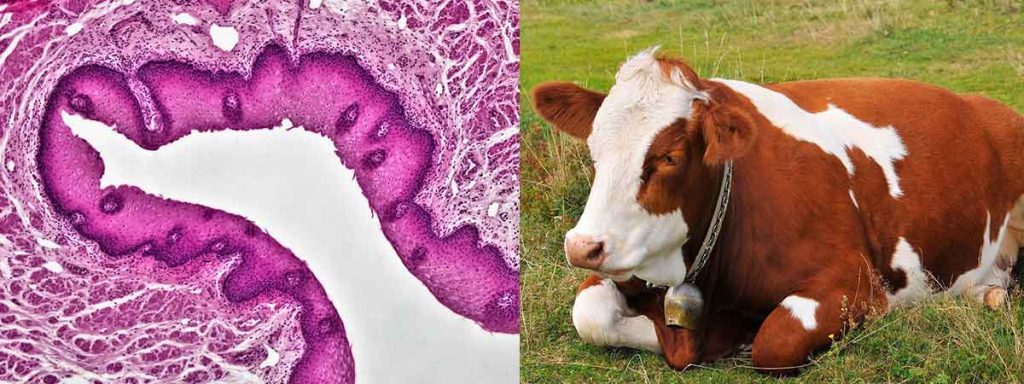
Smart nutrition plays a key role in reducing SCC risk for both milk quality and cancer prevention. In dairy herds, SCC refers to somatic cell count, which serves as an important indicator of udder health. In human and animal health, scc also means squamous cell carcinoma, a common form of cancer. Feed choices directly impact herd health and can help prevent skin and oral cancers.
- Diets high in meat and fat increase the risk of scc tumors, especially for those with a history of skin cancer.
- Animal-origin foods may raise the risk of certain cancers, such as non-Hodgkin lymphoma.
Regular monitoring with a somatic cell count tester helps maintain milk quality and supports overall health.
Key Takeaways
- Smart nutrition lowers somatic cell count (SCC) and cancer risk. Focus on balanced diets with antioxidants.
- Regular monitoring of SCC helps maintain milk quality and supports herd health. Use a somatic cell count tester every few weeks.
- Include antioxidant-rich foods like citrus fruits and leafy greens in the diet. These foods help protect against cancer.
- Limit saturated fats from animal products. Choose healthier fats from seeds and fish to reduce cancer risk.
- Evaluate feed programs regularly. Ensure cows receive all essential nutrients to support health and prevent high SCC.
SCC And Milk Quality
What Is SCC in Milk?
Somatic cell count, or SCC, stands as a key measure in the dairy industry. It reflects the number of somatic cells present in milk. These cells include white blood cells and epithelial cells, which the udder releases in response to infection or inflammation. High SCC often signals udder health problems, such as mastitis. Dairy experts use SCC to assess both milk quality and the overall health of the herd.
Recent research highlights the importance of SCC as an indicator of udder health. Somatic cells play a role in the mammary gland’s immune response. When infection occurs, the number of these cells rises. This change can help farmers detect issues early and protect milk quality. The following table shows how different SCC levels relate to udder health:
| SCC Level (cells/ml) | Udder Health Indicator |
|---|---|
| < 100,000 | Uninfected udder |
| 100,000 – 199,999 | Infection possible |
| ≥ 200,000 | Infection likely |
Milk quality depends on keeping SCC low. When SCC rises above certain thresholds, milk quality drops. The table below outlines how scc levels affect milk quality:
| SCC Level (cells/ml) | Milk Quality Indicator |
|---|---|
| > 200,000 | Considered infected |
| > 400,000 | Unfit for consumption |
Mastitis, a common disease in dairy cows, links closely to high SCC. This disease causes inflammation in the udder, which leads to a spike in somatic cells. By monitoring SCC, farmers can catch mastitis early and maintain high milk quality. Differential somatic cell count (DSCC) offers even more detail, helping pinpoint the stage of inflammation and guiding treatment decisions.
The dairy industry also uses SCC thresholds to grade milk and determine its marketability. The following table summarizes these standards:
| SCC Threshold (cells/ml) | Implication |
|---|---|
| Below 150,000 | Herd-average for mastitis control and milk quality |
| 100,000 or less | Indicates an ‘uninfected’ cow |
| 200,000 | Threshold for determining infection with mastitis |
| Over 400,000 | Deemed unfit for human consumption by the EU |
Maintaining low SCC ensures that milk meets strict quality standards. This practice protects both consumers and the reputation of dairy producers.
Impact on Production
SCC does not only affect milk quality. It also has a direct impact on milk production. When SCC rises, milk yield often drops. This relationship occurs because infections like mastitis damage udder tissue, reducing the cow’s ability to produce milk. Scientific studies show that even small increases in SCC can lead to measurable losses in production.
The table below summarizes key findings from research on SCC and milk production:
| Key Findings | Description |
|---|---|
| Dilution Effect | As milk yield increases, SCC is diluted in cows without infection. |
| Impact of SCC on Yield | At low scc values, a slightly negative linear relationship with yield exists. |
| Adjusted Models | Models show significant yield reduction when SCC exceeds 200,000 cells/ml. |
Elevated SCC in individual cows leads to direct milk production loss. At the herd level, total milk yield loss depends on how many cows have high SCC. Calculating losses per cow helps farmers understand the true impact on production and milk quality.
Economic analyses reveal that high SCC causes financial losses for dairy farms. Lower milk yield and reduced milk quality both contribute to decreased income. For example, one study found that farms with high SCC lost an average of 557 USD over three months. Treating affected cows proved more cost-effective than culling, with potential gains of over 1,100 USD over three years if treatment succeeded.
Tip: Regular monitoring of SCC helps maintain milk quality, supports higher production, and protects farm profitability.
Nutrition and Cancer Prevention
Antioxidants in Feed
Squamous cell carcinoma remains a major concern for both livestock and humans. Nutrition plays a vital role in prevention. Antioxidants in feed help protect cells from damage caused by reactive oxygen species. These harmful molecules contribute to cancer development. Researchers have found that dietary antioxidants can neutralize these molecules and support overall health. Experimental studies show that antioxidants prevent the transformation of normal cells and inhibit tumor growth. Observational studies reveal that a high intake of antioxidant-rich foods is linked to a lower risk of cancer, including squamous cell carcinoma. A systematic review found that increased citrus fruit intake led to a marginally significant decrease in cancer risk.
- Reactive oxygen species are linked to cancer development and can be neutralized by dietary antioxidants.
- Experimental studies indicate that antioxidants can prevent the transformation of normal cells and inhibit tumor growth.
- Observational studies show that a high intake of antioxidant-rich foods is inversely related to cancer risk, including squamous cell carcinoma.
- A systematic review found a marginally significant decrease in the risk of squamous cell carcinoma with increased citrus fruit intake.
Farmers and nutritionists recommend including antioxidant-rich ingredients in the diet. These ingredients support prevention and improve herd health. Common sources include citrus fruits, leafy greens, and grains.
Tip: Regularly adding antioxidant-rich foods to the diet helps lower cancer risk and supports prevention efforts.
Fat Composition and Cancer Risk
The type and amount of fat in the diet influence cancer risk and prevention. Diets high in saturated fats and animal-origin foods have been associated with an increased risk of squamous cell carcinoma. Unsaturated fats, such as those found in seeds and fish, may offer protective effects. Nutrition experts suggest balancing fat intake to support health and prevention. They advise limiting saturated fats and choosing healthier options.
The following table summarizes fat types and their impact on cancer risk:
| Fat Type | Source | Impact on Cancer Risk |
|---|---|---|
| Saturated Fat | Animal products | Increased risk |
| Unsaturated Fat | Seeds, fish, plants | May reduce risk |
| Trans Fat | Processed foods | Increased risk |
Farmers should work with nutritionists to design a diet that supports prevention. They can select feed ingredients that provide healthy fats and avoid those that raise cancer risk. Consistent monitoring of fat composition in the diet helps maintain herd health and supports prevention.
Role of Protein and Metabolic Balance
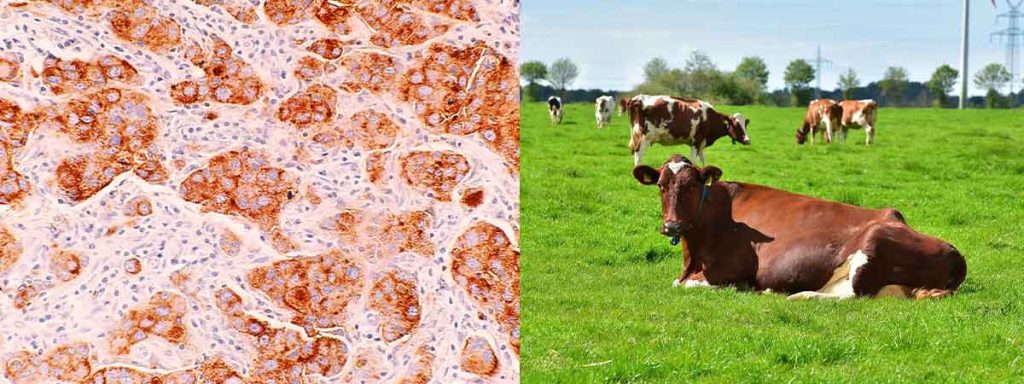
Protein balance in the diet affects both SCC and cancer prevention. Cows with high SCC show changes in milk composition, including reduced milk fat, total casein, and calcium. Concentrations of whey protein, sodium, and chloride increase. These changes lower the quality of dairy products. Processors require high-quality milk for production. The synthesis of milk protein depends on energy supply and the balance of amino acids available to the mammary gland. A well-balanced diet supports optimal milk quality and prevention.
Nutritionists recommend adjusting protein levels to meet the needs of the herd. They monitor dietary protein and energy to maintain metabolic balance. This approach supports health and reduces the risk of cancer. Farmers should evaluate protein sources and ensure the diet provides all essential amino acids.
Note: Balanced dietary protein and energy supply are crucial for maintaining low SCC and supporting cancer prevention.
A focus on nutrition, including antioxidants, fat composition, and protein balance, helps reduce the risk of squamous cell carcinoma. Prevention starts with smart dietary choices and regular evaluation of feed programs.
Feed Strategies for Production
Feed Quality and Consistency
Feed quality and consistency play a crucial role in supporting optimal production and controlling SCC. Dairy farmers must select high-quality ingredients for every diet to maintain steady feeding routines. Consistent feeding schedules help stabilize milk yield and prevent fluctuations in production. When cows receive a balanced diet at regular intervals, they show improved milk yield and better overall health. Nutrition experts recommend monitoring feed storage conditions to avoid spoilage and nutrient loss. Regular evaluation of feed quality ensures that cows receive the nutrients needed for maximum milk yield and production efficiency.
Tip: Farmers should keep detailed records of feeding times and diet composition to track changes in milk yield and production.
Mycotoxins and Contaminants
Mycotoxins and contaminants in feed can negatively impact production and increase SCC. Studies show that certain mycotoxins, such as ZEA, DON, and AFB1, raise scc and harm cow health. The table below summarizes the effects of common mycotoxins:
| Mycotoxin | Concentration | Effect on Somatic Cell Count | Additional Health Implications |
|---|---|---|---|
| ZEA | 625 μg/kg | Increased | Impaired immune function |
| DON | 471 μg/kg | Increased | Negative blood parameters |
| AFB1 | 21.2 μg/kg | Increased | Elevated liver enzymes |
| DON | 3.2 mg/kg | Increased | Elevated serum protein levels |
| OTA | N/A | N/A | Increased oxidative stress |
| FB1 | N/A | N/A | Synergistic lipid peroxidation |
Recent research highlights FB1 as a possible preventable cause of cancer, emphasizing the importance of monitoring feed for contaminants. Farmers should regularly test feed for mycotoxins and remove contaminated batches to protect milk yield and production.
- Some mycotoxins, like enniatins, lack sufficient data for classification as carcinogenic.
- FB1 is prioritized for re-evaluation due to its potential link to cancer risk.
Ration Formulation for Milk
Proper ration formulation is essential for maximizing milk yield and production. Nutritionists use techniques like linear programming and mathematical models to balance feed costs with nutritional needs. Optimized feeding strategies improve dairy productivity and profitability. Supplementing diets with antioxidants and minerals, such as Vitamin A, C, E, selenium, zinc, and copper, helps reduce scc and supports healthy milk yield. These nutrients strengthen immune defenses and enhance milk composition.
Farmers should work with nutritionists to design diets that meet the herd’s requirements. Regular review of ration formulation ensures that feeding supports consistent milk yield and production goals.
Note: Strategic feeding and careful diet planning lead to higher milk yield, improved production, and lower scc.
Practical Prevention Tips
Evaluating Feed Programs
Farmers and herd managers must regularly evaluate feed programs to support cancer prevention and maintain herd health. They review the diet for nutrient balance and monitor the impact on somatic cell count. A well-designed diet helps reduce the risk of cancer and keeps somatic cells at optimal levels. Managers check for deficiencies that may increase somatic cell count and lead to health problems. They also assess feed quality to prevent contamination, which can raise cancer risk. Routine evaluation ensures that the diet supports prevention and promotes healthy milk production.
Tip: Consistent feed program reviews help identify issues early and support long-term cancer prevention.
Working with Nutritionists
Professional nutritionists play a vital role in herd health and cancer prevention. They analyze the diet and recommend changes to lower somatic cell count. Nutritionists suggest feed additives that block harmful substances, such as aflatoxins, from entering the milk supply. They also advise on supplementing rations with trace minerals, which can reduce somatic cell count and minimize mastitis. These actions help maintain milk quality and support cancer prevention. Nutritionists use their expertise to design diets that promote health and keep milk somatic cells low.
- Nutritionists address dietary deficiencies that may lead to mastitis and increased somatic cell count.
- They recommend specific feed additives to block aflatoxins and improve milk safety.
- Supplementing with trace minerals supports health and reduces cancer risk.
- The use of RFCs prevents the transfer of harmful substances into milk, enhancing safety and supporting prevention.
Monitoring with Somatic Cell Count Tester
Regular monitoring with a somatic cell count tester is essential for cancer prevention and herd health. The tester provides a quick and reliable method to measure somatic cell count in milk. High somatic cell count indicates poor milk quality and possible infection, which can increase cancer risk. Testing serves as a quality assurance measure and protects farm profits. The somatic cell count tester acts as a crucial indicator for udder health and milk hygiene. Dairy herds typically perform somatic cell count testing every three to six weeks. This frequency allows for effective prevention and early detection of health issues. More frequent testing may improve early diagnosis and support prevention efforts.
Note: Using a somatic cell count tester helps maintain milk quality, supports cancer prevention, and ensures herd health.
Common Mistakes to Avoid
Missing Key Nutrients
Many farmers and herd managers overlook essential nutrients when planning feed programs. Deficiencies in minerals and vitamins can raise somatic cell count and increase cancer risk. The following table highlights common nutrients, their roles, and their links to cancer risk:
| Nutrient | Role In Body | Cancer Risk Association |
|---|---|---|
| Calcium | Bone health, cell signaling | High supplement intake linked to increased cancer mortality. |
| Selenium | Enzyme function, redox balance | Excess intake associated with higher prostate cancer mortality. |
| Folate | DNA synthesis and repair | Deficiency increases risk, especially for HPV-related cervical cancer. |
| Zinc | Immune support, DNA synthesis | Deficiency weakens immunity, raising infection and cancer risk. |
Farmers should regularly review feed composition to ensure cows receive balanced nutrients. Nutritionists recommend testing for deficiencies and adjusting rations as needed.
Tip: Balanced nutrition supports healthy milk production and lowers cancer risk.
Inconsistent Feeding
Irregular feeding schedules and sudden changes in diet can disrupt cow health. Inconsistent feeding often leads to stress, which may elevate somatic cell count and reduce milk yield. Cows thrive on routine. Nutrition experts advise maintaining consistent feeding times and avoiding abrupt changes in feed ingredients.
- Sudden diet changes can upset digestive balance.
- Missed feedings may lower immune response and increase disease risk.
A stable feeding routine helps maintain optimal milk quality and herd health.
Overlooking Cancer Risks
Some managers focus only on milk yield and ignore cancer prevention. Dietary patterns play a significant role in cancer risk. Research shows that a Western diet increases the risk of high-risk cervical lesions, while a Mediterranean diet lowers this risk.
| Dietary Pattern | Cancer Risk Association |
|---|---|
| Western Diet | Higher risk of cervical lesions |
| Mediterranean Diet | Lower risk of cervical lesions |
Farmers should consider both milk quality and long-term health when planning diets. Including antioxidant-rich foods and limiting processed ingredients can help reduce cancer risk.
Note: Smart nutrition choices protect both herd productivity and overall health.
Conclusion
Smart nutrition helps reduce SCC in milk and lowers cancer risk. Farmers should focus on balanced diets, quality feed, and regular antioxidant intake. Routine feed evaluations and the use of a somatic cell count tester support herd health. Taking action today leads to better milk quality and a healthier herd.
Tip: Consistent monitoring and smart nutrition choices protect both milk production and long-term health.
FAQ
What Are the Main Factors That Affect Somatic Cell Count in Milk?
Many factors influence somatic cell count in milk. These include cow health, feed quality, milking hygiene, and environmental conditions. Farmers monitor these factors to maintain low somatic cell count and improve milk quality.
How Do Nutritional Factors Help Prevent Squamous Cell Carcinoma?
Nutritional factors play a key role in cancer prevention. Antioxidants, balanced protein, and healthy fats protect cells from damage. These factors reduce the risk of squamous cell carcinoma in both humans and animals.
Which Factors Should Farmers Consider When Choosing Feed for Dairy Cows?
Farmers evaluate several factors when selecting feed. They look at nutrient content, consistency, contamination risk, and cost. These factors ensure cows receive balanced diets that support production and lower somatic cell count.
What Factors Can Increase Cancer Risk in Dairy Herds?
Certain factors raise cancer risk in dairy herds. Poor feed quality, high saturated fat, and missing antioxidants contribute to higher risk. Farmers address these factors by improving nutrition and monitoring herd health.
Why Is It Important to Monitor Factors Like Somatic Cell Count Regularly?
Regular monitoring of factors such as somatic cell count helps detect health issues early. These factors guide management decisions, improve milk quality, and support cancer prevention efforts in dairy operations.