



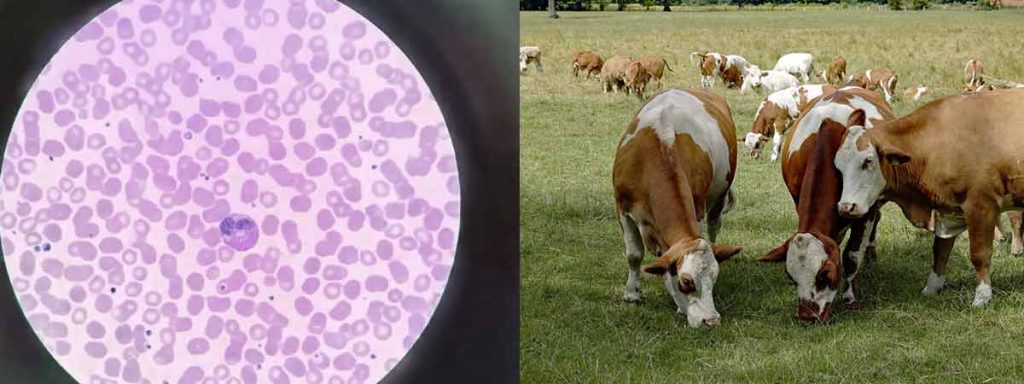
Maintaining a low somatic cell count drives higher milk quality and directly boosts dairy farm profits. Producers who track their SCC with a somatic cell count tester qualify for more bonuses, earning extra income from processors. The table below shows how SCC levels affect both milk production and bonus earnings:
| SCC Level (cells/mL) | Additional Income per Cow ($) |
|---|---|
| 134,000 | 159 |
| 284,000 | 0 |
A farm with consistently low SCC receives higher milk checks and avoids losses linked to elevated cell counts.
Key Takeaways
- Maintaining a low somatic cell count (SCC) qualifies producers for higher milk quality bonuses, boosting overall income.
- Regular use of a somatic cell count test kit helps identify issues early, allowing for timely interventions that keep SCC low.
- Implementing best practices for udder health, such as proper milking routines and clean bedding, reduces the risk of mastitis and lowers SCC.
- Dairy farms with low SCC not only produce more milk but also enjoy better prices and reduced health costs.
- Avoiding common mistakes, like poor mastitis control and inadequate hygiene, is crucial for maintaining low SCC and maximizing bonus opportunities.
What Is Somatic Cell Count?
SCC and Milk Quality
Somatic cell count, or SCC, measures the number of somatic cells in milk. These cells mainly come from the cow’s udder and increase when the udder faces infection or inflammation. SCC serves as a key indicator of milk quality. A healthy cow usually produces milk with less than 100,000 cells per milliliter. When SCC rises, it often signals the presence of harmful bacteria, which can lower food safety and reduce the overall quality of the milk.
| Parameter | Effect of Increased SCC |
|---|---|
| Milk Yield | Decreased |
| True Protein | Increased (0.082%) |
| Nonprotein Nitrogen | Increased (0.006%) |
| Casein | Increased (0.047%) |
| Whey Protein | Increased (0.041%) |
| Fat | Increased (0.11%) |
| Lactose | Decreased (−0.14%) |
| Casein as % of Total Protein | Decreased (−0.96%) |
| Rennet Coagulation Time | Longer with increasing SCC |
| Curd Strength | Weaker with increasing SCC |
Why Low SCC Matters?
A low somatic cell count benefits both the dairy herd and the farm’s bottom line. High SCC links directly to mastitis, which harms milk production and quality. Farms with high SCC often lose hundreds of dollars in just a few months. Poor udder health also affects animal welfare and reduces overall profitability. By keeping SCC low, producers avoid these losses and maintain high milk quality. Lower SCC means less mastitis, better milk, and higher income.
- High SCC leads to:
- Mastitis and reduced milk yield
- Economic losses for the farm
- Poor animal health and welfare
Using a Somatic Cell Count Tester
A somatic cell count tester helps producers monitor SCC quickly and accurately. The process involves collecting a milk sample, sometimes mixing it with a reagent, and then using the device to measure cell levels. Most testers use optical, fluorescent, or electrical impedance technology. Results appear on a screen, often within a minute. This tool gives dairy farmers real-time data to make decisions that keep SCC low and milk quality high.
Tip: Regular use of a somatic cell count tester allows producers to catch problems early and take action before SCC rises.
How Milk Quality Bonus Programs Work?
Bonus Structure for Low SCC
Milk processors and cooperatives use somatic cell count thresholds to determine eligibility for bonus payments. They reward producers who maintain a low somatic cell count with extra income. These programs encourage better milk quality and higher profit for dairy farms.
Most processors set SCC thresholds that producers must meet to qualify for a bonus. The most common threshold falls between 150,000 and 200,000 cells per milliliter. Producers who keep their SCC below this range often receive higher payments. Farms with higher SCC may lose out on bonuses or even face penalties.
- Common SCC thresholds for bonus eligibility:
- 150,000 cells/mL
- 200,000 cells/mL
Processors group payments into different classes based on SCC levels. The table below shows a typical structure:
| Payment Class | SCC Level Implication | Payment Type |
|---|---|---|
| Base | Meets standard | No-benefit group |
| Bonus | Exceeds standard | Gain-benefit group |
| Penalty | Falls below standard | Loss-benefit group |
Bonus programs differ by country. For example, the United States sets a federal legal limit for SCC at 750,000 cells/mL. Wisconsin enforces this limit strictly. Farms that exceed this threshold cannot sell their milk. Repeated violations may result in warnings or suspension of the farm’s milk license. Other countries have different standards and bonus structures:
| Country | SCC Standard (cells/mL) | Bonus/Penalty Structure |
|---|---|---|
| EU Countries | 400,000 | Adjusted for seasonal variations |
| USA | 750,000 | National penalty limits, efforts to reduce to 400,000 |
| Canada | 500,000 | National penalty limits |
| Norway | 115,000 | N/A |
| Argentina | Exceeds international | Private milk standards post-deregulation |
| Brazil | Lower quality standards | Focus on local demand, UHT milk from lower quality milk |
Note: Maintaining a low somatic cell count not only helps producers qualify for bonuses but also protects their ability to sell milk and avoid penalties.
SCC in Milk Pricing

Processors pay more for milk with a low somatic cell count. Lower SCC means higher milk quality, which leads to better prices for producers. As SCC drops, the price paid per hundredweight of milk rises. This direct relationship rewards producers who focus on quality and herd health.
Milk quality bonus programs create a strong incentive for dairy farms to keep SCC low. Producers who achieve this goal see higher profit and more stable income. They also avoid the risk of penalties or loss of market access. By using a somatic cell count tester, farms can monitor their SCC and make quick decisions to protect both quality and profit.
Tip: Farms that invest in regular SCC testing and herd management often see the greatest benefit from milk quality bonus programs.
SCC Thresholds and Bonus Tiers
Common SCC Cutoffs
Milk processors set specific somatic cell count cutoffs to determine bonus eligibility. These thresholds help identify which producers maintain the highest milk quality. Most leading processors use several SCC levels to group payments and penalties. Farms that keep their SCC below 200,000 cells per milliliter often qualify for the best rewards. Some processors set additional tiers at 400,000 or 500,000 cells per milliliter. These cutoffs create clear targets for dairy producers who want to maximize profit.
The table below shows how several major processors structure their SCC bonus and penalty tiers:
| Processor | SCC Level (cells/mL) | Bonus/Penalty (c/litre) |
|---|---|---|
| Town of Monaghan | < 200,000 | No incentive |
| < 400,000 | +0.56 | |
| 400,000 – 500,000 | Base price | |
| > 500,000 | -0.56 | |
| Wexford | < 200,000 | +0.3 |
| 200,000 – 400,000 | Base price | |
| 400,000 – 500,000 | -1 | |
| 500,000 – 600,000 | -1.5 | |
| Dairygold | < 200,000 | +20 points (0.4 c/litre bonus if > 50 pts) |
| < 30,000 | +10 points | |
| 301,000 – 400,000 | -0.25 | |
| Glanbia | < 200,000 | No incentive |
| 400,000 – 500,000 | -1 | |
| > 600,000 | -4 | |
| Lakeland | < 200,000 | +1 |
| 400,000 – 500,000 | Base price | |
| > 600,000 | -2 | |
| Carbery | < 200,000 | +0.4 (0.5 from July) |
| 400,000 – 500,000 | Base price | |
| Kerry | < 200,000 | No incentive (under review) |
| 400,000 – 500,000 | -1 | |
| United Dairies | 151,000 – 300,000 | Base price |
| 101,000 – 150,000 | +0.15 | |
| < 100,000 | +0.3 | |
| Tipperary Co-op | < 200,000 | +0.1 + VAT |
| 200,000 – 400,000 | +0.3 | |
| Centenary Thurles | < 200,000 | +0.2 |
| Connacht Gold | < 250,000 | +0.28 |
| 250,000 – 300,000 | -0.14 |
Processors reward producers who consistently deliver milk with a low somatic cell count. These cutoffs encourage better herd management and higher standards across the industry.
Bonus Amounts by SCC Level
Bonus amounts vary depending on the SCC tier a farm achieves. Producers who maintain the lowest SCC levels receive the highest bonuses. For example, some processors pay up to 0.56 cents per liter extra for SCC below 400,000 cells per milliliter. Others offer smaller bonuses for SCC below 200,000 cells per milliliter. Penalties apply when SCC rises above certain thresholds, reducing the price paid for milk.
A few processors, such as United Dairies, provide a tiered bonus system. Farms with SCC below 100,000 cells per milliliter can earn a bonus of 0.3 cents per liter. Those with SCC between 101,000 and 150,000 cells per milliliter receive 0.15 cents per liter. Farms with SCC above 300,000 cells per milliliter do not receive any bonus.
This structure motivates producers to aim for the lowest possible SCC. The difference in payment between tiers can add up quickly, especially for larger herds. Even a small bonus per liter can mean thousands of dollars in extra income each year.
Real-World Examples
Top-performing dairy farms demonstrate the financial impact of maintaining a low somatic cell count. In the Upper Midwest, farms that receive the maximum bonus average an SCC of 173,000 cells per milliliter. In the Mideast, the average is 179,000 cells per milliliter. These farms consistently qualify for the highest bonus tiers and enjoy greater profit.
| Federal Order | Average SCC (cells/mL) |
|---|---|
| Upper Midwest | 173,000 |
| Mideast | 179,000 |
| Central | 194,000 |
| Southwest | 208,000 |
A farm that produces 1 million liters of milk per year and maintains SCC below 200,000 cells per milliliter could earn an extra $3,000 to $5,600 annually, depending on the processor’s bonus structure. Farms that allow SCC to rise above 400,000 cells per milliliter may lose this bonus and even face penalties. These real-world numbers show how SCC management directly affects milk quality and profit.
Farms that use regular SCC testing and focus on herd health can move into higher bonus tiers. This approach leads to better milk, healthier cows, and stronger financial results.
Steps to Lower SCC and Qualify for Bonuses
Practical Tips for Low SCC
Dairy producers can lower SCC and qualify for more profit by following proven management practices. Clean, dry bedding prevents bacterial growth and reduces infection risk. Consistent milking routines, including pre-dipping and post-dipping teats, help maintain udder health. Regular maintenance of milking equipment prevents injuries that can raise SCC. Reducing stress through proper nutrition and comfortable environments supports cow health. Monthly SCC testing with a somatic cell count tester allows producers to identify high SCC cows early and separate them to prevent the spread of infection. Staff training on milk quality indicators and standard operating procedures ensures everyone follows best practices.
Tip: Accurate record-keeping helps track trends and spot problems before they affect milk quality.
Effective Use of SCC Tester
Routine testing plays a key role in maintaining low scc. By using a somatic cell count tester, producers can detect subclinical mastitis before it becomes a bigger issue. Early detection allows for timely intervention, which keeps SCC below bonus thresholds. Regular testing, especially monthly, helps identify patterns and supports quick decision-making. Herds that use frequent testing often meet quality standards and avoid penalties, leading to higher milk payments.
Avoiding Common Mistakes
Some common mistakes can lead to elevated SCC and loss of bonus eligibility. The table below highlights these pitfalls:
| Common Mistakes Leading to Elevated SCC and Loss of Bonus Eligibility |
|---|
| Inadequate mastitis control programs |
| Poor dry cow management |
| Failure to identify and manage high SCC cows effectively |
| Problems with dry cow management and maternity pens |
| Poor treatment techniques during dry cow therapy |
| Milking hygiene issues and equipment problems |
| Keeping chronically infected cows that spread infections |
Producers who avoid these errors and focus on regular testing, proper hygiene, and herd health can consistently deliver high-quality milk and maximize bonus opportunities.
Conclusion

Low somatic cell count leads to better milk quality and higher bonus income for dairy producers. Regular SCC monitoring supports proactive herd management and helps farmers qualify for premium payments. The table below highlights long-term financial benefits:
| Benefit | Description |
|---|---|
| Higher Milk Purchase Price | Low SCC milk earns 5-10% higher prices and access to premium markets. |
| Reducing Treatment Costs | Early detection lowers mastitis and antibiotic expenses. |
| Increasing Cow Productivity | Cows with low SCC produce up to 10% more milk. |
Key takeaways for maximizing income through SCC management:
- Maintaining low SCC qualifies producers for quality premiums.
- Herds with low SCC produce more milk per cow.
- Effective SCC management reduces health costs and milk wastage.
Regular use of a somatic cell count tester and best practices for udder health help producers achieve these benefits.
FAQ
What Is Considered a Low Somatic Cell Count?
A low somatic cell count usually means fewer than 200,000 cells per milliliter. Many processors set bonus eligibility at or below this level. Farms with lower SCC often receive higher payments.
How Often Should Producers Test Somatic Cell Count?
Most experts recommend monthly testing. Some farms test more often to catch problems early. Regular testing helps producers maintain low SCC and qualify for bonuses.
Can A Somatic Cell Count Tester Detect Mastitis Early?
Yes. A somatic cell count tester can identify subclinical mastitis before visible symptoms appear. Early detection allows for quick treatment and helps prevent SCC from rising.
Do All Milk Processors Offer Bonuses for Low SCC?
Not all processors offer bonuses. Many large cooperatives and processors do reward low SCC, but bonus structures vary. Producers should check with their milk buyer for details.
What Are the Main Benefits of Keeping SCC Low?
Low SCC improves milk quality, increases herd productivity, and reduces treatment costs. Producers also earn higher milk prices and qualify for more quality bonuses.